
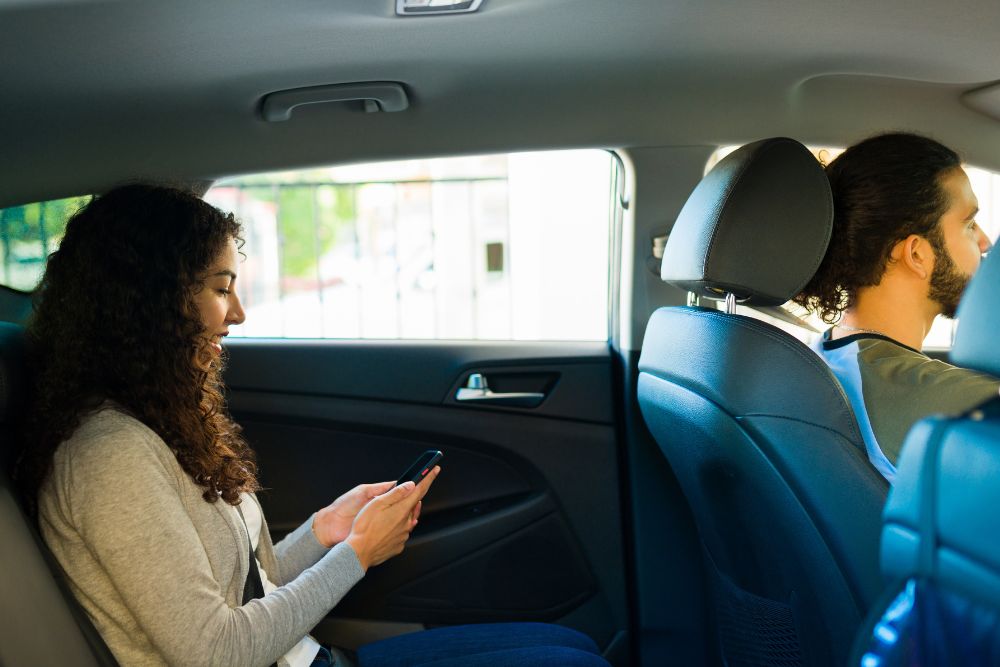
What Should You Do After An Uber Accident In California?
An Uber accident can become confusing almost immediately because the situation often involves more than two drivers and more than one insurance question. A passenger may be unsure whether to deal with Uber, the driver’s personal insurer, or another motorist’s insurance company. A driver may not know which coverage applies depending on whether the app was off, on and waiting for a ride request, or actively carrying a passenger. Even people in another vehicle may not realize at first that rideshare rules can make the claim more complicated than an ordinary traffic collision.
That is why the most important first step is not trying to figure out the entire legal case at the scene. The first priority is safety, medical care, and preserving the facts before they begin to disappear. In California, the right steps after an Uber accident often include calling 911 when appropriate, getting medical attention, documenting the scene, identifying all drivers and vehicles involved, reporting the crash through the Uber app when relevant, and being careful about what you say to insurance companies before you understand how coverage and fault may be evaluated.
This guide explains what to do after an Uber accident in California, why these cases can be more complicated than standard crash claims, what evidence matters most, how insurance questions often arise, and why acting early can make a major difference in protecting both your health and your legal options.
Why Uber Accidents Are More Complicated Than Ordinary Car Accidents
Many car accidents involve a fairly direct insurance question. One driver caused the crash, and the injured person makes a claim against that driver’s policy. Uber accidents are often more layered because rideshare coverage can depend on what the Uber driver was doing at the exact time of the collision. The insurance picture may change depending on whether the driver was logged out of the app, waiting for a trip request, on the way to pick up a rider, or actively transporting a passenger.
That timing issue matters because Uber’s insurance structure is not the same in every phase. In practical terms, that means a crash involving an Uber driver may require more investigation than a normal two-car collision before the correct source of coverage is fully understood.
Start With Safety And Emergency Response
The first thing to do after an Uber accident is make sure everyone is safe and get emergency help if needed. If anyone is hurt, if there is obvious vehicle damage, or if the scene feels dangerous, call 911. Even when injuries do not seem severe right away, a formal response can help protect the people involved and create an early record of the incident.
This is especially important because rideshare crashes often involve passengers who were not in control of either vehicle. If you were a passenger, you may be dealing with pain, shock, confusion, and multiple parties at once. You do not need to solve the liability question at the scene. You do need to prioritize your safety and make sure the collision is handled properly from the beginning.
Get Medical Attention Even If You Think The Injury Is Minor
One of the most common mistakes after any accident is assuming that a delay in pain means there is no real injury. Adrenaline can mask symptoms, and some injuries become more noticeable only after the initial shock wears off. Neck pain, back pain, headaches, dizziness, arm or leg pain, and soft tissue injuries may not feel fully apparent until later that day or the next morning.
Medical care matters for two reasons. First, it protects your health. Second, it creates records that can help connect the crash to the injuries you suffered. In a California personal injury case, those records often become central to proving damages.
Report The Crash To Law Enforcement When Appropriate
If police respond to the scene, cooperate and make sure the basic facts are recorded accurately. If law enforcement does not respond, you should still understand that California has reporting obligations in certain situations. If anyone was injured or killed, or if property damage exceeds the reporting threshold, an SR-1 report must be sent to the DMV within 10 days.
That is an important detail because many people assume that if police came to the scene or if the insurance companies know about the crash, no further state reporting step is needed. That assumption can be costly. The DMV treats the SR-1 as a separate obligation in qualifying cases.
Identify Everyone Involved And Confirm That Uber Was Involved
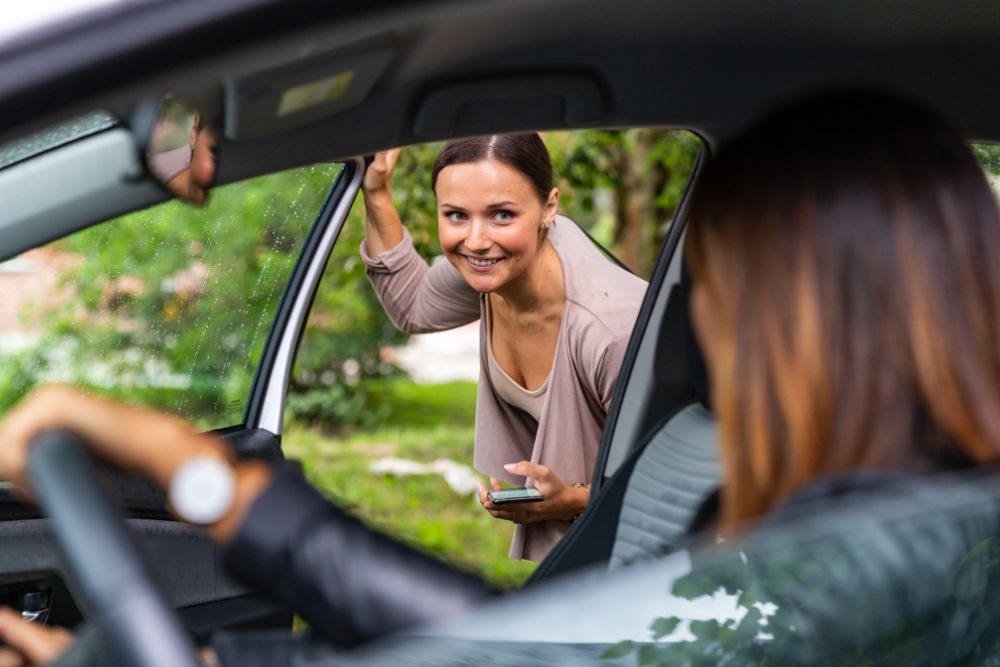
After an Uber accident, you should try to gather information from every driver involved, not just the Uber driver. That includes names, phone numbers, insurance details, license plate numbers, vehicle descriptions, and basic identifying information. If you were a passenger, also document that you were in an Uber ride and capture any trip-related details visible in the app, such as the driver’s name, ride status, trip time, and screenshots showing the ride in progress if possible.
This matters because one of the key questions in an Uber accident case is whether the driver was actively engaged in the rideshare trip at the time of the collision. The sooner that evidence is preserved, the easier it is to confirm that the crash involved Uber in a legally meaningful way rather than only the driver’s personal vehicle use.
Take Photos Before The Evidence Changes
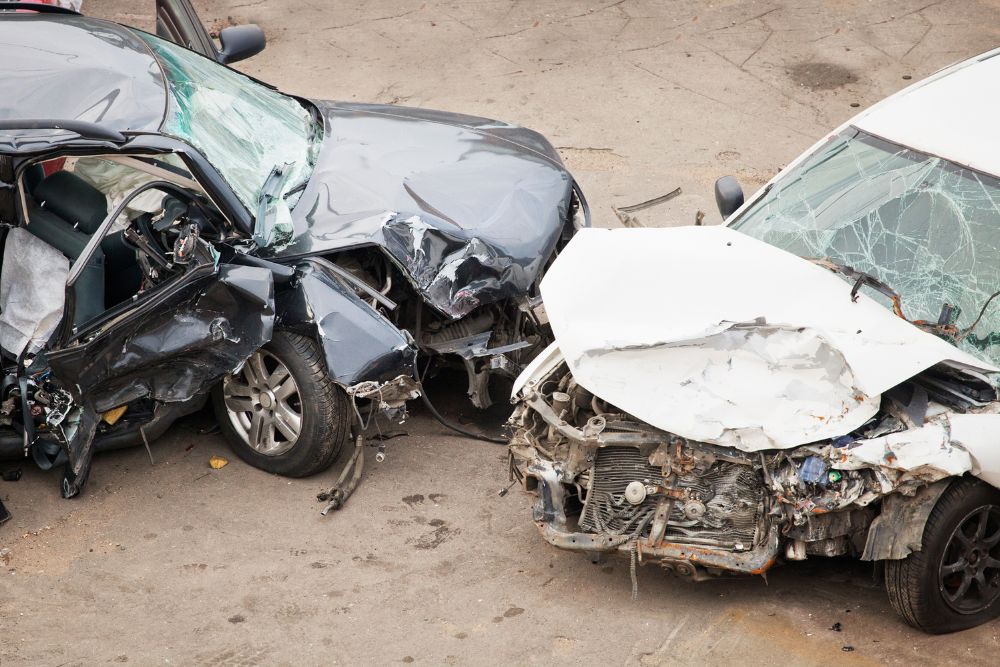
As with other motor vehicle collisions, evidence can begin disappearing immediately. Vehicles get moved. Debris gets cleared. Weather changes the scene. People leave. Small details that felt obvious in the moment may be forgotten within hours. If you are physically able, take photographs of the vehicles, visible damage, license plates, roadway position, traffic controls, skid marks, debris, weather conditions, and any visible injuries.
If you were a passenger, photographs and screenshots are especially important because they help connect the physical crash scene to the rideshare context. A screenshot showing the active Uber trip, driver information, pickup and drop-off details, or post-crash communication may later help establish which coverage period applied.
Report The Crash Through Uber
If the collision involved an Uber trip, the crash should also be reported through Uber. Reporting through the platform helps create an internal record that the crash happened during an Uber-related trip and may become relevant later when coverage questions are reviewed.
This step does not replace a legal claim, a police report, or medical treatment. It is simply one of the practical things that should be done early so the rideshare company has notice of the incident.
Do Not Assume Uber Insurance Automatically Pays Everything
Many people hear that Uber carries major insurance coverage and assume the claim should be simple after that. It usually is not. Different levels of liability coverage may apply depending on the driver’s status in the app, and California rideshare cases often involve careful analysis of who caused the crash and which coverage tier was active.
For example, if the Uber driver was transporting a passenger or on the way to a pickup, coverage analysis may look very different than if the driver had the app on but had not yet accepted a ride. If another driver caused the accident, that motorist’s insurance may still be central to the case even though an Uber vehicle was involved. This is one reason these claims often require more investigation than people expect.
Be Careful What You Say To Insurance Companies
After a crash, insurance adjusters may contact you quickly. That can happen before you fully understand your injuries, before fault is clear, and before you know which policy will ultimately matter most. Be careful. Do not guess about speed, distance, fault, or the seriousness of your injuries. Do not minimize what happened just because you are still trying to be polite or cooperative.
The safest approach is usually to stick to basic verified facts and avoid recorded statements or broad case discussions until you understand the situation better. Uber accident claims can involve overlapping coverage issues, and a rushed statement given too early can make later correction more difficult.
Passengers Usually Have A Stronger Liability Position Than Drivers
If you were an Uber passenger, one important practical point is that you are often in a different liability position than either driver. Passengers usually did not cause the crash. The main dispute is more often about which driver was at fault and which insurance applies, not whether the passenger shares blame for the collision itself.
That does not mean compensation is automatic or that every claim resolves quickly. It means passengers are often in a stronger starting position when pursuing an injury claim because the accident was happening around them rather than because of something they did. Preserving evidence and getting prompt medical care are still essential, but the liability posture is often different.
Uber Drivers Also Need To Think About Coverage Timing
If you were driving for Uber at the time of the crash, it becomes especially important to identify what phase of the ride process you were in. Coverage may differ when the app is on and waiting for a request compared with when the driver is on an active trip. Drivers may also have separate issues involving their own vehicle damage, deductibles, and how their personal policy interacts with rideshare-related coverage.
This is one reason Uber drivers should preserve app screenshots, trip history, and any digital proof showing the exact status of the ride when the collision happened. In a rideshare accident, timing is not a small detail. It can affect the entire insurance analysis.
Keep Every Record Related To The Crash
Evidence in an Uber accident case often goes beyond the usual photos and medical bills. Keep ride receipts, app screenshots, police report information, insurer emails, text messages, repair estimates, medical paperwork, and documentation showing missed work or disrupted income. If the crash interrupted your ability to work, attend appointments, or function normally, write those effects down while they are fresh.
That is especially important in rideshare cases because they can involve multiple insurers, multiple parties, and disputes about app status or timing that do not arise in ordinary crashes.
Know That Deadlines Still Matter
An Uber accident does not get extra time simply because the insurance issues are complicated. In California, the general deadline to sue for personal injury is usually two years from the injury. Property damage claims generally have a three-year deadline. There can be exceptions in certain cases, especially if a government entity is involved, but the broader lesson is that waiting too long can damage your claim or eliminate it entirely.
This matters because people sometimes delay after rideshare crashes while trying to figure out whether Uber, the driver, or another insurer will do the right thing. Delay can cost valuable evidence and shrink your legal options at the same time.
Rideshare Cases Often Need Early Legal Review
Not every accident requires a lawyer, but Uber accidents often benefit from early legal review because the coverage and liability questions can be more layered than usual. A lawyer can help identify which parties may be responsible, which insurers should be notified, what evidence needs to be preserved, and whether your medical and financial losses are being documented in a way that supports the claim properly.
This is especially important if the injuries are significant, multiple vehicles are involved, there is a dispute about who caused the crash, or the claim begins to stall while the insurers point at one another.
What The Right First Steps Usually Look Like
If you want the most practical answer possible, here it is. After an Uber accident in California, get to safety, call 911 if needed, seek medical evaluation, gather driver and rideshare information, photograph the scene, report the crash to Uber if the ride was active, comply with California DMV reporting rules if the crash qualifies, preserve every record related to the collision, and be careful with early insurance communications. Those steps do not resolve the whole case, but they give you a much stronger position than trying to reconstruct everything later.
Uber accidents can feel confusing because several systems overlap at once: the crash itself, the rideshare app, multiple insurance layers, and California reporting rules. The sooner you protect the evidence and your health, the easier it becomes to figure out what happened and what legal options may be available.
Speak With Russell And Lazarus About Your Uber Accident Claim
If you were injured in an Uber accident in California, Russell & Lazarus APC handles personal injury claims involving motor vehicle accidents and understands how liability and insurance issues can become more complex when a rideshare company is involved. Early legal guidance can help protect evidence, clarify coverage questions, and position the claim more effectively from the start.
To discuss your situation, call (949) 851-0222 or visit Schedule A Free Case Review.