Motorcycle Accidents
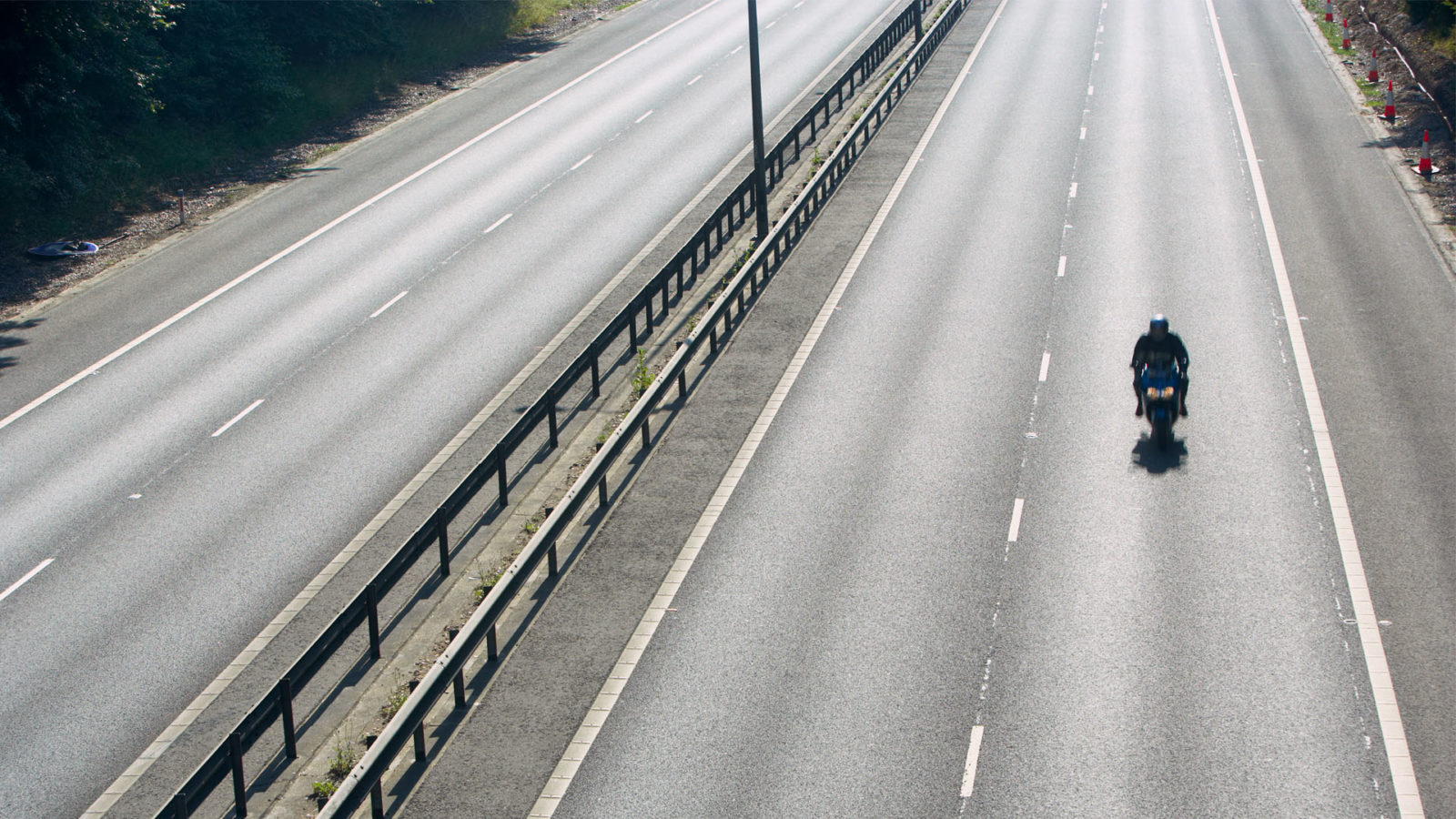
Motorcycle accidents can result in serious and sometimes life-changing injuries because riders have far less physical protection than occupants of passenger vehicles. If you were injured in an Orange County motorcycle accident, understanding your rights, California motorcycle laws, insurance issues, and the steps to take after a crash can help you make informed decisions about your recovery and potential injury claim.
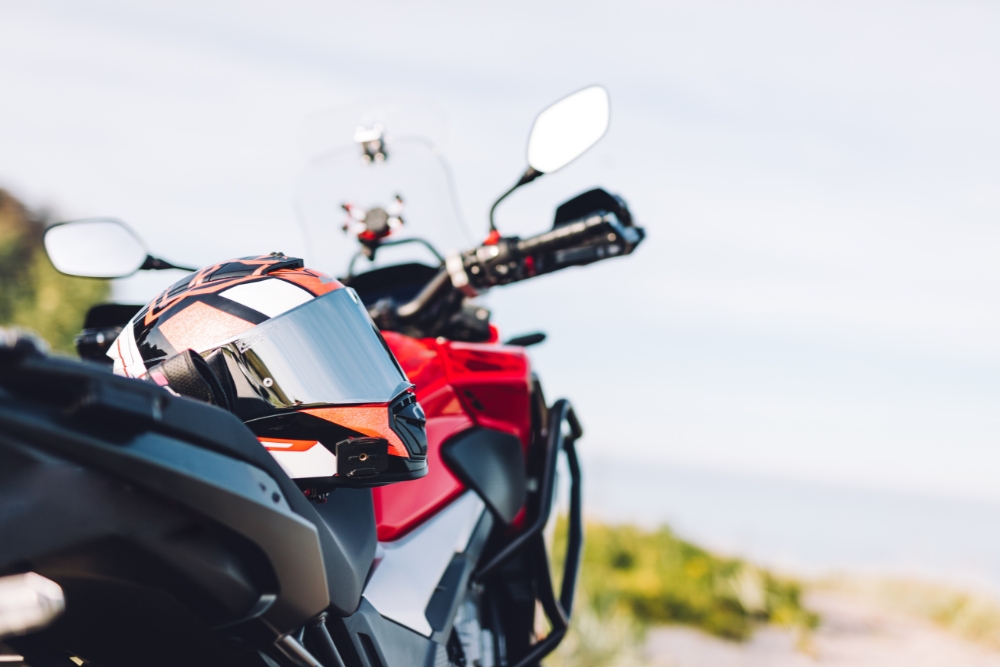
The Orange County motorcycle accident lawyers at Russell & Lazarus APC have compiled answers to common questions injured riders and their families ask following motorcycle collisions. These accidents can occur throughout Orange County on major freeways such as I-5, I-405, SR-22, SR-55, SR-57, SR-73, and SR-91, as well as heavily traveled local streets in Newport Beach, Irvine, Costa Mesa, Huntington Beach, Santa Ana, Anaheim, Fullerton, Mission Viejo, Laguna Niguel, and surrounding communities.
If you have questions about a motorcycle collision or injury claim, explore the motorcycle accident resources below or contact Russell & Lazarus APC to discuss your situation with an experienced Orange County personal injury attorney.
Orange County Motorcycle Accident Questions
- How can I make myself more visible and reduce the risk of an Orange County motorcycle accident?
- Can I hold a driver responsible if they cut me off and caused my motorcycle accident?
- Can I recover compensation if I was injured while lane splitting in California?
- How can I increase motorcycle visibility in busy Orange County traffic?
- What are the most common causes of motorcycle accidents in California?
- Are there motorcycle handlebar height restrictions in California?
- Can I pursue compensation after a motorcycle rear-end collision in California?
- What are California motorcycle and helmet laws?
- What compensation may be available after a motorcycle accident?
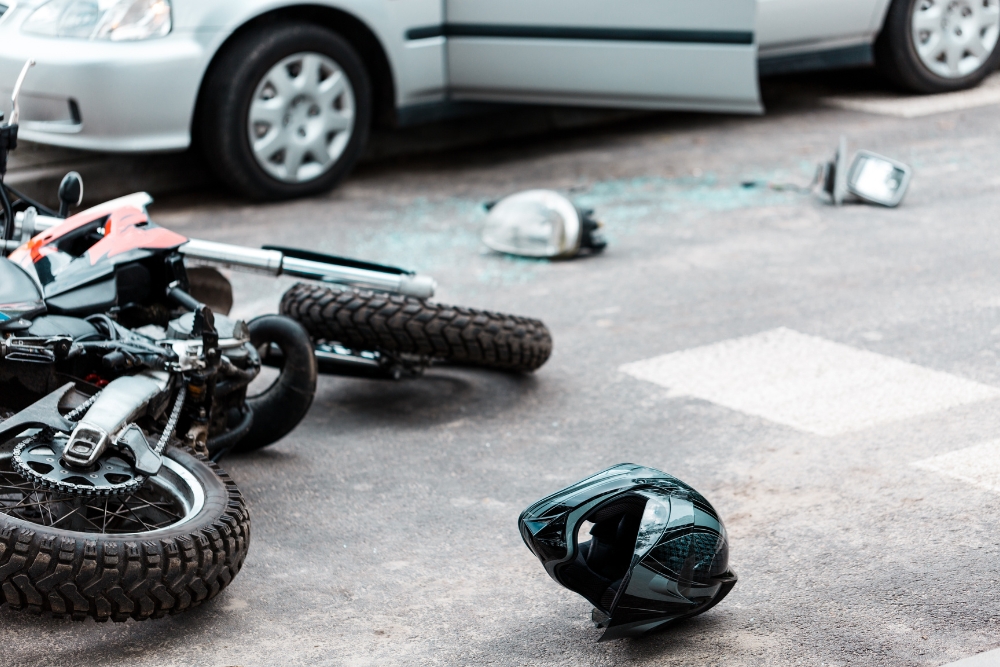
What Should I Do After a Motorcycle Accident in Orange County?
Your first priority after a motorcycle accident should be your health and safety. Call 911 when emergency assistance is necessary and obtain medical care for your injuries. Motorcycle injuries are not always immediately apparent, particularly after the adrenaline and shock associated with a serious collision.
If you are physically able and it is safe to do so, gather information from the accident scene. Take photographs or video of your motorcycle, the other vehicles, vehicle damage, skid marks, debris, traffic signals, roadway conditions, nearby businesses, and visible injuries. Obtain the names, contact information, driver’s license information, and insurance information of the other drivers involved. If witnesses saw the collision, obtain their contact information as well.
Write down what you remember about the accident as soon as reasonably possible. Details involving vehicle positions, traffic signals, lane changes, speed, visibility, and statements made by witnesses or other drivers may become important later.
California also requires drivers to submit an SR-1 Report of Traffic Accident to the Department of Motor Vehicles within 10 days when a collision results in an injury or death or more than $1,000 in property damage. This DMV reporting requirement is separate from a police, CHP, or insurance report.
Should I Talk to the Insurance Company After a Motorcycle Accident?
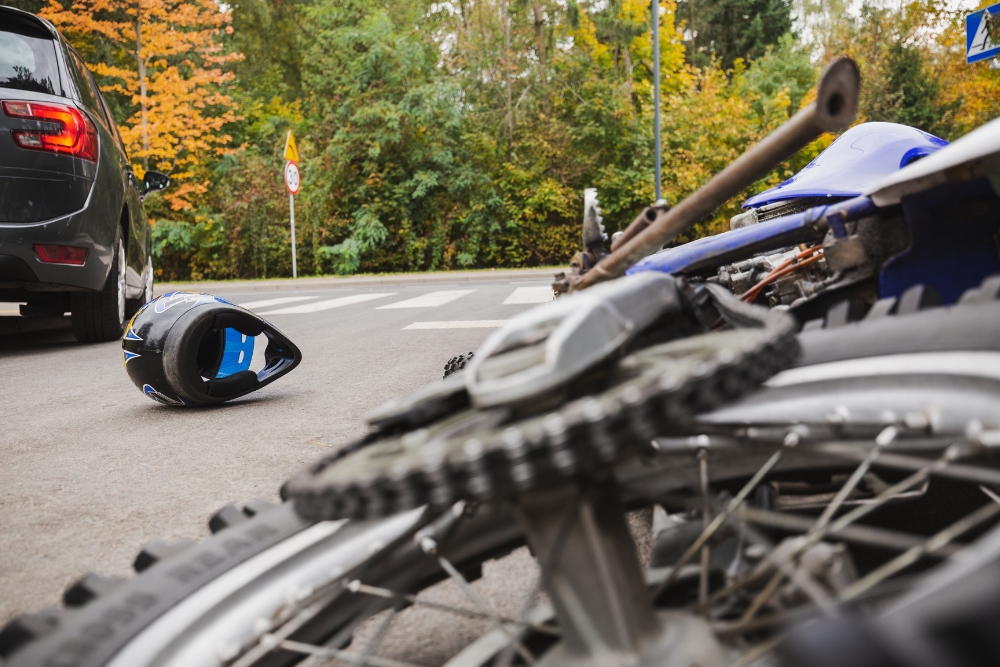
You may need to provide your own insurance company with information required under your policy. However, you should be cautious when speaking with an insurance carrier representing another driver.
The other driver’s insurance adjuster may request a recorded statement, medical authorization, photographs, medical records, or other information. The insurer may also ask questions concerning your speed, riding experience, protective equipment, lane position, or whether you were lane splitting when the accident occurred.
Before providing a detailed recorded statement or signing documents for another party’s insurance company, consider discussing the claim with an experienced Orange County motorcycle accident lawyer. An attorney can evaluate the accident, communicate with insurers, and help prevent incomplete or inaccurate information from being used to dispute your claim.
Can I Recover Compensation If I Was Not Wearing a Helmet?
California law generally requires motorcycle drivers and passengers to wear a compliant safety helmet while riding on California highways. However, failure to wear a helmet does not automatically mean another driver is relieved of responsibility for causing an accident.
For example, if another motorist made an unsafe left turn directly in front of a motorcycle, the driver’s conduct may still be relevant to determining responsibility for the collision. The insurance company may nevertheless argue that the absence of a helmet contributed to particular injuries, especially when the claim involves a head or brain injury.
How helmet use affects a specific motorcycle accident claim depends on the facts, medical evidence, nature of the injuries, and circumstances surrounding the collision.
Is Lane Splitting Legal in California?
California Vehicle Code Section 21658.1 defines lane splitting as operating a two-wheeled motorcycle between rows of stopped or moving vehicles in the same lane. The California Highway Patrol also advises motorists that motorcycle lane splitting is legal in California when performed safely and prudently.
Being involved in an accident while lane splitting does not automatically determine who was responsible for the collision. The investigation may consider the speed of the motorcycle, surrounding traffic, vehicle movements, lane positions, visibility, whether a driver changed lanes unexpectedly, and whether either party acted negligently.
If you were injured while lane splitting, an attorney can review the evidence to determine how California law may apply to the accident.
What Are Common Causes of Motorcycle Accidents in Orange County?
Many motorcycle collisions occur because a passenger vehicle driver fails to notice a rider or misjudges the motorcycle’s speed or distance. Intersections, freeway lane changes, congested traffic, and vehicles entering or exiting driveways can create particularly dangerous situations for motorcyclists.
Common causes of Orange County motorcycle accidents include:
- Drivers making unsafe left turns in front of motorcycles;
- Unsafe lane changes;
- Failure to check blind spots;
- Distracted driving;
- Texting or mobile phone use while driving;
- Speeding;
- Following a motorcycle too closely;
- Failure to yield the right-of-way;
- Drivers opening vehicle doors into a rider’s path;
- Driving under the influence of alcohol or drugs;
- Unsafe intersection movements;
- Sudden stops or turns;
- Dangerous roadway conditions;
- Defective motorcycle components; and
- Other negligent or reckless driving behavior.
What Injuries Are Common in Motorcycle Accidents?
Motorcycle riders are directly exposed to the force of a collision and may be thrown from the motorcycle or trapped between vehicles and the roadway. As a result, motorcycle crashes can cause injuries that require extensive medical treatment and rehabilitation.
Common motorcycle accident injuries can include:
- Traumatic brain injuries;
- Concussions;
- Spinal cord injuries;
- Neck and back injuries;
- Herniated discs;
- Broken arms and legs;
- Shoulder injuries;
- Knee and ankle injuries;
- Internal organ injuries;
- Road rash and severe abrasions;
- Nerve damage;
- Facial and dental injuries;
- Amputations; and
- Other catastrophic injuries.
The long-term effect of an injury should be considered when evaluating a motorcycle accident claim. A rider may need future surgery, rehabilitation, medication, assistive devices, modifications to a home or vehicle, or continuing medical care.
What Compensation Can I Recover After a Motorcycle Accident?
If another person’s negligence caused your motorcycle accident, you may be entitled to pursue compensation for economic and non-economic losses associated with your injuries. The damages available depend on the specific circumstances of your case.
Potential damages may include:
- Emergency medical expenses;
- Hospital bills;
- Surgical expenses;
- Physical therapy and rehabilitation;
- Prescription medications;
- Future medical treatment;
- Past lost wages;
- Loss of future earning capacity;
- Motorcycle repair or replacement costs;
- Damage to riding equipment and other property;
- Pain and suffering;
- Emotional distress; and
- Loss of enjoyment of life.
The value of an Orange County motorcycle accident claim depends on factors such as the severity of the injuries, duration of medical treatment, long-term prognosis, lost income, evidence of fault, available insurance coverage, and the effect the injuries have on the rider’s daily life.
Why Should I Be Careful About an Early Insurance Settlement?
An insurance company may make a settlement offer before you know the complete extent of your injuries. Accepting an offer and signing a release can potentially end your ability to seek additional compensation from the released parties, even if your condition later becomes more serious than expected.
Before evaluating a settlement, it is important to understand your diagnosis, anticipated future treatment, time away from work, possible permanent limitations, property losses, and other consequences of the accident.
An experienced Orange County motorcycle accident attorney can review the evidence and damages before settlement negotiations and help determine whether an offer adequately addresses the losses associated with the accident.
Why Hire an Orange County Motorcycle Accident Lawyer?
Motorcycle accident claims can involve disputed liability, serious injuries, conflicting witness accounts, accident reconstruction issues, and insurance company arguments about rider behavior. An attorney can conduct an independent investigation and build the claim around evidence rather than assumptions about motorcycle riders.
A motorcycle accident lawyer may assist by obtaining police or California Highway Patrol reports, interviewing witnesses, gathering photographs and surveillance footage, reviewing medical records, analyzing vehicle damage, preserving electronic evidence, communicating with insurance companies, documenting lost income, calculating damages, negotiating a settlement, and filing a lawsuit when necessary.
Russell & Lazarus APC represents motorcycle accident victims throughout Orange County, including Newport Beach, Irvine, Costa Mesa, Huntington Beach, Santa Ana, Anaheim, Anaheim Hills, Fullerton, Brea, Buena Park, Cypress, Dana Point, Fountain Valley, Garden Grove, Laguna Beach, Laguna Hills, Laguna Niguel, Lake Forest, Mission Viejo, Orange, Rancho Santa Margarita, San Clemente, San Juan Capistrano, Seal Beach, Tustin, Westminster, Yorba Linda, and surrounding communities.
FAQs
1. What should I do immediately after a motorcycle accident in Orange County?
Seek medical attention first and call 911 when necessary. If you can safely do so, photograph the accident scene, motorcycle, other vehicles, roadway conditions, traffic signals, and visible injuries. Exchange identification and insurance information with the other driver and obtain contact information from witnesses. Preserve your damaged motorcycle and riding equipment because they may become important evidence.
2. Do I have to report a motorcycle accident to the California DMV?
California generally requires an SR-1 accident report to be submitted to the DMV within 10 days when anyone is injured or killed or when the collision causes more than $1,000 in property damage. The SR-1 requirement applies regardless of who caused the accident and is separate from reports made to law enforcement or an insurance company.
3. Is lane splitting legal for motorcycles in Orange County?
Yes. California law defines and recognizes motorcycle lane splitting. However, whether a rider or another driver was negligent in a particular collision depends on how the accident occurred. Speed, traffic conditions, vehicle movements, visibility, lane changes, and other circumstances may all be considered when determining responsibility.
4. Can I recover compensation if I was lane splitting when the accident happened?
Potentially. Being involved in a collision while lane splitting does not automatically prevent a rider from pursuing an injury claim. If another driver made an unsafe lane change, failed to check a blind spot, or otherwise caused the crash, that driver’s conduct may support a claim. Responsibility must be determined from the specific evidence surrounding the accident.
5. Does California require motorcycle riders to wear helmets?
California law generally requires motorcycle drivers and passengers to wear compliant safety helmets while riding on highways. Not wearing a helmet does not automatically eliminate an injury claim against a negligent driver, although helmet use may become an issue when determining whether the absence of a helmet contributed to particular injuries.
6. Who can be held responsible for a motorcycle accident?
Depending on the circumstances, a negligent driver, commercial vehicle operator, employer, vehicle owner, motorcycle or component manufacturer, governmental entity, or another responsible party may potentially be involved in a motorcycle accident claim. Some crashes involve more than one responsible party.
7. How long do I have to file a motorcycle accident lawsuit in California?
California Code of Civil Procedure Section 335.1 generally provides a two-year period for lawsuits involving personal injury or death caused by another person’s wrongful act or negligence. However, shorter deadlines and special procedures may apply in certain cases, including claims involving government entities. Because exceptions can affect the deadline, it is important to have the specific accident evaluated promptly.
8. What if the driver who hit my motorcycle was uninsured?
If an at-fault driver has no insurance or insufficient insurance, your own motorcycle insurance policy may provide uninsured or underinsured motorist coverage if that coverage applies to your policy and accident. An attorney can review the available insurance policies and determine which potential sources of compensation may apply.
9. What evidence can help prove an Orange County motorcycle accident claim?
Useful evidence may include police or CHP reports, photographs, video footage, nearby surveillance recordings, witness statements, motorcycle and vehicle damage, helmet and riding gear damage, medical records, traffic-camera information when available, electronic vehicle information, and physical evidence from the accident scene. Preserving evidence quickly can be important because some information may disappear or be overwritten.
10. How much is an Orange County motorcycle accident case worth?
There is no standard amount for a motorcycle accident claim. The potential value depends on the severity of the injuries, medical expenses, future treatment, lost earnings, permanent limitations, pain and suffering, property damage, evidence establishing liability, and available insurance coverage. A serious injury involving permanent disability will generally require a different evaluation than an accident involving injuries that resolve quickly.
Speak With an Orange County Motorcycle Accident Lawyer
After a serious motorcycle accident, physical evidence can disappear, surveillance footage may be overwritten, vehicles may be repaired, and witnesses’ memories can fade. Beginning an investigation early can help preserve information necessary to determine how the collision occurred and who may be responsible.
If you or a loved one was injured in a motorcycle accident in Orange County, contact Russell & Lazarus APC or call (877) 789-4878 to discuss your accident and legal options with an experienced Orange County motorcycle accident attorney.
This information is provided for general informational purposes only and does not constitute legal advice; deadlines, liability, damages, and available legal options depend on the specific facts and circumstances of each case.



Locations
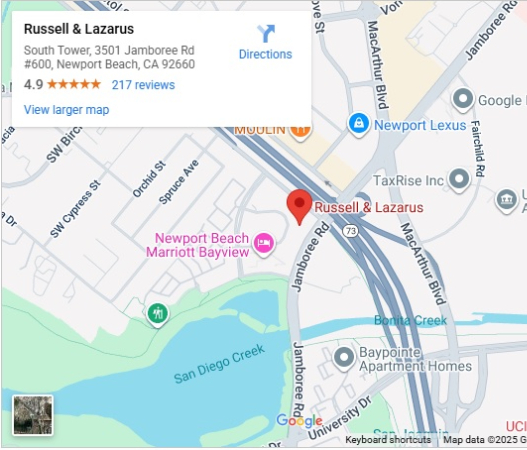
Phone: (949) 851-0222
Toll-Free: (877) 789-4878
South Tower, 3501 Jamboree Rd #600,
Newport Beach, CA 92660
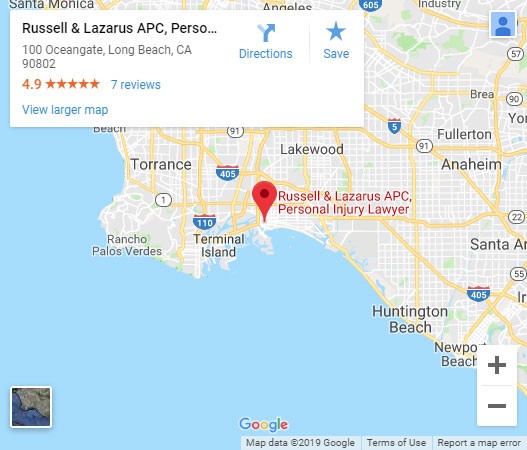
Phone: (951) 485-4000
Toll-Free: (877) 789-4878
Grandville Executive Suites
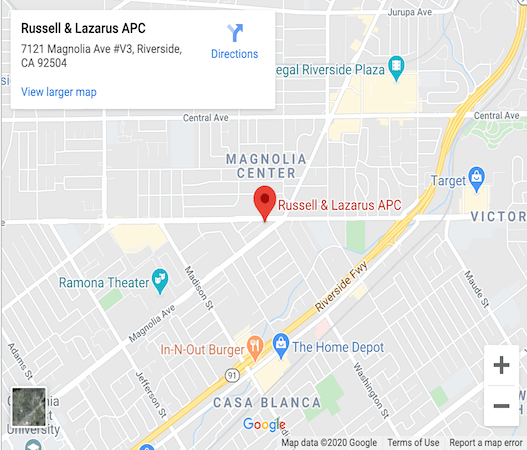
7121 Magnolia Ave., #V3
Riverside, CA 92504
Phone: (949) 426-7299
Toll-Free: (877) 789-4878
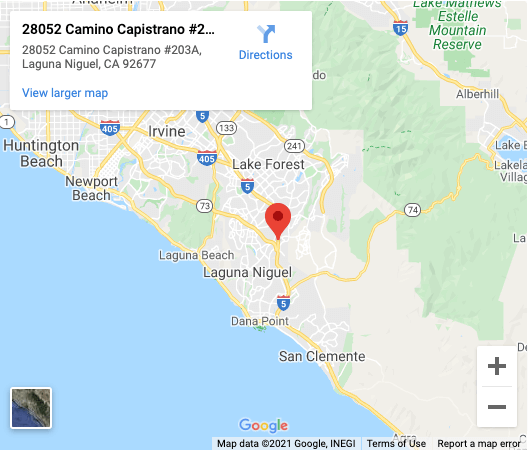
28052 Camino Capistrano, Suite 203A
Laguna Niguel, CA 92677
Phone: (949) 309-0990
Toll-Free: (877) 789-4878
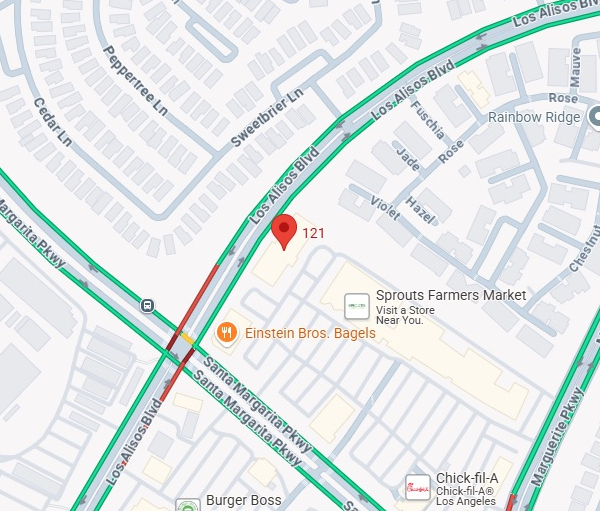
27725 Santa Margarita Parkway, Suite 121 Mission Viejo, CA 92691