FAQs

After a serious accident, injured people and their families often have many questions about what happens next. You may be wondering who is responsible, whether insurance will cover your losses, how medical bills will be paid, how long a personal injury claim may take, or whether you should speak with an attorney before dealing with an insurance company.
Russell & Lazarus APC has prepared this Personal Injury Frequently Asked Questions resource to help people throughout Orange County, San Diego County, and Southern California better understand the personal injury claims process. The information below addresses common questions involving car accidents, truck accidents, motorcycle crashes, pedestrian injuries, brain injuries, dog bites, slip and fall accidents, insurance claims, medical expenses, compensation, and other issues that may arise after an accident.
Every personal injury case is different. The circumstances of the accident, available evidence, insurance coverage, injuries, medical treatment, financial losses, and California law can all affect how a claim is handled. If you have been injured because of another person’s or company’s negligence, speaking with an experienced personal injury attorney can help you understand the options available based on your specific circumstances.
Personal Injury Frequently Asked Questions
What Is a Personal Injury Case?
A personal injury case generally arises when a person suffers physical, emotional, or financial harm because another individual, business, property owner, employer, manufacturer, or other party may be legally responsible for causing the injury.
Many personal injury claims are based on negligence. Negligence generally involves determining whether a person or organization failed to use reasonable care under the circumstances and whether that failure contributed to another person’s injuries.
Common examples of personal injury cases include motor vehicle collisions, pedestrian accidents, unsafe property conditions, dog bites, defective products, workplace-related third-party accidents, and other incidents in which preventable conduct results in injury.
Establishing a successful personal injury claim typically requires evidence concerning how the incident occurred, who may have been responsible, the nature and extent of the injuries, and the damages resulting from those injuries.
What Should I Do After an Accident?
Your health should be the first priority after an accident. Seek appropriate medical attention, particularly when you have significant pain, head trauma, dizziness, weakness, numbness, loss of consciousness, difficulty breathing, or other potentially serious symptoms.
When circumstances allow, it can also be helpful to preserve information about the accident. This may include photographs or video of the scene, vehicle damage, dangerous property conditions, visible injuries, traffic signs, skid marks, debris, and other relevant evidence.
Obtain the names and contact information of witnesses when possible. In a motor vehicle collision, exchange driver and insurance information and determine whether a police or other official accident report will be prepared.
Keep copies of medical records, bills, repair estimates, insurance correspondence, photographs, wage information, receipts, and other documents related to your injuries and financial losses. Avoid assuming that an insurance company already has all of the information necessary to evaluate your claim.
How Do I Know if I Have a Personal Injury Case?
Whether you have a viable personal injury claim depends on the specific facts. An attorney will generally investigate how the accident happened, whether another party owed you a legal duty, whether that duty may have been breached, whether the breach contributed to your injuries, and what damages resulted.
Evidence may include police reports, photographs, witness statements, surveillance footage, medical records, vehicle information, electronic data, property maintenance records, employment documents, insurance policies, expert evaluations, and other materials depending on the type of accident.
You should not assume that you do not have a case simply because responsibility is being disputed. Likewise, the fact that an accident occurred does not automatically mean another party is legally responsible. A careful investigation is often necessary before liability can be evaluated.
What Are the Stages of a Personal Injury Claim?
The personal injury process may vary depending on the accident, injuries, insurance companies, disputed issues, and whether litigation becomes necessary. Generally, the process may include investigating the accident, gathering evidence, documenting injuries and damages, identifying insurance coverage, communicating with insurers, evaluating settlement options, filing a lawsuit when appropriate, conducting discovery, participating in negotiations or mediation, and potentially proceeding to trial.
The following video provides additional information about stages that a personal injury attorney may address during a claim.
You can also review additional educational materials in the Russell & Lazarus APC personal injury video FAQs.
What Compensation May Be Available in a Personal Injury Case?
The damages that may be available depend on the facts of the case and the losses caused by the injury. Personal injury compensation is generally intended to address legally recoverable losses rather than provide an automatic predetermined payment.
Potential economic damages may include:
- Past medical expenses
- Reasonably anticipated future medical expenses
- Lost wages
- Loss of future earning capacity
- Property damage
- Rehabilitation expenses
- Prescription and medical equipment costs
- Transportation expenses related to necessary medical treatment
- Other documented out-of-pocket losses caused by the accident
Depending on the circumstances, non-economic damages may include compensation for pain, suffering, inconvenience, emotional distress, physical impairment, disfigurement, and loss of enjoyment of life.
Punitive damages involve a different legal standard and are not available simply because an accident caused serious injuries. Whether punitive damages can be pursued depends on the defendant’s conduct and the applicable California law.
How Much Is My Personal Injury Case Worth?
There is no reliable formula that can determine the value of every personal injury case. Two accidents that appear similar initially can ultimately involve very different injuries, insurance coverage, liability issues, medical treatment, future limitations, wage losses, and other damages.
Factors that may affect the evaluation of a claim include the severity and duration of the injuries, medical treatment, prognosis, permanent impairment, effect on employment, future medical needs, pain and suffering, available evidence, comparative fault issues, insurance policy limits, and the parties that may be legally responsible.
An attorney may need time to obtain medical records, investigate the accident, understand the progression of the injuries, identify insurance coverage, and calculate financial losses before providing a meaningful assessment of the claim.
Be cautious of anyone who promises a specific settlement amount before the facts, medical evidence, insurance coverage, and liability issues have been thoroughly reviewed.
What if I Was Partially Responsible for the Accident?
California follows comparative fault principles. This means that being partially responsible for an accident does not necessarily prevent an injured person from pursuing a claim against another responsible party.
If an injured person’s own negligence contributed to the harm, recoverable damages may generally be reduced according to the percentage of responsibility attributed to that person.
For example, if legally recoverable damages were determined to be $100,000 and the injured person were found 25 percent responsible for causing the harm, the recovery could potentially be reduced to reflect that percentage of fault.
Fault is frequently disputed by insurance companies, particularly in traffic collisions and premises liability cases. Statements made shortly after an accident can therefore become important evidence. Avoid guessing about speed, distances, visibility, or responsibility when you do not know the answer.
Why Should I Consider a Personal Injury Lawyer When Insurance Companies Are Involved?
An insurance company may investigate and pay covered claims, but the insurance company’s interests are not necessarily the same as the injured person’s interests. Insurance adjusters evaluate liability, damages, policy coverage, medical treatment, and other factors before determining what the insurer believes should be paid.
A personal injury lawyer can independently investigate the accident, preserve evidence, identify potentially responsible parties, review insurance coverage, document damages, communicate with insurers, address disputed liability, evaluate settlement proposals, and file a lawsuit when appropriate.
Legal representation can be particularly important when injuries are serious, future treatment may be required, liability is disputed, multiple insurance policies are involved, a commercial vehicle caused the crash, or an insurance company questions the relationship between the accident and the injuries.
Car Accident Questions
What Should I Know About a California Car Accident Claim?
Car accident claims may involve much more than repairing a damaged vehicle. Depending on the collision, injured occupants may experience neck and back injuries, fractures, traumatic brain injuries, shoulder injuries, internal injuries, soft-tissue injuries, or other conditions requiring ongoing treatment.
Important evidence can include photographs, police reports, witness information, medical records, vehicle damage, insurance information, traffic-camera footage, dashcam recordings, and electronic vehicle data.
Insurance coverage can also become complicated when multiple vehicles are involved or when the at-fault driver has insufficient insurance.
For detailed answers concerning insurance claims, liability, medical treatment, accident evidence, and other issues, visit the Car Accident FAQs.
Truck Accident Questions
Are Truck Accident Claims Different From Regular Car Accident Claims?
Commercial truck accidents can present additional legal and investigative issues because multiple individuals or companies may potentially be involved. Depending on the circumstances, responsibility could involve the commercial driver, trucking company, vehicle owner, maintenance contractor, cargo-loading company, parts manufacturer, or another party.
Evidence may include driver qualification records, hours-of-service information, electronic logging device records, maintenance documents, inspection reports, dispatch information, electronic vehicle data, cargo documentation, photographs, and company safety records.
Because commercial trucking evidence may be controlled by different companies and electronic information may not be retained indefinitely, early investigation can be important.
Learn more about these cases in the firm’s Truck Accident FAQs.
Motorcycle Accident Questions
What Makes a Motorcycle Injury Claim Different?
Motorcyclists have significantly less physical protection than occupants of passenger vehicles. As a result, even a collision occurring at a relatively moderate speed can lead to fractures, orthopedic injuries, road rash, spinal injuries, traumatic brain injuries, or other serious harm.
Motorcycle claims can also involve disputes regarding visibility, lane positioning, vehicle turning movements, speed, road conditions, and comparative responsibility. Photographs, witness statements, helmet and protective-equipment evidence, traffic-camera footage, vehicle damage, and accident reconstruction may become important depending on the collision.
For answers to common motorcycle injury questions, review the Motorcycle Accident FAQs.
Pedestrian Accident Questions
What Should an Injured Pedestrian Know After Being Hit by a Vehicle?
Pedestrians can suffer severe injuries because they have virtually no physical protection when struck by a passenger vehicle, SUV, motorcycle, or commercial truck.
A pedestrian accident investigation may examine driver attention, speed, traffic signals, crosswalk markings, lighting, visibility, roadway design, turning movements, cellphone use, witness observations, and available surveillance or traffic-camera footage.
Pedestrian cases may also require careful analysis of insurance coverage because the injured person was not occupying a vehicle when the collision occurred.
Additional information is available in the Pedestrian Accident FAQs.
Brain Injury Questions
Can Someone Have a Brain Injury Without Losing Consciousness?
Yes. A person does not necessarily have to lose consciousness to experience a traumatic brain injury. Symptoms can vary significantly depending on the nature and severity of the injury.
Potential symptoms following head trauma can include headaches, dizziness, memory problems, difficulty concentrating, sensitivity to light or noise, changes in sleep, nausea, fatigue, mood changes, confusion, or other neurological symptoms.
Anyone experiencing concerning symptoms after head trauma should obtain appropriate medical evaluation. Personal injury attorneys do not diagnose brain injuries, and legal decisions should not substitute for medical care.
For additional information about traumatic brain injury claims and common legal questions, review the firm’s Brain Injury Lawsuit FAQs.
Dog Bite Questions
What Should I Do After a Dog Bite or Dog Attack?
Dog attacks can result in puncture wounds, lacerations, scarring, nerve damage, infections, orthopedic injuries, and emotional trauma. Children and older adults can be especially vulnerable to significant injuries.
After receiving appropriate medical care, try to identify the dog and its owner, preserve photographs of the injuries, document where the attack occurred, obtain witness information, and keep records concerning treatment and expenses.
The legal rules applying to a dog bite can differ from ordinary negligence claims, and circumstances such as where the incident occurred and why the injured person was present can matter.
Visit the Dog Bite Injury FAQs for additional information.
Slip Trip and Fall Questions
When Can a Property Owner Be Responsible for a Slip or Fall?
A person who falls on another party’s property does not automatically have a valid personal injury claim. The circumstances surrounding the dangerous condition and the property owner’s responsibilities must be evaluated.
Potential hazards can include wet or slippery floors, damaged walkways, uneven surfaces, defective stairs, inadequate lighting, merchandise or debris in walking areas, broken handrails, and other unsafe conditions.
Evidence concerning how long the condition existed, whether the owner or employees knew about it, inspection procedures, previous complaints, warning signs, photographs, surveillance footage, and witness statements may become important.
Because some businesses routinely overwrite surveillance recordings, obtaining evidence promptly can be particularly important in premises liability claims.
For a more detailed discussion, read both the Slip Trip and Fall Accident FAQs Part 1 and the Slip Trip and Fall Accident FAQs Part 2.
Financial Questions After a Personal Injury
Who Pays My Medical Bills While My Personal Injury Claim Is Pending?
Medical bills can become one of the most confusing parts of an injury claim. The liability insurance company for the allegedly responsible party does not necessarily pay each medical bill as treatment occurs.
Depending on the circumstances, bills may initially involve health insurance, automobile Medical Payments coverage, Medicare, Medi-Cal, workers’ compensation benefits, medical-provider liens, or other available sources.
Some insurers or benefit programs may later assert reimbursement or subrogation rights against a settlement. Medical providers may also have outstanding balances or liens that must be considered before settlement proceeds are distributed.
It is important to keep copies of medical bills, insurance explanations of benefits, payment records, lien agreements, and correspondence involving accident-related treatment.
The firm’s Personal Injury Finance FAQs provide additional information about medical bills, health insurance, settlement funding, medical liens, MedPay, lost income, collection issues, and financial documentation during a personal injury claim.
Can I Recover Lost Wages After an Accident?
If accident-related injuries prevent a person from working, lost income may potentially form part of a personal injury claim when the loss can be properly documented and connected to the injuries.
Evidence may include pay stubs, employer verification, tax documents, work schedules, medical restrictions, commission records, business records, or other information showing the income that was lost.
Self-employed individuals and business owners may require additional documentation because their income may fluctuate and may not be reflected in a traditional paycheck.
Should I Accept an Insurance Company’s Settlement Offer?
A settlement should be evaluated based on the facts of the individual case. Before resolving a claim, it can be important to understand the extent of the injuries, anticipated future treatment, unpaid medical expenses, lost earnings, insurance reimbursement claims, liability issues, and other potential damages.
Most personal injury settlements require the claimant to sign a release ending the claim against the parties covered by the agreement. Once a valid claim is fully resolved, it may not be possible to seek additional compensation later merely because the injuries become more expensive than anticipated.
For that reason, injured people should understand exactly what a proposed settlement resolves before signing a release.
How Long Does a Personal Injury Case Take?
There is no standard timetable for every personal injury case. Some claims can be resolved relatively quickly, while complicated cases involving severe injuries, disputed liability, multiple defendants, substantial future medical care, or litigation can take considerably longer.
It may also be premature to resolve a case before the medical evidence provides a reasonably clear understanding of the injuries and future treatment needs.
At the same time, legal deadlines can apply to personal injury claims. Different deadlines may apply depending on the defendant and circumstances, particularly when a public entity or government agency may be involved. An injured person should therefore avoid delaying legal review based on the assumption that there will always be additional time to file a claim.
What Evidence Can Help a Personal Injury Claim?
Strong personal injury claims are built on evidence rather than assumptions. The type of evidence needed will depend on the accident, but useful documentation may include:
- Accident and police reports
- Photographs and video
- Witness names and contact information
- Surveillance recordings
- Traffic-camera or dashcam footage
- Medical records and diagnostic studies
- Medical bills and insurance records
- Vehicle repair estimates
- Property damage photographs
- Employment and wage documentation
- Receipts for accident-related expenses
- Insurance policies and correspondence
- Electronic vehicle information
- Commercial trucking records when applicable
- Property inspection and maintenance records
Some evidence can disappear quickly. Vehicles may be repaired or destroyed, surveillance footage may be overwritten, witnesses may become difficult to locate, roadway conditions may change, and physical hazards may be repaired. Early documentation can therefore make a meaningful difference in an investigation.
Should I Give the Insurance Company a Recorded Statement?
Insurance companies frequently request information while investigating claims. Before providing a recorded statement to another party’s insurer, consider obtaining legal advice regarding whether the statement is required and how it could affect the claim.
Statements made shortly after an accident may later be compared with medical records, witness accounts, photographs, deposition testimony, and other evidence. Avoid speculation. If you do not know or remember something, saying that you do not know is generally more accurate than guessing.
What Should I Avoid Doing After an Accident?
Several common mistakes can make an injury claim more difficult to investigate or document. Depending on the circumstances, problems can arise when injured people delay necessary medical care, fail to preserve accident evidence, ignore medical bills, lose contact information for witnesses, provide inaccurate statements, or sign documents they do not fully understand.
Social media should also be approached carefully. Photographs, videos, location information, comments, and activity posted online may potentially be reviewed during litigation. Do not misrepresent your condition, but remember that isolated photographs or comments may be interpreted without the context in which they were posted.
Do All Personal Injury Cases Go to Trial?
No. Many personal injury claims are resolved through negotiations without a trial. However, whether settlement is appropriate depends on the circumstances of the case and the offers available.
If liability, damages, insurance coverage, causation, or other important issues cannot be resolved, filing a lawsuit may become necessary. Litigation can involve written discovery, document production, depositions, expert testimony, motions, mediation, settlement negotiations, and potentially a trial.
The fact that a lawsuit is filed does not necessarily mean the case will ultimately be tried. Cases can settle at different stages of litigation.
When Should I Contact a Personal Injury Attorney?
It can be useful to speak with an attorney early when an accident causes significant injuries, hospitalization, surgery, extended time away from work, permanent impairment, disputed responsibility, substantial medical expenses, or the involvement of multiple potential defendants.
Early legal review can also be important when the accident involves a commercial truck, government vehicle or property, defective product, uninsured or underinsured driver, traumatic brain injury, wrongful death, or evidence that may quickly disappear.
An attorney can evaluate the available facts, identify additional information that may need to be collected, explain relevant legal issues, and determine whether the firm can assist with the claim.
Explore More Personal Injury Answers
Russell & Lazarus APC has developed additional FAQ resources addressing specific types of California personal injury claims. Use the links below to find answers relevant to your situation:
- Car Accident FAQs
- Truck Accident FAQs
- Motorcycle Accident FAQs
- Brain Injury Lawsuit FAQs
- Dog Bite Injury FAQs
- Pedestrian Accident FAQs
- Personal Injury Finance FAQs
- Slip Trip and Fall Accident FAQs Part 1
- Slip Trip and Fall Accident FAQs Part 2
- Personal Injury Video FAQs
Personal Injury Attorneys Serving Southern California
Russell & Lazarus APC represents injured people facing the physical, financial, and legal consequences of serious accidents. The firm’s personal injury attorneys assist clients with claims involving motor vehicle collisions, commercial truck accidents, motorcycle crashes, pedestrian injuries, brain injuries, dog bites, dangerous property conditions, and other accidents caused by the negligence or wrongful conduct of another party.
For people recovering from a serious injury, a legal claim is often only one part of a much larger problem. Medical appointments, lost income, vehicle repairs, insurance paperwork, unpaid bills, and uncertainty about the future can all occur at the same time. Understanding your rights and the personal injury process can make it easier to make informed decisions about what happens next.
If you or a family member has been injured in Orange County, San Diego County, or elsewhere in Southern California, contact Russell & Lazarus APC to discuss the circumstances of your accident and your available legal options.
This information is provided for general informational purposes only and does not constitute legal advice. Personal injury claims depend on the specific facts, evidence, insurance coverage, applicable law, and deadlines involved.



Locations
Phone: (949) 851-0222
Toll-Free: (877) 789-4878
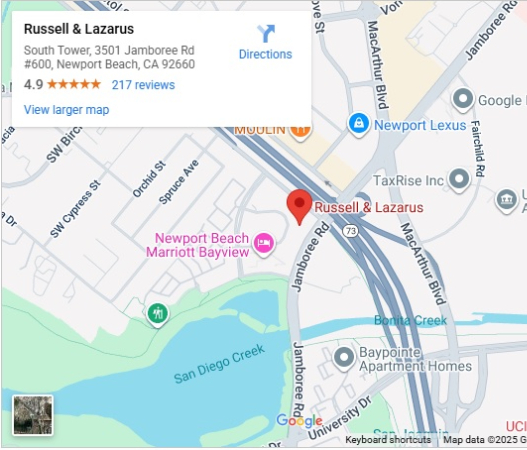
South Tower, 3501 Jamboree Rd #600,
Newport Beach, CA 92660
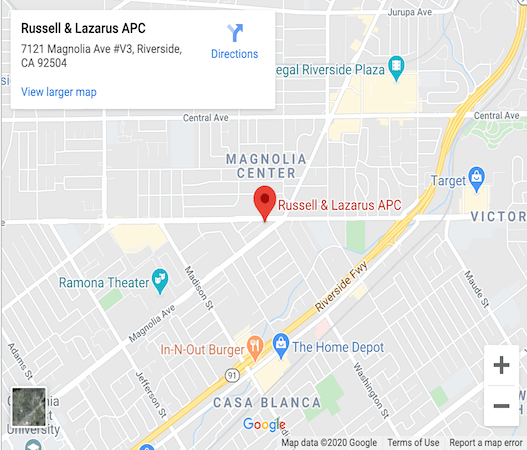
Phone: (951) 485-4000
Toll-Free: (877) 789-4878
Grandville Executive Suites
7121 Magnolia Ave., #V3
Riverside, CA 92504
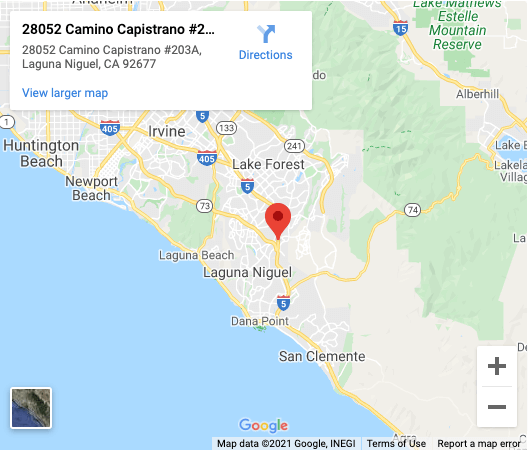
Phone: (949) 426-7299
Toll-Free: (877) 789-4878
28052 Camino Capistrano, Suite 203A
Laguna Niguel, CA 92677
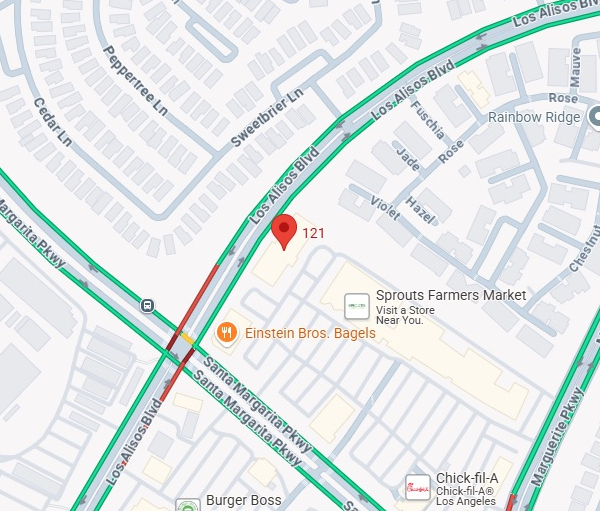
Phone: (949) 309-0990
Toll-Free: (877) 789-4878
27725 Santa Margarita Parkway, Suite 121 Mission Viejo, CA 92691