The Steps After a Car Accident

After a car accident in California, stop, check for injuries, and call 911 if anyone is hurt or in immediate danger. Once it is safe, exchange information, document the crash, and notify your insurer. If anyone was injured or killed, California generally requires a written law enforcement report within 24 hours. A separate DMV report is due within 10 days if anyone was injured or killed or damage to any one person’s property exceeded $1,000.
1. Stop and check for injuries
Stop as close to the crash as you safely can. Check on your passengers and others involved when you can do so safely. Call 911 if someone is injured or there is an immediate hazard, and follow the dispatcher’s instructions. California requires drivers involved in an injury crash to provide reasonable assistance to anyone who is injured.
If nobody is hurt and your vehicle can be moved safely, move it out of traffic. Stay nearby so you can exchange required information and complete your duties at the scene. See the California Driver’s Handbook for the state’s collision guidance.
2. Exchange information with the other driver
Exchange names and current addresses. Show your driver’s license, registration, and proof of insurance, and record the other vehicle’s plate number and insurer. If the driver and vehicle owner are different people, get the owner’s information as well. A phone number can help with follow-up. When speaking with the other driver or an officer, stick to what you saw and heard and say when you are unsure.
If you hit an unattended vehicle or other property, stop and try to locate the owner. If you cannot find them, leave a visible written notice with your name and address, the vehicle owner’s name and address if different, and a brief description of what happened. Notify the local police or, in an unincorporated area, the California Highway Patrol without unnecessary delay. See California Vehicle Code section 20002.
3. Report the crash to law enforcement and the DMV when required
Law enforcement report. If anyone is injured or killed, drivers of vehicles other than common carriers generally must make or arrange for a written report within 24 hours. Report to the California Highway Patrol or, if the crash occurred within a city, to that city’s police department. If officers respond, ask for the report number and confirm how they will handle the written reporting requirement. See California Vehicle Code section 20008.
DMV Form SR-1. A driver or their authorized representative must file an SR-1 within 10 days if anyone was injured, even slightly, anyone died, or damage to the property of any one person exceeded $1,000. This is required regardless of fault and is separate from any report to police or an insurer. You can file through the California DMV SR-1 reporting page.
4. Preserve photos, video, and witness details
When it is safe, photograph vehicle damage, license plates, the overall scene, and any road markings or traffic controls that help explain what happened. Ask witnesses for their names and contact details. Keep the original photos and back up any dashcam footage before it is overwritten.
Write down the time, location, and direction you were traveling while the details are fresh. Note nearby businesses or vehicles that might have recorded the crash. If you were injured, tell your attorney about possible footage early so they can consider requesting that it be preserved.
5. Get medical care and document how the injury affects you
Get medical care if you are injured or symptoms develop after you leave the scene. Tell your provider when the crash happened, when symptoms started, and how they affect your daily activities. Follow the care plan and keep copies of discharge instructions, medical bills, receipts, and any work restrictions.
Keep records of missed shifts, reduced hours, and injury-related expenses. A short, dated note about specific changes, such as needing help with childcare or missing a work shift, can help you explain the impact later. See our article on how to help your personal injury attorney.
6. Notify your insurer and keep claim records
Notify your insurer promptly and ask what your policy requires. Record the claim number and adjuster’s contact information. Save correspondence from both insurers. If the other driver’s insurer asks for a recorded statement, broad medical authorization, or signed release, consider speaking with an attorney before responding. Your own policy may require timely notice and cooperation.
If the other driver is uninsured, underinsured, or unidentified, tell your insurer promptly and ask about applicable coverage and deadlines. Our California auto insurance guide explains how these coverages may apply.
7. Document vehicle damage and transportation costs
Save towing and storage invoices, repair estimates, rental receipts, and photos of the damage. Ask the insurer when it will inspect the car and how it will handle repairs or a total loss. Before authorizing repairs or disposal, confirm what needs to be documented for the claim.
If you receive a payment or settlement document, read what it covers. Ask whether the paperwork resolves vehicle damage only or also releases injury claims.
8. Check the legal deadlines and review any settlement offer
California generally gives you two years from the date of injury to file a personal injury lawsuit. If a public entity may be responsible, such as when a city vehicle is involved, you generally must first present an injury claim to the appropriate agency within six months. Exceptions and separate insurance deadlines may apply. See the California Courts guides on deadlines to sue and government claims.
Before accepting a settlement, review which claims the release covers and whether the offer accounts for your treatment, missed work, and any future care you may need. An attorney can help you identify deadlines and available insurance coverage while you are still receiving care.
FAQs
Do I still need to file an SR-1 if the police wrote a report?
Yes, if the crash meets the DMV reporting criteria. A police report and Form SR-1 serve separate purposes. The DMV filing is due within 10 days of a qualifying crash.
What if I feel fine at the scene but symptoms start later?
Seek medical care when symptoms develop. Write down when you first noticed them, tell your provider about the crash, and check promptly whether you need to file a report or update your insurer.
What should I do if the other driver leaves the scene?
Stay in a safe place and report the crash promptly. Write down the plate number or vehicle description if you saw it, and save witness details or footage. Tell your insurer promptly because a hit-and-run claim can have short reporting and documentation requirements.
Can I speak with a car accident attorney before I have the police report?
Yes. Bring whatever you have, such as the incident number, photos, insurance information, and medical records. An attorney can begin assessing deadlines and help identify what records to request.
Talk to a California Car Accident Attorney
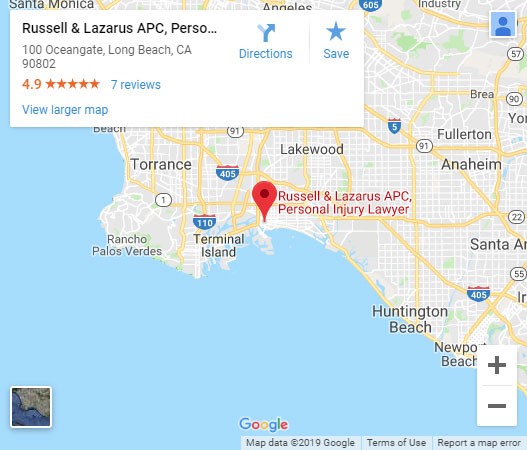
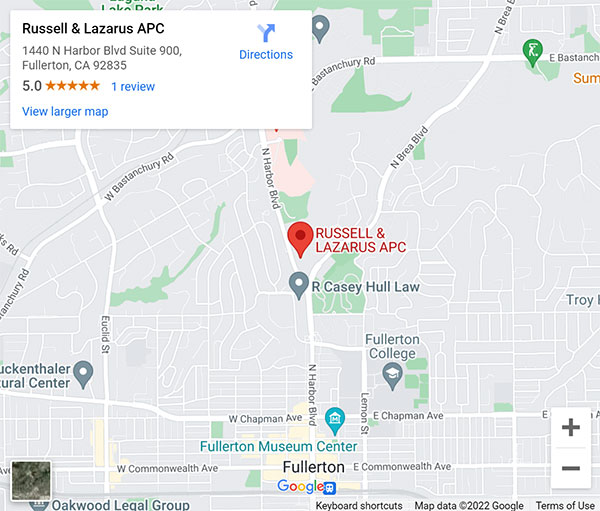
Russell & Lazarus APC has Orange County offices in Newport Beach, Fullerton, Laguna Niguel, and Mission Viejo, plus offices in Long Beach, Riverside, San Diego, and Sacramento.
If you were injured in a crash, call (877) 789-4878 or request a free case review to discuss your next steps.
This article provides general information about California law as checked on November 18, 2026. The reporting and filing deadlines that apply depend on the facts of your case.



Locations
Phone: (949) 851-0222
Toll-Free: (877) 789-4878
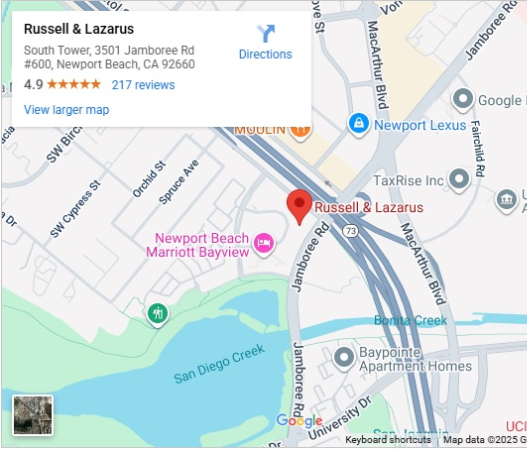
South Tower, 3501 Jamboree Rd #600,
Newport Beach, CA 92660
Phone: (951) 485-4000
Toll-Free: (877) 789-4878
Grandville Executive Suites
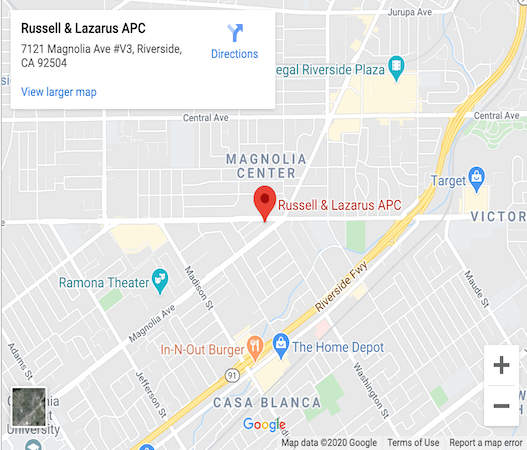
7121 Magnolia Ave., #V3
Riverside, CA 92504
Phone: (949) 426-7299
Toll-Free: (877) 789-4878
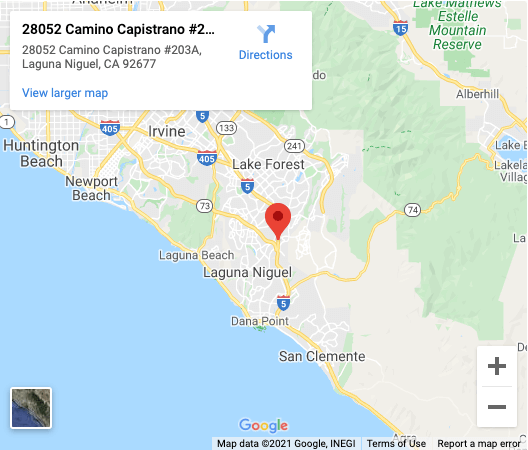
28052 Camino Capistrano, Suite 203A
Laguna Niguel, CA 92677
Phone: (949) 309-0990
Toll-Free: (877) 789-4878
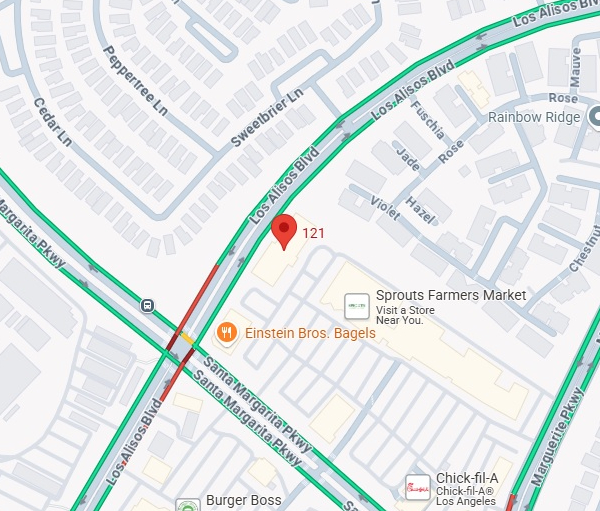
27725 Santa Margarita Parkway, Suite 121 Mission Viejo, CA 92691