
What to Expect at a California Car Accident Deposition
A California car accident deposition is a formal, sworn interview during a lawsuit. Attorneys question a witness about the collision, injuries, medical treatment, and other matters relevant to the case. A deposition officer records the testimony, which may later be used in court, subject to California evidence and procedural rules.
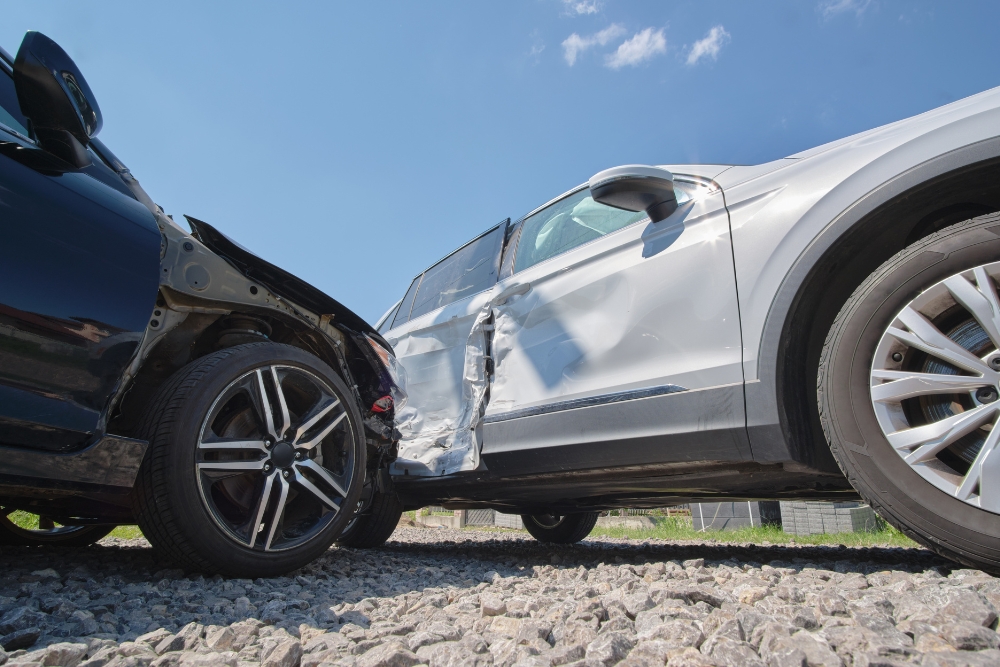
If you have been injured in Orange County, Long Beach, Riverside, San Diego, Sacramento, or elsewhere in California, understanding the deposition process can help you prepare and communicate accurately. A car accident attorney can explain the questions you may encounter, review the relevant records with you, and protect your legal rights during questioning.
Why are depositions important in California car accident cases?
Depositions are part of discovery, the formal process in which parties obtain information about their claims and defenses. Attorneys can question the injured person, other drivers, witnesses, and qualified experts about what they observed or know. Follow-up questions help clarify conflicting accounts and identify evidence that may require further investigation.
For example, two drivers may disagree about the color of a traffic signal or the location of an impact. Deposition testimony can help narrow the dispute when considered alongside photographs, traffic camera footage, and other records.
What happens during a car accident deposition?
Before questioning begins, the deposition officer administers an oath. Attorneys ask questions, and the witness answers verbally. A reporter ordinarily creates a written record, and the testimony may also be recorded by audio or video when authorized under applicable rules. Your attorney may attend, make objections when appropriate, and ask follow-up questions.
The deposition is usually conducted outside the courtroom. Depending on the arrangements and applicable requirements, it may take place in person or by remote electronic means. See Code of Civil Procedure section 2025.220 for deposition notice requirements and Code of Civil Procedure section 2025.310 for electronic participation provisions.
What questions are asked during a car accident deposition?
The questions depend on the particular claims and defenses. Common topics include:
- Your background, employment, and activities before the accident.
- The road conditions, vehicle movements, traffic signals, and what you observed before the impact.
- Injuries, symptoms, medical treatment, prior medical conditions, and recovery.
- Missed work, expenses, and changes in your daily activities.
- Relevant photographs, statements, records, and communications about the incident.
Your lawyer can help you understand why particular topics may be relevant. If you do not remember a detail, say so. Avoid estimating speed, distance, or timing unless you can explain the basis for your estimate.
How long does a California car accident deposition take?
California generally limits questioning by counsel other than the witness’s own attorney to seven total hours of testimony under Code of Civil Procedure section 2025.290. Exceptions, agreements, and court orders can change the applicable limit. A straightforward deposition may finish sooner, while more complex disputes can require additional time.
Breaks can make the process more manageable. If pain, fatigue, medication, or an ADA-related accommodation affects your ability to participate, discuss it with your attorney beforehand so they can consider appropriate arrangements.
How should you prepare for a car accident deposition?
Meet with your attorney before the deposition to review the timeline, relevant medical records, photographs, and any previous statements. Explain any details you are uncertain about, and tell your attorney about existing medical conditions or earlier injuries that could be relevant.
- Listen carefully until the attorney finishes each question.
- Ask for clarification if you do not understand a question.
- Answer truthfully based on your personal knowledge.
- Distinguish what you remember from what you learned later.
- Follow your attorney’s guidance about objections, privileged information, and breaks.
See our guide to help your personal injury attorney build your case and prepare for additional steps.
Can deposition testimony be corrected or used at trial?
Under Code of Civil Procedure section 2025.520, a stenographically recorded deposition generally has a 30-day review and correction period after notice that the transcript is available, unless the applicable arrangements or a court order change that period. Review the transcript with your attorney and address inaccuracies through the prescribed procedure.
Under Code of Civil Procedure section 2025.620, admissible deposition testimony may be used at trial to challenge inconsistent testimony and for other purposes allowed by law. Certain party depositions may also be used even when the witness is available to testify. Changes and inconsistencies may be examined, so truthful and accurate testimony is important from the outset.
Can a deposition affect a car accident settlement?
Deposition testimony can help each side assess fault, medical causation, damages, and the credibility of evidence. This may influence settlement discussions or clarify which issues remain disputed. A deposition does not establish a guaranteed settlement amount or outcome.
For more information, read about the factors attorneys consider when reviewing a California personal injury case.
Speak with a California car accident attorney.
Russell & Lazarus APC can help injured people understand discovery, prepare for depositions, and evaluate their car accident claims. Our eight California offices are in Fullerton, Laguna Niguel, Long Beach, Mission Viejo, Newport Beach, Riverside, Sacramento, and San Diego. Call (877) 789-4878 or request a free case review.
FAQs
1. Does every car accident claim require a deposition?
No. Claims that resolve without litigation may never involve a deposition. In a filed lawsuit, the parties may use depositions as part of discovery.
2. Is a deposition the same as an insurance recorded statement?
No. A deposition is testimony under oath governed by formal legal procedures. A recorded insurance statement is generally part of the insurer’s claim investigation.
3. Can my attorney attend my deposition?
Yes. Your attorney can attend, advise you about the process, and make appropriate objections under the applicable discovery rules.
4. Do I have to answer every deposition question?
Generally, questions within the permitted scope of discovery require answers. Privilege, protective orders, and other applicable limitations may affect whether you must respond. Follow your attorney’s guidance. See Code of Civil Procedure section 2025.460.
5. Can I say I do not remember something?
Yes. If you genuinely do not remember, explain that honestly. Avoid guessing or presenting an assumption as a fact you personally observed.
6. Will the other driver be deposed?
Possibly. Either side may seek relevant deposition testimony from the other driver, witnesses, or other people with information about the dispute.
7. Can I take a break during my deposition?
Reasonable breaks can be arranged. Tell your attorney if you need one because of discomfort, fatigue, or another concern, and follow the applicable procedures.
8. Can a deposition be conducted over video?
Yes, remote participation may be permitted under California discovery rules and the case’s arrangements. Confirm the technology, location, and requirements with your attorney.
9. Can I settle my car accident case after a deposition?
Yes. Settlement discussions may continue after depositions and throughout litigation. Whether an offer is appropriate depends on the evidence, losses, and legal circumstances.
10. How long do I have to file a California car accident lawsuit?
Many California personal injury lawsuits must be filed within two years of injury. Government claims and other exceptions can involve shorter deadlines. See our California personal injury statute of limitations guide.
This article provides general information about California law as of November 3, 2026. The procedures and deadlines that apply depend on the facts of your case.