Brain and Spinal Cord Injuries

A serious brain or spinal cord injury can change nearly every part of a person’s life. Beyond the immediate medical emergency, an injured person may face rehabilitation, time away from work, reduced earning ability, ongoing pain, cognitive or physical limitations, and the need for long-term assistance. When another person, business, property owner, manufacturer, or other party caused the injury, an experienced brain and spinal cord injury lawyer can help determine who may be legally responsible.
Russell & Lazarus APC represents individuals and families affected by serious and catastrophic injuries throughout Orange County and other areas of California. Our attorneys understand that a brain or spinal cord injury case involves much more than calculating current medical bills. A properly prepared claim may need to consider future medical treatment, rehabilitation, lost earnings, diminished earning capacity, assistive equipment, home modifications, personal care, pain and suffering, and the injury’s long-term effect on the person’s independence and quality of life.
If you or a loved one has suffered a serious brain or spinal cord injury, contact Russell & Lazarus APC to discuss your circumstances and available legal options. Call (877) 789-4878 to request a free case evaluation.
Brain and Spinal Cord Injury Cases We Handle
Brain and spinal cord injuries range considerably in severity. Some people recover after medical treatment and rehabilitation, while others experience long-term or permanent physical, cognitive, neurological, emotional, or functional limitations. Understanding the nature of the injury and how it affects the person’s future is an important part of evaluating a serious personal injury claim.
Traumatic Brain Injuries
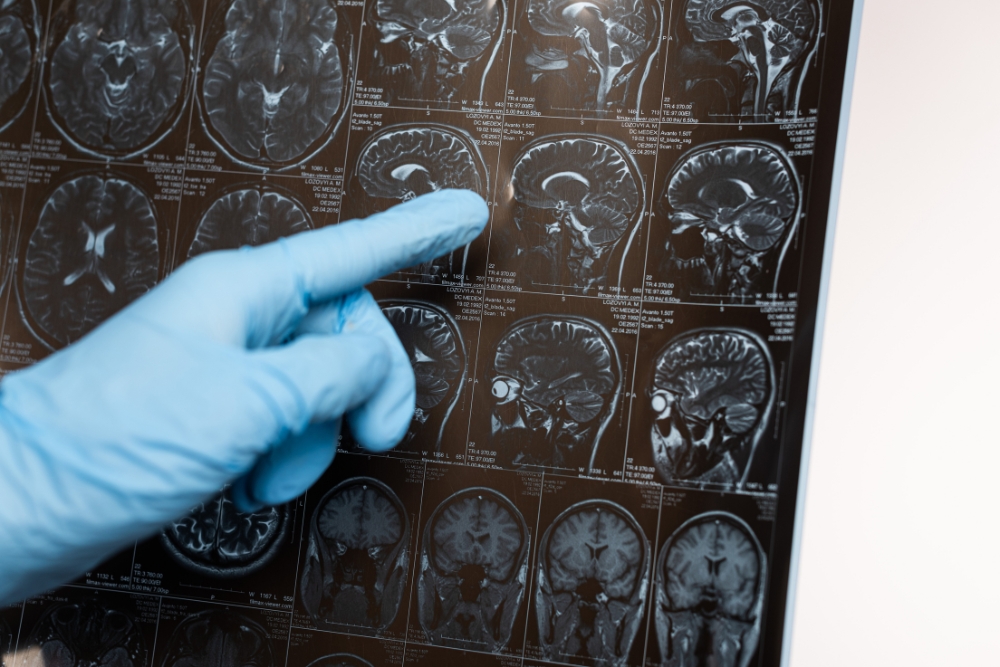
A traumatic brain injury, commonly referred to as a TBI, occurs when trauma affects how the brain functions. A TBI can result from a blow or jolt to the head or from forces that cause the brain to move rapidly inside the skull. Depending on the circumstances, symptoms may include headaches, dizziness, memory problems, difficulty concentrating, balance problems, mood changes, sleep disturbances, vision problems, confusion, or other neurological complications.
Some symptoms may be immediately apparent, while others can develop or become noticeable after the accident. Anyone who has experienced a significant head injury should obtain appropriate medical evaluation. Learn more about how our attorneys handle traumatic brain injury cases.
Spinal Cord Injuries
The spinal cord carries signals between the brain and the rest of the body. Spinal cord damage can interfere with movement, sensation, strength, bladder or bowel control, breathing, and other bodily functions. The effects depend on the location and severity of the injury and whether the spinal cord injury is complete or incomplete.
Serious spinal cord injuries may result in partial or complete paralysis and can require extensive rehabilitation, medical equipment, mobility assistance, home modifications, and long-term personal care. Learn more about spinal cord injury claims and how these complex cases may be evaluated.
Spinal Fractures and Related Injuries
A fractured vertebra does not always mean that the spinal cord itself has been damaged, but certain spinal fractures can cause severe pain, instability, nerve damage, or neurological complications. Treatment may involve immobilization, rehabilitation, injections, surgery, or other medical care depending on the nature of the injury.
Russell & Lazarus also provides information specifically addressing spinal fracture injuries.
Catastrophic Injuries
A severe brain or spinal cord injury may qualify as a catastrophic injury when it results in long-term disability, permanent impairment, substantial disfigurement, or another significant reduction in a person’s ability to live or work as before. These claims often require a more detailed analysis of future medical and financial needs. Learn more about catastrophic injury cases in Orange County.
What Can Cause a Brain or Spinal Cord Injury?
Serious neurological injuries can result from many types of accidents. Motor vehicle collisions are a common cause because the sudden forces of an impact can injure the head, neck, back, vertebrae, or spinal cord. Brain and spinal injuries can also occur in motorcycle crashes, truck accidents, pedestrian collisions, bicycle accidents, rideshare accidents, construction accidents, falls, premises liability incidents, recreational accidents, and accidents involving defective products.
Determining how the injury occurred is only one part of the investigation. An attorney may also need to identify every person or entity whose actions contributed to the accident. Depending on the circumstances, potentially responsible parties can include negligent drivers, vehicle owners, employers, property owners, contractors, manufacturers, businesses, or government entities.
Why Brain and Spinal Cord Injury Claims Require Careful Preparation
Severe neurological injuries can create losses that continue for years or even a lifetime. Settling a claim based only on today’s medical bills may not account for future treatment and the injury’s long-term financial consequences.
A comprehensive evaluation may require reviewing emergency records, diagnostic imaging, neurological findings, surgical recommendations, rehabilitation records, employment history, wage information, and evidence showing how the injury has affected everyday activities. Depending on the case, attorneys may also consult physicians, rehabilitation specialists, vocational experts, economists, accident reconstruction professionals, life-care planners, or other qualified experts.
The objective is to document not only what happened in the accident but also the full effect of the injury on the person’s health, work, independence, family, and future.
What Compensation May Be Available?
The damages available in a brain or spinal cord injury case depend on the accident facts, the injury’s severity, liability, available insurance or other sources of recovery, and the injury’s short- and long-term consequences.
Potential damages may include past and future medical expenses, hospitalization, surgery, physical and occupational rehabilitation, medication, assistive equipment, home or vehicle modifications, lost wages, loss of future earning capacity, necessary personal care, pain and suffering, emotional distress, and loss of enjoyment of life. In particularly serious cases, future medical and support needs can represent a substantial portion of the overall claim.
No attorney can determine the value of a serious injury case based on the diagnosis alone. The accident circumstances and the individual consequences of the injury must be carefully evaluated.
How Russell & Lazarus Prepares Serious Injury Cases
Brain and spinal cord injury claims require evidence that connects the accident to the injury and documents the losses caused by that injury. Russell & Lazarus approaches serious personal injury cases by investigating the circumstances surrounding the accident, preserving available evidence, reviewing medical documentation, evaluating potential defendants and insurance coverage, and developing evidence concerning damages.
Depending on the accident, important evidence may include photographs, video recordings, witness statements, police or incident reports, vehicle information, property records, employment documents, medical records, imaging studies, expert evaluations, and other materials relevant to liability or damages.
Insurance companies may question the severity of an injury, argue that symptoms resulted from a prior medical condition, dispute future treatment recommendations, challenge lost earning capacity, or attempt to assign some responsibility for the accident to the injured person. Thorough preparation can help address these issues with objective evidence.
Future Medical Care and Life-Care Needs
One of the most important issues in a serious brain or spinal cord injury case is determining what the injured person may need in the future. Recovery may involve ongoing physician care, physical therapy, occupational therapy, neurological treatment, psychological or cognitive rehabilitation, medications, medical equipment, transportation assistance, accessibility modifications, or personal care.
For people with permanent neurological impairment, determining future needs may require input from appropriate medical and rehabilitation professionals. These projected costs matter when evaluating whether a proposed settlement reasonably accounts for the injury’s long-term consequences.
Brain and Spinal Cord Injury Lawyers Serving Orange County and California
Russell & Lazarus APC has offices throughout Southern California and additional California locations, allowing injured individuals and families to contact a convenient office. Each office can assist with questions concerning serious personal injury claims, including traumatic brain injuries, spinal cord injuries, spinal fractures, paralysis, and other catastrophic injuries.
Newport Beach
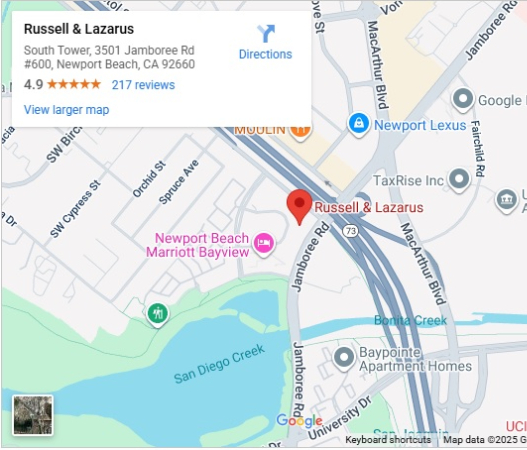
Our Newport Beach office serves individuals and families throughout coastal and central Orange County. Contact the Russell & Lazarus Newport Beach office or call (949) 851-0222.
Mission Viejo
Our Mission Viejo office helps injured clients throughout South Orange County and surrounding communities. Contact the Russell & Lazarus Mission Viejo office or call (949) 309-0990.
Laguna Niguel
Individuals and families in Laguna Niguel and surrounding South Orange County communities can contact our local office to discuss a serious injury claim. Visit the Russell & Lazarus Laguna Niguel office or call (949) 426-7299.
Fullerton
Our Fullerton office serves clients throughout North Orange County and nearby communities. Contact the Russell & Lazarus Fullerton office or call (714) 772-9700.
Long Beach
Our Long Beach office assists injured people throughout Long Beach and surrounding Los Angeles County communities. Contact the Russell & Lazarus Long Beach office or call (562) 496-1997.
Riverside
Clients in Riverside and surrounding Inland Empire communities can contact our Riverside location regarding serious injury claims. Visit the Russell & Lazarus Riverside office or call (951) 485-4000.
San Diego
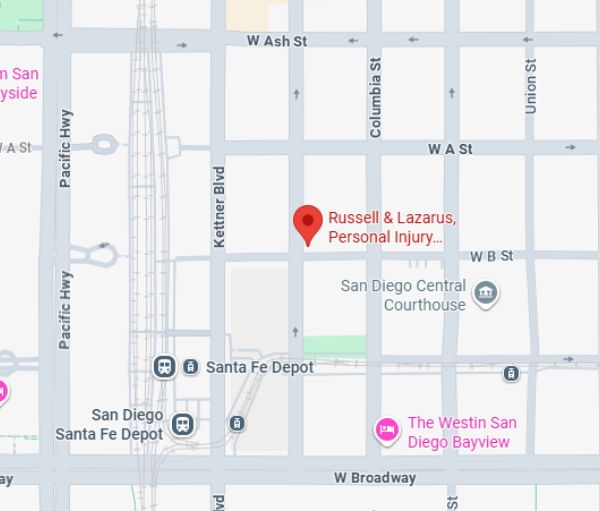
Our San Diego office serves people who have suffered serious injuries throughout San Diego County. Contact the Russell & Lazarus San Diego office or call (619) 986-0411.
Sacramento
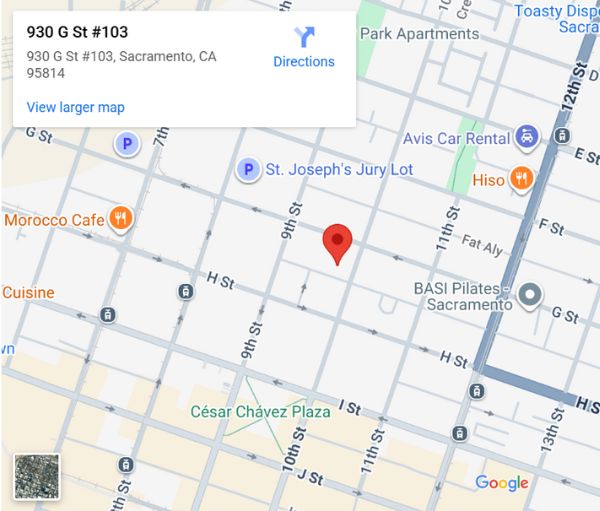
Russell & Lazarus also assists injured clients through our Sacramento location. Contact the Russell & Lazarus Sacramento office or call (916) 299-3999.
How Long Do You Have to File a Brain or Spinal Cord Injury Claim in California?
California filing deadlines depend on the claim type and the parties involved. For many personal injury cases, the general statute of limitations is two years from the date of the injury. However, different deadlines and exceptions may apply depending on the circumstances.
Claims involving a California government entity can have substantially shorter requirements. For example, a personal injury claim against a government agency generally must first be presented to the appropriate government entity within six months. Because missing an applicable deadline can prevent an injured person from pursuing a claim, it is important to determine the correct deadline as early as possible.
More information about California filing deadlines is available from the California Courts.
Frequently Asked Questions
What is a traumatic brain injury?
A traumatic brain injury is an injury that affects how the brain works. It can result from a blow, bump, or jolt to the head or from forces that cause rapid movement of the head and brain. The effects can range from a concussion to severe neurological impairment. The Centers for Disease Control and Prevention provides additional information about traumatic brain injuries, symptoms, and recovery.
Can a brain injury occur without losing consciousness?
Yes. Loss of consciousness is not required for every traumatic brain injury. Symptoms can involve headaches, concentration or memory difficulties, dizziness, balance problems, sleep changes, sensitivity to light or noise, emotional changes, or other problems. Some symptoms may not become apparent immediately after an accident.
What is the difference between a spinal injury and a spinal cord injury?
The spine includes vertebrae, discs, joints, and other structures that surround and protect the spinal cord. A person can suffer a vertebral fracture, disc injury, or other spinal injury without damaging the spinal cord itself. A spinal cord injury directly affects the nerve tissue that carries signals between the brain and the body and may cause significant neurological impairment.
Can a spinal cord injury cause paralysis?
Yes. Depending on the level and severity of the injury, spinal cord damage can cause partial or complete loss of movement or sensation below the injury site. The National Institute of Neurological Disorders and Stroke provides additional information about spinal cord injuries and their effects.
What if my symptoms appeared after the accident?
Some symptoms associated with head and neurological injuries may appear later rather than immediately after an accident. Getting an appropriate medical evaluation and accurately reporting developing symptoms can matter for both your health and documenting the injury’s progression.
What if I had a previous back, neck, or neurological condition?
A pre-existing condition does not automatically prevent a personal injury claim. An accident can sometimes aggravate or worsen an existing condition. Medical records, diagnostic testing, physician opinions, and evidence about the person’s condition before and after the accident may matter when evaluating causation and damages.
How is the value of a brain or spinal cord injury case determined?
There is no standard settlement amount. The value of a claim depends on factors such as liability, injury severity, medical expenses, future treatment needs, lost income, diminished earning capacity, permanent impairment, pain and suffering, available insurance coverage, and the evidence supporting the claim.
Can compensation include future medical expenses?
Potential damages in a serious personal injury case may include reasonably necessary future medical care associated with the injury. Depending on the circumstances, this could involve rehabilitation, surgery, physician care, medication, assistive equipment, home modifications, or personal care. Appropriate medical and financial evidence may be necessary to establish these future costs.
What if I was partially responsible for the accident?
California follows a comparative fault system. This means an injured person may still recover damages even when they share some responsibility for the accident. However, recovery may be reduced based on the percentage of fault assigned. The effect of comparative fault depends on the specific facts and evidence in the case.
When should I contact a brain and spinal cord injury lawyer?
It is generally beneficial to speak with an attorney as soon as reasonably possible after a serious accident. Evidence can disappear, witnesses can become difficult to locate, insurance companies may request statements or records, and legal deadlines continue to run. Early investigation can help identify responsible parties, preserve available evidence, and determine the filing deadlines that apply to the claim.
Contact Russell & Lazarus About a Brain or Spinal Cord Injury
A traumatic brain injury, spinal cord injury, spinal fracture, paralysis, or other catastrophic injury can create medical, financial, and personal challenges that extend far beyond the date of the accident. When someone else’s negligence may have contributed to the injury, Russell & Lazarus APC can evaluate the circumstances, identify potential sources of compensation, and explain the legal options available.
Our attorneys represent injured individuals and families throughout Orange County, Southern California, and other areas of California from our Newport Beach, Mission Viejo, Laguna Niguel, Fullerton, Long Beach, Riverside, San Diego, and Sacramento offices.
To request a free case evaluation, contact Russell & Lazarus APC today or call (877) 789-4878.
This information is provided for general informational purposes only and does not constitute legal or medical advice. Filing deadlines, liability, damages, and available legal options depend on the specific facts and circumstances of each case.



Locations
Phone: (949) 851-0222
Toll-Free: (877) 789-4878
South Tower, 3501 Jamboree Rd #600,
Newport Beach, CA 92660
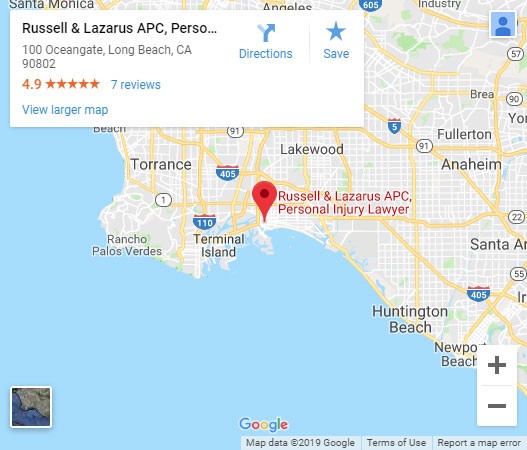
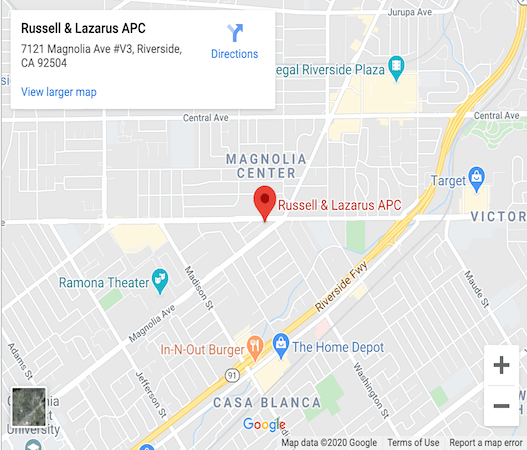
Phone: (951) 485-4000
Toll-Free: (877) 789-4878
Grandville Executive Suites
7121 Magnolia Ave., #V3
Riverside, CA 92504
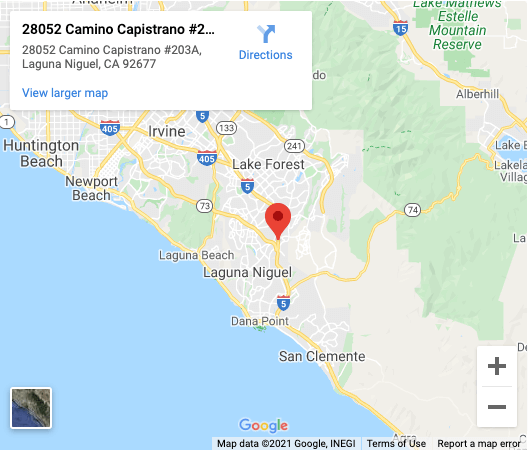
Phone: (949) 426-7299
Toll-Free: (877) 789-4878
28052 Camino Capistrano, Suite 203A
Laguna Niguel, CA 92677
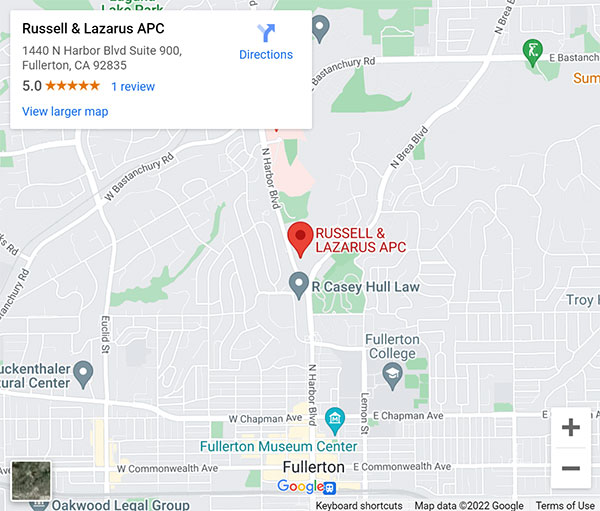
Phone: (949) 309-0990
Toll-Free: (877) 789-4878
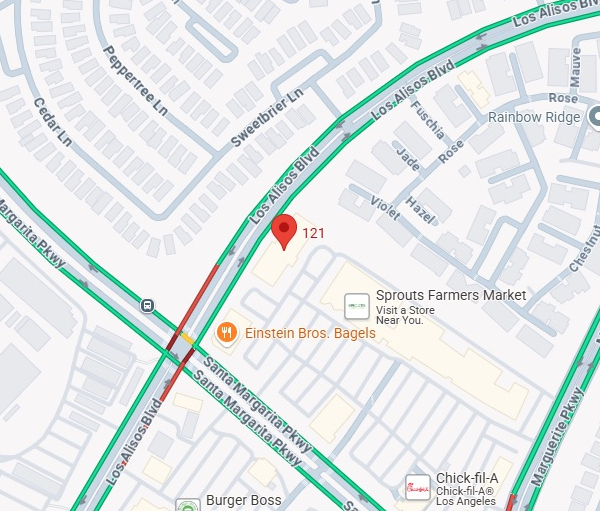
27725 Santa Margarita Parkway, Suite 121 Mission Viejo, CA 92691