Amusement Park Injuries
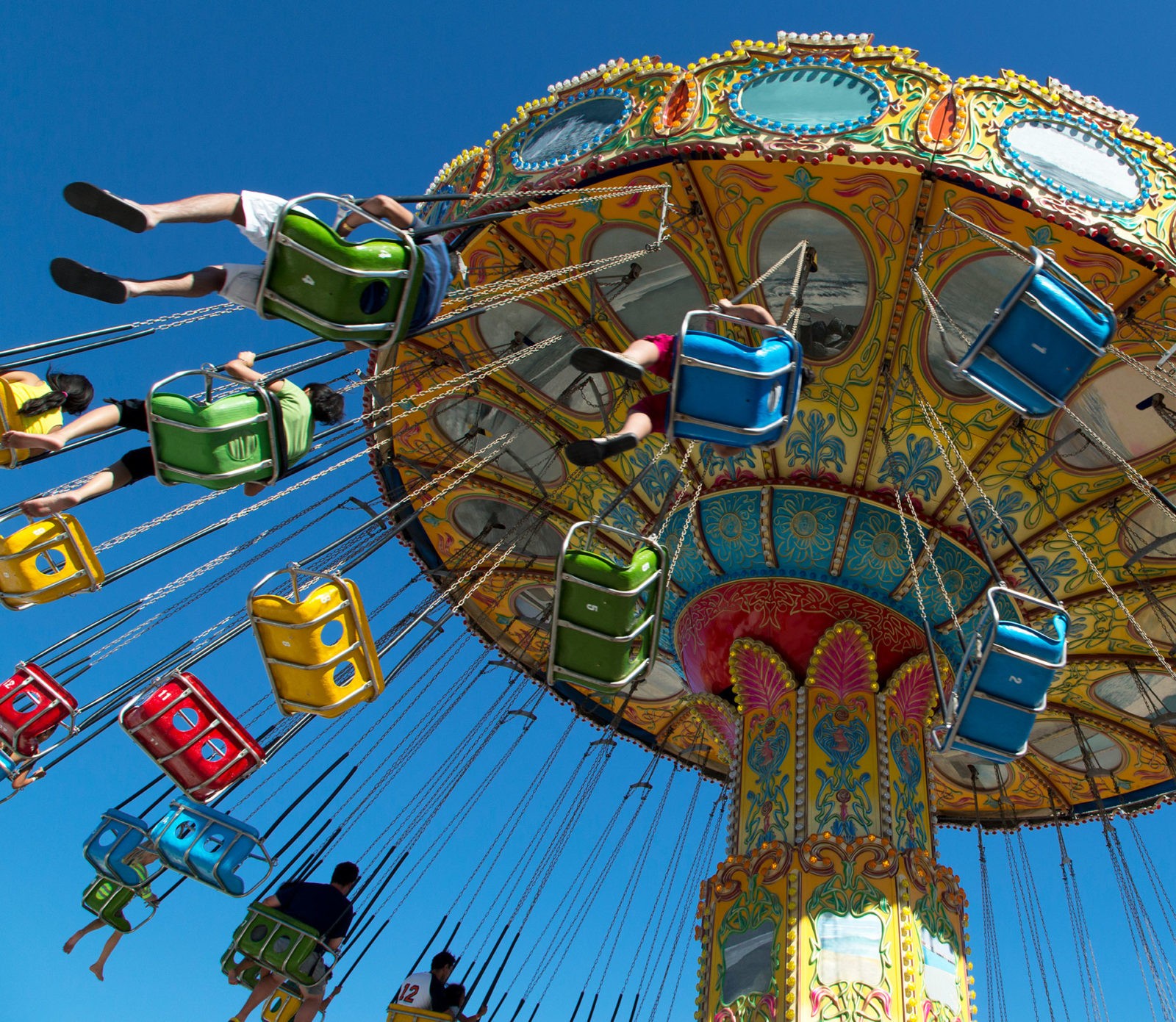
California is home to some of the most visited theme parks, amusement parks, water parks, fairs, carnivals, and family entertainment destinations in the country. Millions of residents and visitors ride roller coasters, water attractions, spinning rides, drop towers, bumper cars, carnival rides, and other attractions expecting the equipment to be properly designed, inspected, maintained, and operated.
When an amusement park ride malfunctions or a dangerous condition causes an injury, the consequences can be serious. A rider may suffer a traumatic brain injury, spinal injury, fracture, internal injury, burn, paralysis, drowning injury, or other life-changing harm.
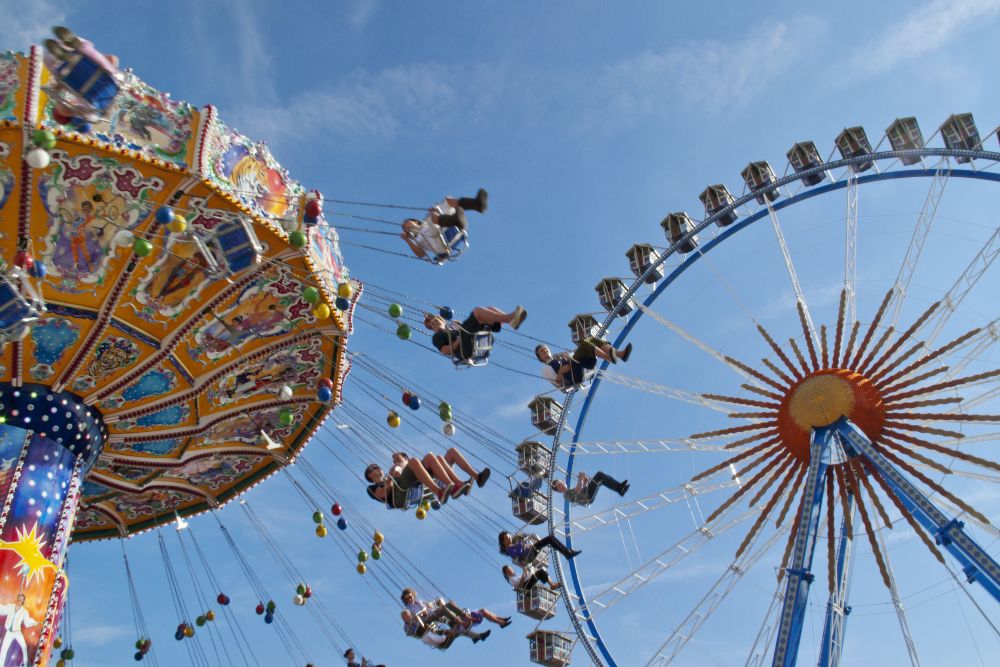
At Russell & Lazarus APC, our California personal injury attorneys investigate serious amusement park accidents involving negligent ride operation, defective equipment, inadequate maintenance, dangerous premises, unsafe restraints, inadequate warnings, and other conditions that may cause preventable injuries.
Russell & Lazarus serves injured people throughout California from offices in Newport Beach, Mission Viejo, Long Beach, Riverside, Laguna Niguel, Fullerton, Sacramento, and San Diego. Call (877) 789-4878 or contact Russell & Lazarus online for a complimentary case evaluation.
What Is an Amusement Park Accident?
An amusement park accident is an injury-producing incident involving an amusement ride, recreational attraction, water attraction, carnival, theme park, fair, entertainment venue, or another area within an amusement property.
Not every amusement park injury involves a roller coaster. Accidents may occur while riding an attraction, entering or exiting a ride, waiting in line, walking through the park, visiting a water attraction, using stairs or escalators, traveling through a parking area, or participating in another recreational activity.
Amusement park accident claims may involve:
- Roller coaster accidents
- Drop-tower accidents
- Spinning and swinging ride accidents
- Water ride and water park injuries
- Bumper car accidents
- Carnival ride accidents
- Ferris wheel accidents
- Children’s ride accidents
- Ride restraint and lap-bar failures
- Mechanical failures
- Electrical accidents
- Ride loading and unloading injuries
- Slip and fall accidents
- Falling-object injuries
- Drowning and near-drowning incidents
- Parking lot and pedestrian accidents
The legal issues depend on exactly what caused the accident. A ride malfunction may involve negligence and product liability, while a fall caused by spilled liquid or damaged pavement may involve California premises liability law.
California Has Specific Safety Rules for Amusement Rides
Permanent amusement rides operating in California are regulated through the California Department of Industrial Relations and Division of Occupational Safety and Health’s Amusement Ride and Tramway Unit.
California regulations address permanent amusement ride design, operation, inspections, maintenance, employee training, safety instructions, recordkeeping, accident reporting, and financial responsibility.
Under California regulations, operators must follow applicable ride operating procedures and provide required training to ride operators and attendants. Operators must also use effective signs, videos, or other methods to communicate safety instructions, limitations, restrictions, and warnings considered necessary for patron safety.
California regulations also require permanent amusement ride owners and operators to maintain records concerning employee training, maintenance, repair, inspection, testing, accidents, and qualifying amusement ride incidents.
Learn more directly from the California Amusement Ride and Tramway Unit.
California Requires Serious Amusement Ride Accidents to Be Reported
California regulations require operators of permanent amusement rides to immediately report qualifying accidents involving death or serious injury resulting from the maintenance, operation, or use of the ride.
When a death or serious injury results from the failure, malfunction, or operation of a permanent amusement ride, California regulations also provide for preservation of equipment or conditions involved in the accident when required for investigation.
This is one reason an injured person should act promptly. Physical evidence can be extremely important in determining whether a restraint malfunctioned, a component failed, an inspection was inadequate, or the ride was operated improperly.
Are Roller Coasters Common Carriers Under California Law?
In certain circumstances, yes.
The California Supreme Court addressed this issue in Gomez v. Superior Court, a case involving an injury allegedly associated with a Disneyland attraction in Anaheim.
The California Supreme Court concluded that the operator of a roller coaster or similar amusement park ride can qualify as a carrier of persons for reward under California Civil Code Sections 2100 and 2101.
California Civil Code Section 2100 states that a carrier of persons for reward must use the utmost care and diligence for the safe carriage of passengers.
Section 2101 further provides that such a carrier must provide vehicles that are safe and fit for the purposes for which they are used.
The common-carrier analysis does not necessarily apply identically to every amusement attraction. The type of ride and specific circumstances matter. However, California law can impose significant safety responsibilities on operators of roller coasters and similar rides.
What Causes Amusement Park Accidents?
Serious amusement park accidents can result from human error, mechanical problems, defective equipment, inadequate maintenance, unsafe premises, or multiple contributing factors.
Common causes may include:
- Ride operator distraction
- Improper loading or unloading
- Failure to check passenger restraints
- Defective lap bars or harnesses
- Mechanical component failure
- Brake-system failure
- Electrical malfunction
- Failure to inspect a ride properly
- Failure to perform required maintenance
- Ignoring a known mechanical problem
- Improper ride assembly
- Defective ride design
- Manufacturing defects
- Inadequate safety warnings
- Failure to enforce height or rider restrictions
- Unsafe walking surfaces
- Inadequate crowd control
- Falling objects
A serious accident should be investigated rather than automatically dismissed as an unavoidable consequence of visiting an amusement park.
Ride Operator Negligence
Ride operators and attendants play a significant role in passenger safety. Their responsibilities may include loading riders, checking restraints, enforcing ride restrictions, monitoring operation, responding to warning signals, stopping a ride when necessary, and following emergency procedures.
An amusement park accident may involve operator negligence when an employee fails to follow required procedures or does not respond appropriately to a known safety issue.
Potential evidence may include employee training records, surveillance video, ride-control information, operating procedures, incident reports, witness statements, and testimony from other employees.
Defective Restraints and Safety Systems
Roller coasters and thrill rides may use lap bars, over-the-shoulder harnesses, seat belts, locking mechanisms, gates, doors, sensors, and other safety systems to secure passengers.
A restraint failure can become catastrophic when a ride travels at high speed, changes direction rapidly, rotates passengers, or operates high above the ground.
Potential problems may include a restraint that:
- Fails to lock
- Unexpectedly releases
- Does not fit properly
- Contains a defective sensor
- Is not inspected correctly
- Is not properly checked by an operator
When a component itself is defective, the manufacturer or another company involved in the design or distribution of the equipment may potentially be responsible under California product liability law.
Amusement Ride Maintenance Failures
Amusement rides may operate hundreds or thousands of cycles while carrying passengers repeatedly throughout the day. Mechanical parts can experience vibration, heat, weather exposure, repeated loading, metal fatigue, and ordinary wear.
California regulations require owners and operators of qualifying permanent amusement rides to maintain records of maintenance, repair, inspection, and testing.
After a serious ride malfunction, an investigation may examine:
- Daily inspection records
- Maintenance records
- Repair history
- Prior mechanical problems
- Previous ride incidents
- Manufacturer recommendations
- Employee complaints
- Testing documentation
- Replacement parts
A recurring mechanical problem that was known before an accident can be particularly important evidence.
Product Liability After an Amusement Park Accident
Not every amusement park injury is caused by park employees. Some accidents involve a defective ride or defective component.
California product liability claims may involve:
- Design defects involving the fundamental design of the ride or component
- Manufacturing defects involving a product that was not manufactured as intended
- Warning defects involving inadequate warnings or safety instructions
Potentially defective equipment may include restraints, brakes, wheels, structural components, electrical systems, hydraulic components, sensors, ride vehicles, doors, gates, seats, or other safety-related systems.
Product cases often require engineers or other technical experts. Learn more through the Russell & Lazarus California Product Liability Attorney resource.
Slip and Fall Accidents at Theme Parks
Some of the most serious amusement park injuries happen away from the rides.
Theme parks contain restaurants, stores, stairs, ramps, restrooms, waiting areas, plazas, parking structures, transportation areas, water attractions, and miles of pedestrian walkways.
Dangerous conditions can include:
- Spilled beverages
- Water near attractions
- Uneven pavement
- Damaged flooring
- Poor lighting
- Unsafe stairs
- Loose mats
- Debris
- Unmarked elevation changes
- Unsafe queue areas
A premises liability case may require evidence that the responsible party created the dangerous condition or knew or should reasonably have known about it and failed to respond appropriately.
Learn more from the Russell & Lazarus California Slip and Fall Attorneys.
Water Park and Water Attraction Accidents
Water parks and aquatic attractions can create additional risks involving slippery surfaces, drowning, collisions, improper supervision, water depth, ride operation, and defective equipment.
Potential accidents may involve water slides, wave pools, splash areas, lazy rivers, pools, aquatic rides, and other attractions.
California’s permanent amusement ride safety regulations contain specific provisions applying to qualifying aquatic devices. Depending on the circumstances, a water-related injury may involve amusement ride regulations, premises liability, negligent supervision, or product liability.
Children Injured at Amusement Parks
Children are especially vulnerable to amusement ride injuries because their height, weight, judgment, and physical development differ from those of adults.
Ride operators may establish minimum height, size, health, or other restrictions based on safe operating requirements.
A child injury may raise questions about whether:
- The child satisfied the ride’s restrictions
- The restriction was clearly displayed
- An employee properly measured the child
- The restraint fit correctly
- The operator checked the restraint
- The ride was appropriate for the child
- The attraction was operated properly
Injuries to children may also require consideration of future medical care, permanent scarring, developmental effects, psychological trauma, and other long-term consequences.
What Injuries Can Amusement Park Accidents Cause?
The forces created by amusement rides can be significant. A malfunction, fall, sudden impact, restraint failure, or other accident can produce severe trauma.
Potential injuries include:
- Traumatic brain injuries
- Concussions
- Neck injuries
- Back injuries
- Spinal fractures
- Spinal cord injuries
- Herniated discs
- Broken bones
- Shoulder injuries
- Internal organ injuries
- Crush injuries
- Electrical injuries
- Burns
- Drowning and near-drowning injuries
- Nerve damage
- Paralysis
- Permanent disability
- Fatal injuries
When an amusement park injury permanently affects mobility, independence, earning ability, or quality of life, it may qualify as a catastrophic injury.
Who Can Be Responsible for an Amusement Park Accident?
Responsibility depends on how the accident happened. More than one person or company may potentially be involved.
Potential defendants may include:
- The amusement park owner
- The amusement park operator
- A ride operator or employee
- A ride manufacturer
- A component manufacturer
- A maintenance contractor
- An inspection company
- A concession operator
- A temporary carnival operator
- A property owner
- Another contractor
A detailed investigation can help determine who controlled the ride, who maintained it, who manufactured the equipment, and what actions occurred before the injury.
Does Assumption of Risk Prevent an Amusement Park Injury Claim?
Not automatically.
Amusement attractions are designed to create excitement, speed, motion, drops, turns, and other sensations. California law recognizes assumption-of-risk principles in recreational activities, but the application of those principles depends on the specific activity and the precise cause of the injury.
Accepting the ordinary sensations associated with an amusement ride is not necessarily the same as accepting every risk created by a mechanical defect, improper maintenance, negligent ride operation, or another dangerous condition.
Whether assumption of risk affects a particular amusement park accident claim should therefore be evaluated based on the actual facts rather than assuming that riding an attraction eliminates all legal rights.
What About Waivers and Disclaimers on Tickets?
Theme park tickets, online agreements, attraction forms, and recreational activity waivers may contain language concerning risks, releases, arbitration, or other legal terms.
The effect of any agreement depends on its specific language, how it was presented, the type of activity, the circumstances of the accident, and California law.
Keep copies of electronic tickets, purchase confirmations, waivers, app screens, reservation documents, and other agreements connected with the visit.
Do not automatically assume that language printed on a ticket prevents every possible claim.
What Should I Do After an Amusement Park Accident?
The first priority should be medical safety. Request assistance from park personnel or emergency responders if the injury is serious.
When possible:
- Report the injury to park employees
- Request that an incident report be created
- Obtain appropriate medical treatment
- Identify the exact ride or accident location
- Photograph the ride and surrounding area
- Photograph visible injuries
- Photograph warnings and instructions
- Obtain witness contact information
- Preserve admission tickets and receipts
- Save reservation and mobile-app information
- Preserve damaged clothing or personal property
Do not put yourself at additional risk merely to collect evidence.
Why Surveillance Video Can Be Critical
Large amusement parks may have extensive security-camera systems covering entrances, attractions, queue lines, stores, restaurants, pedestrian areas, parking facilities, and other parts of the property.
Video could potentially show:
- How the accident happened
- Whether a restraint was checked
- How an employee responded
- How long a dangerous condition existed
- Whether other guests previously encountered the same problem
- The condition of the attraction immediately after the accident
Surveillance recordings may eventually be overwritten. Early evidence-preservation efforts can therefore be important.
What Other Evidence Can Help Prove an Amusement Park Accident?
Depending on the accident, important evidence may include:
- Ride inspection records
- Maintenance and repair records
- Employee training documentation
- Operating procedures
- Prior incident records
- Ride-control data
- Manufacturer documents
- Photographs and video
- Surveillance footage
- Witness statements
- Incident reports
- Emergency response records
- Medical records
- Medical bills
- Employment and wage records
Russell & Lazarus discusses its broader approach to investigation and litigation preparation in How We Prepare Your Case.
What Compensation May Be Available?
There is no standard settlement value for an amusement park accident. Compensation depends on the severity of the injuries, liability evidence, future medical needs, lost income, responsible parties, insurance coverage, and other circumstances.
Potential damages may include:
- Emergency medical treatment
- Hospital expenses
- Surgery
- Diagnostic testing
- Physical therapy
- Rehabilitation
- Medication
- Future medical treatment
- Lost wages
- Loss of future earning capacity
- Physical pain
- Emotional distress
- Loss of normal activities
- Scarring and disfigurement
- Permanent disability
Fatal Amusement Park Accidents and Wrongful Death
Ride failures, falls, drowning incidents, electrocution, structural failures, and other severe amusement park accidents can result in death.
When negligence, defective equipment, or another wrongful act causes a fatal injury, qualifying surviving family members may potentially pursue a California wrongful death claim.
Families can learn more through the Russell & Lazarus California Wrongful Death Attorneys resource.
How Long Do You Have to File an Amusement Park Accident Lawsuit?
California Code of Civil Procedure Section 335.1 generally provides a two-year limitations period for many personal injury actions involving injury caused by another person’s wrongful act or neglect.
Review California Code of Civil Procedure Section 335.1.
Different deadlines may apply depending on the circumstances. For example, an accident involving a government-operated fairground, public property, or public entity can involve California government claim requirements that may require a claim to be presented within six months.
Claims involving minors and other specialized circumstances may also be governed by different rules.
Do not wait for a filing deadline before investigating a serious amusement park accident. Surveillance video, maintenance evidence, witnesses, and physical conditions can disappear much sooner.
Amusement Park Accident Lawyers Serving Orange County
Orange County is one of California’s major amusement and tourism markets. The county includes internationally known theme park destinations in Anaheim and Buena Park as well as fairs, festivals, temporary rides, water attractions, entertainment centers, and other recreational venues.
The Disneyland Resort is located in Anaheim, while Knott’s Berry Farm and Knott’s Soak City are located in Buena Park. An injury occurring at a major theme park is still evaluated based on the same fundamental questions: what caused the accident, what safety rules applied, who controlled the dangerous condition, what evidence exists, and what injuries resulted.
Russell & Lazarus serves Orange County amusement park accident victims through offices in Newport Beach, Mission Viejo, Laguna Niguel, and Fullerton.
Fullerton and North Orange County Amusement Park Accident Lawyers
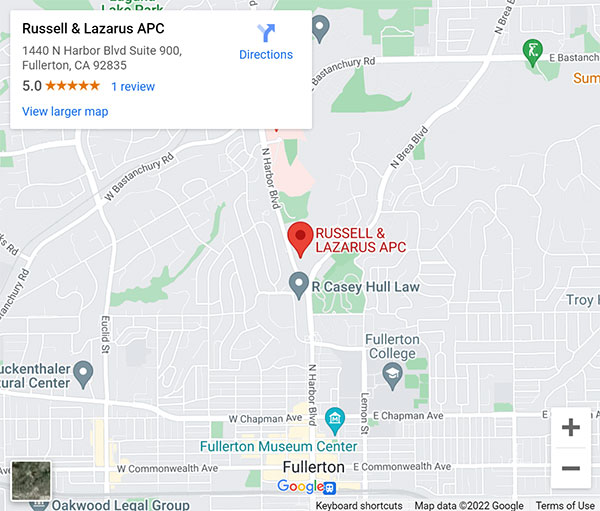
The Russell & Lazarus Fullerton office is positioned to serve clients throughout North Orange County, including Fullerton, Anaheim, Buena Park, Brea, Placentia, La Habra, Garden Grove, and surrounding communities.
This area includes major tourism corridors along Interstate 5, State Route 91, State Route 57, Harbor Boulevard, Beach Boulevard, Katella Avenue, and other roads connecting visitors with Anaheim and Buena Park entertainment destinations.
People searching for a Disneyland accident lawyer in Anaheim, Knott’s Berry Farm injury attorney in Buena Park, or Orange County amusement park accident attorney can contact Russell & Lazarus through its Fullerton office.
Newport Beach Amusement Park Accident Lawyers
Russell & Lazarus has long served injured clients from its Newport Beach office. The firm represents Orange County residents and visitors injured in serious accidents throughout Newport Beach, Irvine, Costa Mesa, Huntington Beach, Santa Ana, Anaheim, and surrounding communities.
Amusement park injury claims originating in Orange County may involve permanent theme park rides, water attractions, temporary carnivals, fairs, recreational venues, dangerous premises, or defective entertainment equipment.
Learn more through the Russell & Lazarus Newport Beach office.
Mission Viejo and South Orange County Amusement Park Accident Lawyers
The Mission Viejo office serves South Orange County communities including Mission Viejo, Lake Forest, Rancho Santa Margarita, Ladera Ranch, Aliso Viejo, Laguna Hills, and surrounding areas.
South Orange County families frequently travel throughout Orange County and Southern California to theme parks, fairs, carnivals, water parks, and other entertainment destinations.
Learn more through the Russell & Lazarus Mission Viejo office.
Laguna Niguel Amusement Park Accident Lawyers
Russell & Lazarus serves injured individuals in Laguna Niguel, Dana Point, Laguna Beach, Aliso Viejo, Laguna Hills, San Juan Capistrano, and neighboring South Orange County communities.
A local resident may suffer an amusement park injury anywhere in California. The location of the accident, not simply the client’s home address, can determine which witnesses, regulations, evidence, and defendants are involved.
Learn more through the Russell & Lazarus Laguna Niguel office.
Long Beach and Los Angeles County Amusement Park Accident Lawyers
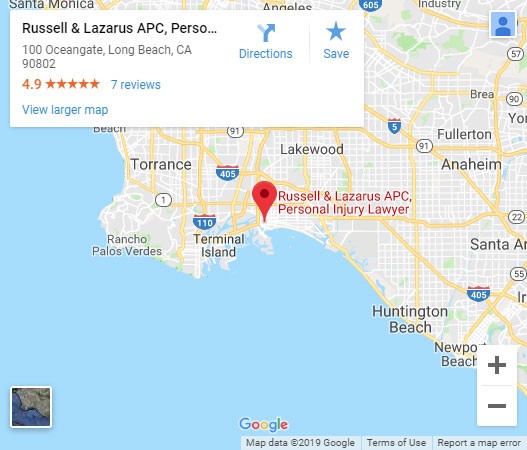
Russell & Lazarus serves Long Beach and surrounding Los Angeles County communities from its Long Beach office.
Residents of Long Beach, Signal Hill, Lakewood, Cerritos, Carson, and surrounding areas have access to theme parks, temporary fairs, carnivals, waterfront entertainment, family attractions, and recreational venues throughout Los Angeles and Orange counties.
An amusement park accident may involve more than the attraction itself. Parking lots, pedestrian areas, shuttle zones, restaurants, stairs, rideshare locations, and other parts of entertainment properties can also create personal injury claims.
Riverside and Inland Empire Amusement Park Accident Lawyers
Riverside County includes permanent amusement attractions as well as fairs, temporary carnivals, water attractions, and entertainment venues.
Castle Park is located in Riverside and includes amusement rides and other family entertainment attractions. An injury at Castle Park or another Inland Empire attraction may involve negligent operation, defective equipment, unsafe property conditions, inadequate maintenance, or another cause depending on the facts.
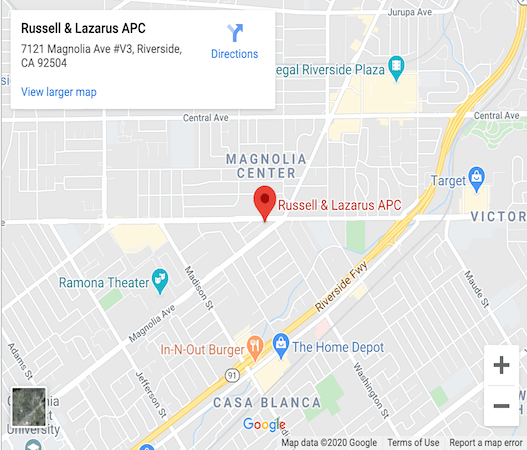
The Russell & Lazarus Riverside office serves clients throughout Riverside, Corona, Moreno Valley, Jurupa Valley, Norco, Eastvale, and surrounding Inland Empire communities.
Sacramento Amusement Park Accident Lawyers
Sacramento-area amusement injuries can occur at permanent attractions, family entertainment centers, public fairs, carnivals, festivals, and temporary amusement rides.
Cal Expo in Sacramento hosts the California State Fair, including carnival rides and other attractions. Accidents involving a state or public entity can raise additional issues concerning government claim procedures and shorter deadlines, while independently operated rides or vendors may create separate questions about responsibility.
Russell & Lazarus serves Northern California clients through its Sacramento office.
San Diego Amusement Park Accident Lawyers
San Diego County contains numerous tourism, amusement, fair, and recreational destinations.
SeaWorld San Diego is located near Mission Bay, and Belmont Park is located in Mission Beach. The San Diego County Fair is held at the Del Mar Fairgrounds and includes carnival rides and games during the annual fair.
A serious accident at a San Diego attraction may involve permanent amusement ride regulations, temporary amusement ride rules, premises liability, product liability, negligence, or public-entity law depending on the property and attraction involved.
Russell & Lazarus serves clients throughout San Diego, Carlsbad, Chula Vista, Coronado, Del Mar, El Cajon, Encinitas, Escondido, Imperial Beach, La Mesa, Lemon Grove, National City, Oceanside, Poway, San Marcos, Santee, Solana Beach, Vista, and surrounding San Diego County communities.
Learn more through the Russell & Lazarus San Diego office.
Why Choose Russell & Lazarus for a Serious Amusement Park Injury?
Amusement park claims can become technically complicated because important evidence may be controlled by the park, manufacturer, maintenance contractor, or another defendant.
Russell & Lazarus approaches personal injury cases with an emphasis on investigation and preparation. Depending on the circumstances, an amusement park accident case may require review of maintenance records, inspection records, operator training, surveillance footage, accident reports, ride specifications, medical records, and expert analysis.
Our attorneys handle serious California personal injury claims involving negligence and strict liability, defective products, dangerous property conditions, traumatic brain injuries, catastrophic injuries, and wrongful death.
Review the firm’s personal injury case results and learn more about how Russell & Lazarus prepares personal injury cases.
California Amusement Park Accident Attorneys Near You
Russell & Lazarus provides access to experienced California personal injury representation through eight office locations:
- Newport Beach Amusement Park Accident Lawyers serving coastal and central Orange County
- Mission Viejo Amusement Park Accident Lawyers serving South Orange County
- Long Beach Amusement Park Accident Lawyers serving Long Beach and Los Angeles County
- Riverside Amusement Park Accident Lawyers serving Riverside and the Inland Empire
- Laguna Niguel Amusement Park Accident Lawyers serving South Orange County
- Fullerton Amusement Park Accident Lawyers serving Anaheim, Buena Park, Fullerton, and North Orange County
- Sacramento Amusement Park Accident Lawyers serving Sacramento and Northern California
- San Diego Amusement Park Accident Lawyers serving San Diego County
Contact a California Amusement Park Accident Lawyer
When a serious amusement park accident occurs, important evidence may be controlled by the park or other companies involved with the attraction. Maintenance records, surveillance footage, inspection documents, ride data, physical components, and witness information can become critical to determining what happened.
Russell & Lazarus APC represents people injured in serious accidents throughout California. To discuss an injury involving a theme park, amusement park, carnival, fair, water attraction, roller coaster, or other recreational attraction, call (877) 789-4878 or contact Russell & Lazarus for a complimentary case evaluation.
NOTICE: Russell & Lazarus APC is not affiliated with, sponsored by, or endorsed by Disneyland Resort, The Walt Disney Company, Knott’s Berry Farm, Castle Park, SeaWorld San Diego, Belmont Park, the California State Fair, Cal Expo, the San Diego County Fair, or any other amusement park or attraction referenced on this page. These names are used solely to provide geographic and informational context.
FAQs
1. Can I sue an amusement park if I was injured on a ride in California?
Potentially. A claim may exist when negligent ride operation, improper maintenance, defective equipment, an unsafe restraint, inadequate warnings, dangerous property conditions, or another legally actionable condition caused the injury. California also recognizes that operators of roller coasters or similar amusement rides can qualify as carriers of persons for reward under certain circumstances.
2. Can I file a claim after being injured at Disneyland in Anaheim?
Potentially. Disneyland Resort is located in Anaheim, California. An injury there should be evaluated according to the specific attraction, cause of the accident, available evidence, applicable California law, and resulting injuries. The California Supreme Court’s Gomez v. Superior Court decision arose from allegations involving a Disneyland attraction and held that an operator of a roller coaster or similar amusement ride can qualify as a carrier of persons for reward. Russell & Lazarus serves Anaheim and North Orange County through its nearby Fullerton office.
3. Can Russell & Lazarus handle a Knott’s Berry Farm injury case in Buena Park?
Russell & Lazarus evaluates serious amusement park accident claims throughout Orange County, including injuries occurring in Buena Park. Knott’s Berry Farm and Knott’s Soak City are located on Beach Boulevard in Buena Park. A potential claim may involve ride operation, maintenance, product liability, premises liability, or another cause depending on how the injury occurred.
4. What should I do after a ride malfunction at an Orange County theme park?
Seek medical attention, report the incident to park personnel, identify the exact attraction, photograph the area when safely possible, obtain witness contact information, save tickets and electronic reservations, photograph visible injuries, and preserve communications with the park. Important surveillance, inspection, maintenance, and ride records should be identified as early as possible.
5. Can I make a claim after an accident at Castle Park in Riverside?
Potentially. Castle Park is located in Riverside, California. A serious injury may require investigation into ride operation, maintenance, restraints, equipment condition, premises safety, and other circumstances. Russell & Lazarus has a Riverside personal injury office serving the Inland Empire.
6. What if I was injured at SeaWorld or Belmont Park in San Diego?
Injuries at San Diego amusement and entertainment destinations should be evaluated according to the specific attraction and cause. SeaWorld San Diego is located near Mission Bay, while Belmont Park is located in Mission Beach. Claims can potentially involve ride negligence, defective equipment, unsafe walkways, water-related accidents, or other conditions. Russell & Lazarus serves the region through its San Diego office.
7. What if I am injured on a carnival ride at the California State Fair in Sacramento?
A California State Fair accident may require investigation of the ride operator, contractor, equipment manufacturer, property owner, and potentially a public entity depending on the circumstances. Cal Expo is located in Sacramento and hosts the California State Fair. Public-entity involvement may create shorter government claim deadlines, so prompt evaluation can be important. Russell & Lazarus has a Sacramento office.
8. Who can be liable for an amusement park accident in California?
Potentially responsible parties may include the amusement park owner, attraction operator, employee, ride manufacturer, component manufacturer, maintenance contractor, inspection company, temporary carnival operator, property owner, or another company involved with the attraction. Multiple defendants may share responsibility in some cases.
9. What compensation can I recover after a California amusement park accident?
Depending on the circumstances, compensation may include medical expenses, future medical treatment, lost wages, reduced earning capacity, physical pain, emotional distress, permanent disability, scarring, disfigurement, and other legally recoverable losses. Fatal accidents may also create wrongful death claims for qualifying family members.
10. How long do I have to file an amusement park injury lawsuit in California?
California generally provides a two-year limitations period for many personal injury lawsuits under Code of Civil Procedure Section 335.1. Different deadlines can apply in cases involving public entities, minors, or other specialized circumstances. A government-related claim can require action much sooner. Regardless of the ultimate deadline, amusement park accident evidence should be preserved as early as possible.



Locations
Phone: (949) 851-0222
Toll-Free: (877) 789-4878
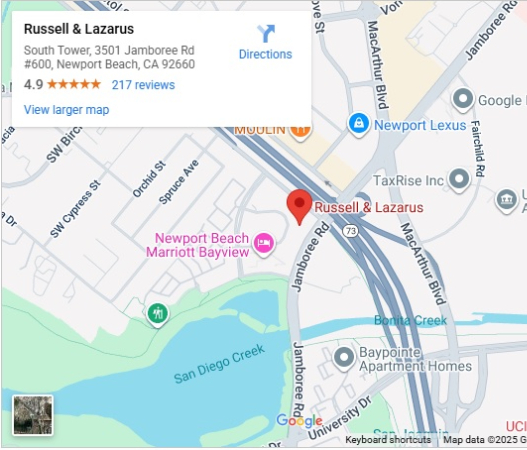
South Tower, 3501 Jamboree Rd #600,
Newport Beach, CA 92660
Phone: (951) 485-4000
Toll-Free: (877) 789-4878
Grandville Executive Suites
7121 Magnolia Ave., #V3
Riverside, CA 92504
Phone: (949) 426-7299
Toll-Free: (877) 789-4878
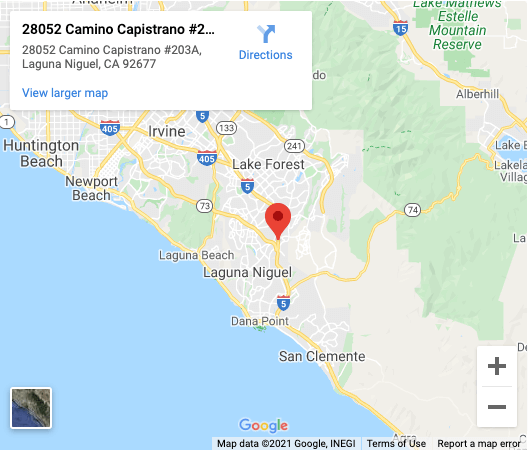
28052 Camino Capistrano, Suite 203A
Laguna Niguel, CA 92677
Phone: (949) 309-0990
Toll-Free: (877) 789-4878
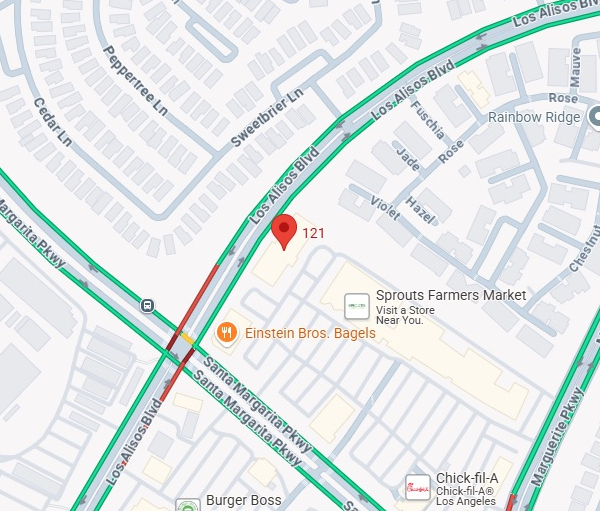
27725 Santa Margarita Parkway, Suite 121 Mission Viejo, CA 92691