Boating Accidents
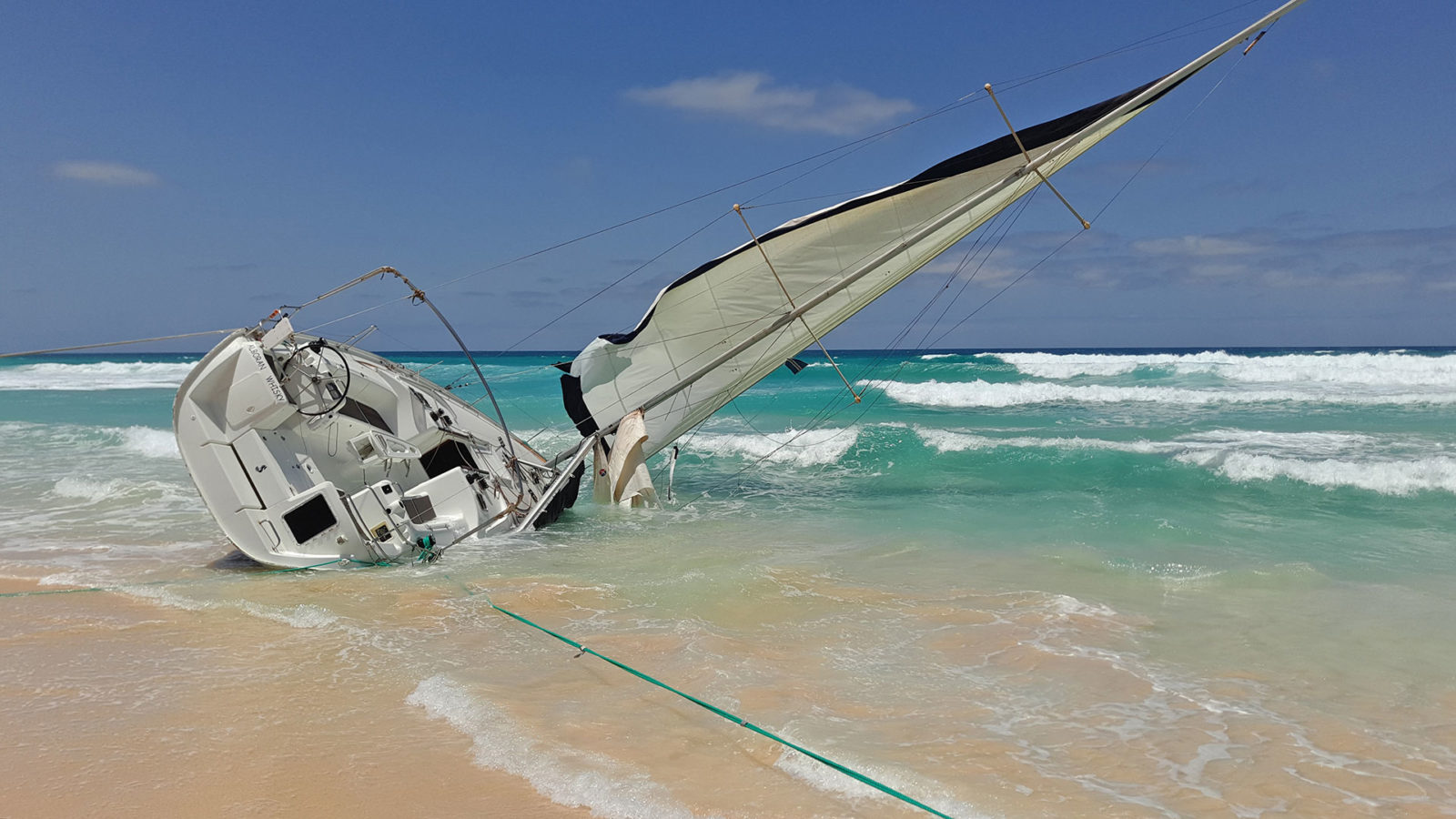
California offers some of the country’s most active recreational boating environments, from Newport Harbor, Dana Point Harbor, Long Beach Harbor, and San Diego Bay to Lake Perris, Lake Elsinore, Folsom Lake, the Sacramento River, and the Sacramento-San Joaquin Delta. Unfortunately, crowded waterways, inexperienced operators, excessive speed, alcohol use, equipment failures, and unsafe boating practices can turn a recreational outing into a serious or fatal accident.
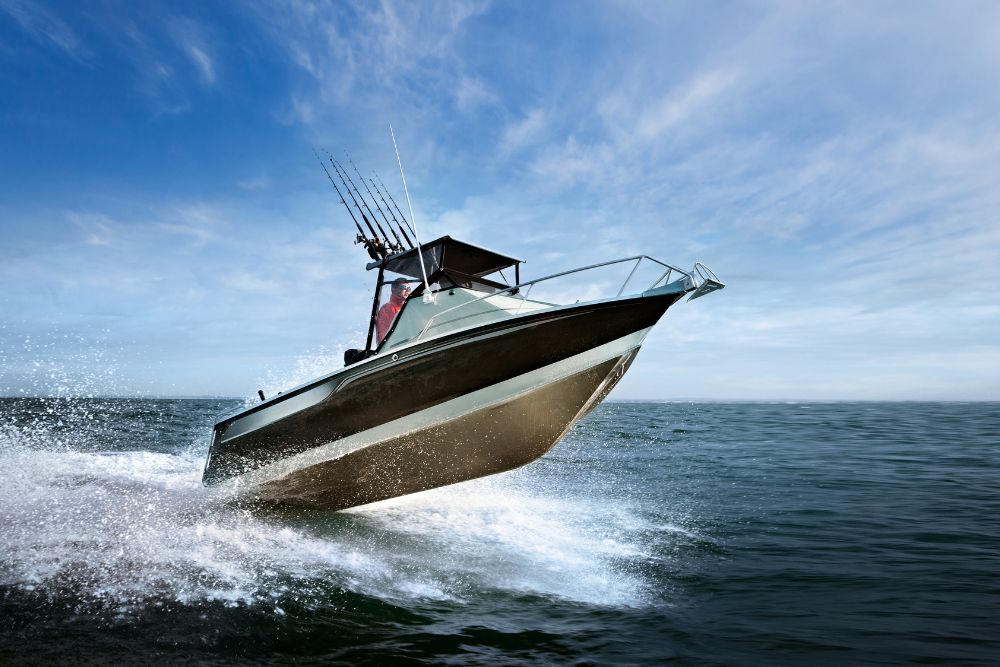
If you were injured in a boat accident, Jet Ski crash, watercraft collision, passenger accident, propeller injury, or other boating incident, determining who was responsible can require much more than filing an ordinary insurance claim. California boating accidents may involve state negligence law, federal maritime law, vessel owners, commercial operators, rental companies, manufacturers, insurance companies, and government agencies.
Russell & Lazarus APC represents injured individuals and families throughout California. Our California boating accident attorneys serve clients through offices in Newport Beach, Mission Viejo, Long Beach, Riverside, Laguna Niguel, Fullerton, Sacramento, and San Diego.
If another person’s negligence or unsafe vessel operation caused your injuries, contact Russell & Lazarus for a complimentary case evaluation.
What Is a California Boating Accident Claim?
A boating accident claim can arise when a boat operator, vessel owner, rental company, charter operator, manufacturer, maintenance company, or another responsible party causes an injury through negligence, unsafe operation, defective equipment, or other legally actionable conduct.
Boating accident claims may involve recreational boats as well as commercial or passenger vessels. The type of vessel and the exact location where the accident occurred can affect which California or federal laws apply.
Common boating and watercraft cases include:
- Boat-to-boat collisions
- Jet Ski and personal watercraft accidents
- Passenger injuries aboard boats
- People falling overboard
- Drowning and near-drowning accidents
- Propeller injuries
- Boat collisions with docks, piers, buoys, or other fixed objects
- Capsizing accidents
- Water skiing accidents
- Wakeboarding and tubing accidents
- Rental boat accidents
- Charter boat accidents
- Commercial vessel accidents
- Boat fires and explosions
- Defective boat and marine equipment accidents
What Causes Boating Accidents in California?
Safe boating requires operators to monitor vessel traffic, speed, weather, visibility, water depth, navigational hazards, swimmers, personal watercraft, and changing conditions on the water.
California Harbors and Navigation Code Section 655 prohibits using a vessel, water skis, an aquaplane, or similar equipment in a reckless or negligent manner that endangers another person’s life, limb, or property.
Common causes of California boating accidents include:
- Operating a boat at an unsafe speed
- Failure to maintain a proper lookout
- Failure to yield to another vessel
- Distracted boat operation
- Boating under the influence of alcohol or drugs
- Inexperienced or inadequately trained operators
- Unsafe turns or sudden maneuvers
- Failure to reduce speed in congested areas
- Unsafe operation around swimmers
- Failure to account for weather or water conditions
- Overloading a vessel
- Failure to provide appropriate safety equipment
- Dangerous wakes
- Mechanical or steering failure
- Defective boating equipment
- Improper vessel maintenance
Several factors may contribute to the same boating accident. For example, a negligent operator may be traveling too fast while a mechanical problem makes the vessel even more difficult to control.
Boating Under the Influence Accidents in California
Alcohol and boating can be a dangerous combination. Boat operators must make rapid decisions involving navigation, distance, vessel traffic, waves, weather, and other hazards. Alcohol and drugs can impair reaction time, judgment, coordination, balance, and situational awareness.
Under California Harbors and Navigation Code Section 655, a person may not operate a vessel while under the influence of alcohol, drugs, or a combination of both.
California law also prohibits operating a recreational vessel with a blood-alcohol concentration of 0.08 percent or greater. Different limits apply to certain non-recreational vessels.
Evidence in a boating-under-the-influence accident may include law enforcement reports, chemical testing, witness statements, photographs, videos, receipts, marina surveillance footage, and statements made by the operator after the accident.
Newport Beach Boating Accident Lawyers
Newport Beach is one of Southern California’s most active boating communities and is an especially important geographic focus for Russell & Lazarus. Newport Harbor contains sailboats, powerboats, yachts, fishing vessels, charter boats, electric boats, paddlecraft, and other recreational watercraft throughout the year.
Boating activity around Newport Harbor, Balboa Island, Balboa Peninsula, Lido Isle, Newport Coast, Corona del Mar, and Upper Newport Bay can create situations where recreational vessels, commercial operators, swimmers, paddleboarders, kayakers, and other water users share congested areas.
Newport Harbor boating accidents may involve:
- Boat collisions inside Newport Harbor
- Unsafe speed or wake violations
- Docking and marina accidents
- Yacht and charter boat injuries
- People falling overboard
- Alcohol-related boating accidents
- Propeller injuries
- Collisions involving paddleboards or kayaks
- Defective marine equipment
- Accidents occurring while entering or leaving the harbor
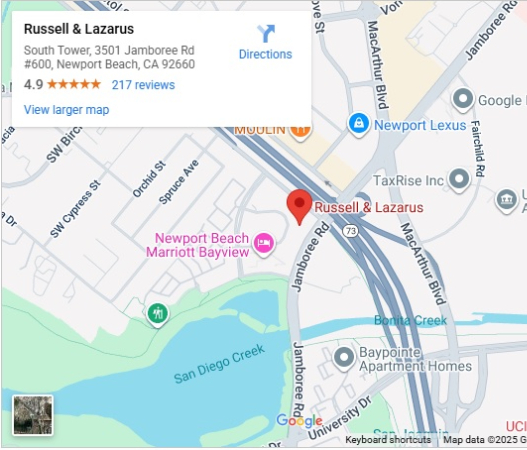
Russell & Lazarus’ Newport Beach personal injury office is located at South Tower, 3501 Jamboree Road, Suite 600, Newport Beach, California 92660.
Jet Ski and Personal Watercraft Accidents
Personal watercraft can accelerate quickly and maneuver sharply while providing riders almost no physical protection. A Jet Ski or similar personal watercraft accident can therefore cause severe injuries even when the collision occurs at speeds that might produce less serious injuries inside a passenger vehicle.
Jet Ski accidents may be caused by:
- Excessive speed
- Operator inexperience
- Unsafe turns
- Failure to maintain a lookout
- Following another watercraft too closely
- Alcohol or drug impairment
- Collisions with boats or docks
- Wake jumping
- Steering or throttle problems
- Rental company negligence
- Defective equipment
A personal watercraft claim may involve the operator, owner, rental business, manufacturer, or another party depending on how the accident occurred.
Rental Boat and Jet Ski Accidents
California’s coastal destinations, lakes, and harbors contain businesses that rent boats and personal watercraft to the public. Rental accidents can present additional legal questions because the injured person may have little knowledge about the vessel’s maintenance history or mechanical condition.
Potential issues include whether the rental company:
- Properly maintained the vessel
- Provided required safety equipment
- Provided appropriate operating instructions
- Knew about mechanical problems
- Properly inspected the vessel before rental
- Complied with applicable California boating requirements
Rental agreements, waivers, inspection documents, maintenance records, electronic reservation records, photographs, and the actual vessel can all become important evidence.
Charter Boat and Commercial Vessel Accidents
Boating injuries may also occur aboard fishing charters, sightseeing vessels, excursion boats, yachts, passenger boats, and other commercially operated watercraft.
A commercial vessel accident can involve questions regarding the captain or crew, vessel owner, charter business, maintenance company, employer, equipment manufacturer, or other parties.
Commercial vessel cases may also raise federal maritime-law issues that differ from an ordinary recreational boating case.
The exact type of vessel, purpose of the voyage, location of the accident, and relationship between the passenger and operator should be identified early in the investigation.
What Is the California Boater Card?
California now requires motorized-vessel operators subject to the law to complete approved boating safety education and obtain a California Boater Card. Beginning January 1, 2025, the requirement expanded to operators regardless of age, subject to statutory exemptions.
The California Boater Card requirement is designed to promote knowledge of boating safety and California’s rules of the water.
Whether an operator possessed a Boater Card does not by itself determine responsibility for an accident. An operator with a card can still behave negligently, while the specific legal significance of an operator’s failure to comply with boating requirements depends on the circumstances of the accident.
California Life Jacket Requirements and Boating Injuries
Life jackets can become an important issue in accidents involving capsizing, people falling overboard, personal watercraft, water skiing, and drowning.
California generally requires every child under 13 years of age aboard a moving recreational vessel to wear a Coast Guard-approved life jacket that is appropriate for the child’s size and activity, subject to specified exceptions.
Life jacket requirements also apply to various personal watercraft and towing activities.
Failure to wear a life jacket does not automatically determine who caused the underlying boat collision. However, insurance companies may attempt to raise life-jacket use as an issue when evaluating drowning or water-related injuries.
Passenger Injuries on Boats
A boat passenger may be injured even when the vessel does not completely capsize or collide with another boat.
Unsafe operation can throw passengers against seats, railings, decks, windshields, consoles, or other passengers.
Passenger injuries may result from:
- Excessive speed
- Sudden turns
- Collisions
- Large wakes
- Unsafe passenger placement
- Slippery decks
- Missing or defective railings
- Improperly secured equipment
- Falls while boarding or leaving the vessel
A passenger generally does not control how another person operates the boat. Evidence concerning the vessel operator’s conduct can therefore be particularly important.
People Falling Overboard
A person may be thrown or fall overboard because of excessive speed, a collision, sudden turn, wake impact, slippery surface, inadequate railing, unsafe passenger positioning, or another dangerous condition.
Once someone enters the water, the situation can quickly become life-threatening. A person may already be unconscious or injured, may not know how to swim, or may encounter waves, currents, cold water, other vessels, or propellers.
California law imposes duties on vessel operators involved in accidents to provide practical and necessary assistance when it can be done without serious danger to their own vessel, crew, or passengers.
Propeller Accident Injuries
Propeller injuries are among the most devastating injuries associated with boats and watercraft.
A propeller can cause:
- Deep lacerations
- Severe blood loss
- Nerve damage
- Tendon and muscle injuries
- Broken bones
- Internal injuries
- Amputations
- Permanent scarring
- Death
A propeller accident investigation may examine whether the boat operator knew someone was in the water, whether the engine should have been shut off, whether passengers were properly instructed, and whether a mechanical or design defect contributed to the accident.
Drowning and Near-Drowning Boating Accidents
A boating accident can become especially serious when an injured person is submerged. Even when a person survives, oxygen deprivation can cause severe neurological injuries.
A near-drowning victim may experience brain injury, memory problems, cognitive limitations, respiratory complications, neurological impairment, or permanent disability.
Medical records concerning oxygen levels, resuscitation, intensive care, neurological evaluation, imaging, and rehabilitation can become significant evidence in a serious boating accident claim.
Families dealing with severe neurological injuries can learn more through the Russell & Lazarus Brain and Spinal Cord Injury resource.
Water Skiing, Wakeboarding, and Tubing Accidents
Water skiing, wakeboarding, tubing, and other tow sports can expose participants to substantial speeds with limited protection.
Accidents can occur when a boat operator:
- Travels too fast
- Makes an unsafe turn
- Passes too close to another vessel
- Approaches a dock or shoreline unsafely
- Fails to recognize shallow water or underwater hazards
- Ignores weather or wake conditions
Defective ropes, tow points, bindings, tubes, boards, skis, and other equipment can also contribute to injuries.
Defective Boats and Marine Equipment
Some boating accidents occur not because of operator error but because the boat or one of its components fails unexpectedly.
Potential defects may involve:
- Steering systems
- Engines
- Throttle controls
- Fuel systems
- Electrical systems
- Hull structures
- Propellers
- Seats and railings
- Flotation equipment
- Navigation systems
If defective equipment contributed to the accident, claims may potentially involve a boat manufacturer, component manufacturer, distributor, repair company, or another responsible party.
Learn more about defective-product claims through the Russell & Lazarus Product Liability Attorney page.
Who Can Be Liable for a California Boating Accident?
Determining liability is one of the most important parts of a boating accident investigation.
Potentially responsible parties can include:
- The boat operator
- The vessel owner
- A charter boat operator
- A boat rental company
- A commercial boating business
- An operator’s employer
- A vessel manufacturer
- A marine component manufacturer
- A maintenance or repair business
- Another vessel operator
- A marina or other responsible property operator
More than one party may share responsibility. A collision might involve negligent operation by one boat while defective equipment on another vessel contributes to the injuries.
What Evidence Can Help Prove a Boating Accident Claim?
Boating accident evidence can disappear quickly. Vessels may be repaired, rental boats may immediately return to service, electronic data can be overwritten, and weather or water conditions may change within hours.
Important evidence may include:
- Photographs and videos of the vessels
- Damage to each watercraft
- Witness statements
- Harbor patrol or law enforcement reports
- California boating accident reports
- Marina surveillance video
- GPS and chartplotter data
- Engine-management data
- Marine radio communications
- Cell phone photographs and videos
- Rental agreements
- Charter documents
- Maintenance and repair records
- Weather and water-condition information
- Medical records
- Employment and wage records
When a mechanical failure is suspected, the boat and damaged components may need to be inspected by qualified experts before repairs are performed.
What Should You Do After a Boating Accident in California?
The first priority after a serious boating accident should be protecting human life and obtaining emergency assistance.
Depending on where the accident occurs, assistance may come from 911, harbor patrol, local sheriff’s marine units, lifeguards, fire departments, or the United States Coast Guard.
When it can be done safely, important steps include:
- Help injured people get to safety
- Request emergency assistance
- Obtain medical treatment
- Identify the other boat operator and owner
- Obtain vessel registration information
- Obtain available insurance information
- Take photographs of vessel damage
- Photograph the accident location
- Identify witnesses
- Preserve damaged equipment
- Save rental, charter, or marina documents
- Determine whether a California boating accident report is required
When Must a Boating Accident Be Reported in California?
California requires boat owners or operators to report qualifying accidents to the California State Parks Division of Boating and Waterways.
A report is currently required when an accident results in:
- Death
- Disappearance of a person
- Injury requiring medical attention beyond first aid
- Damage to a vessel or other property exceeding $500
- Complete loss of a vessel regardless of value
A report generally must be submitted within 48 hours when the accident involves a death occurring within 24 hours, disappearance of a person, or an injury requiring treatment beyond first aid.
Other reportable accidents generally must be reported within 10 days, including specified property-damage accidents and deaths occurring more than 24 hours after the accident.
These administrative reporting requirements are different from the deadline for filing a personal injury lawsuit.
Do Boat Operators Have a Duty to Help Injured People?
Yes. California Harbors and Navigation Code Section 656 requires an operator involved in a collision, accident, or other casualty to provide practical and necessary assistance to affected people when doing so does not create serious danger to the operator’s own vessel, crew, or passengers.
California law also requires operators involved in qualifying injury accidents to provide identifying information and reasonable assistance, which can include transportation for medical treatment when required or requested and when it can be provided safely.
How Does Boat Insurance Affect a Claim?
Insurance issues after a boating accident can differ significantly from ordinary automobile insurance.
Potential coverage may exist through:
- Watercraft insurance
- Yacht insurance
- Commercial marine policies
- Rental company insurance
- Charter operator coverage
- Umbrella liability policies
- Other applicable insurance policies
The existence and amount of coverage depend on the vessel, owner, operator, policy language, accident location, and other circumstances.
A serious boating injury should therefore be investigated before assuming that only one insurance policy is available.
Does Maritime Law Apply to California Boating Accidents?
Sometimes. A boating accident occurring on navigable waters may involve federal admiralty or maritime law in addition to or instead of certain California laws.
Maritime law can affect negligence standards, vessel-owner issues, procedural rules, commercial vessel claims, and other aspects of a boating accident case.
Whether maritime jurisdiction applies can depend on:
- Where the accident occurred
- Whether the waterway is navigable
- The type of vessel involved
- The nature of the boating activity
- Whether the vessel was recreational or commercial
For this reason, an accident in Newport Harbor, Long Beach Harbor, San Diego Bay, offshore Pacific waters, an inland lake, or a private body of water may not necessarily present identical legal issues.
What Injuries Can Boating Accidents Cause?
Boating accidents can cause injuries during the initial impact and additional injuries if someone falls into the water.
Common serious boating injuries include:
- Traumatic brain injuries
- Concussions
- Spinal cord injuries
- Neck and back injuries
- Broken bones
- Internal organ injuries
- Severe lacerations
- Propeller injuries
- Nerve damage
- Amputations
- Burn injuries
- Crush injuries
- Near-drowning injuries
- Brain damage caused by oxygen deprivation
- Paralysis
- Permanent disability
People suffering life-changing injuries can review the Russell & Lazarus Brain and Spinal Cord Injury and Catastrophic Injury resources.
What Compensation Can Be Recovered After a Boating Accident?
There is no standard value for a boating accident claim. Compensation depends on the severity of the injuries, responsible parties, applicable law, insurance coverage, future medical needs, lost income, and other circumstances.
Potential damages may include:
- Emergency medical care
- Hospitalization
- Surgery
- Diagnostic testing
- Physical therapy and rehabilitation
- Medication
- Future medical treatment
- Lost wages
- Loss of future earning capacity
- Property damage
- Physical pain
- Emotional distress
- Loss of normal activities
- Scarring and disfigurement
- Permanent disability
The appropriate damages must be supported by the facts and evidence of the particular case.
California Wrongful Death Claims After Fatal Boating Accidents
Boat collisions, drowning accidents, people falling overboard, propeller injuries, fires, capsizing, and intoxicated boating can result in fatal injuries.
When negligence or another wrongful act causes a death, qualifying family members may potentially pursue a wrongful death claim.
Wrongful death damages may include legally recoverable losses involving financial support, funeral and burial expenses, household services, companionship, care, assistance, protection, and guidance.
Federal maritime wrongful death principles may also need to be considered when a fatal accident occurs on qualifying navigable waters.
Families can learn more through the Russell & Lazarus Wrongful Death Attorneys resource.
How Long Do You Have to File a Boating Accident Lawsuit in California?
California Code of Civil Procedure Section 335.1 generally provides a two-year limitations period for many actions involving personal injury or death caused by the wrongful act or neglect of another.
However, boating accident deadlines can be more complicated than an ordinary California motor vehicle claim.
Different rules may apply when a claim involves:
- Federal maritime law
- A commercial passenger vessel
- A government agency
- An accident outside California
- A minor
- A defective marine product
- Other specialized defendants or circumstances
An injured person should not assume that every boating accident has exactly the same deadline. Early investigation is also important because vessels can be repaired and electronic or video evidence can disappear long before a statute of limitations expires.
Boating Accident Attorneys Serving California’s Major Waterways
Russell & Lazarus serves clients throughout California through eight office locations. The firm’s geographic coverage is particularly relevant to boating claims because serious accidents may occur far from the injured person’s home.
Newport Beach and Newport Harbor Boating Accidents
Russell & Lazarus’ Newport Beach office serves people injured in Newport Harbor boating accidents, yacht accidents, personal watercraft crashes, charter boat incidents, paddlecraft collisions, and other water-related injuries in Newport Beach and coastal Orange County.
Important local boating areas include Newport Harbor, Balboa Island, Balboa Peninsula, Lido Isle, Corona del Mar, Newport Coast, and Upper Newport Bay.
Learn more about our Newport Beach personal injury office.
Mission Viejo and South Orange County Boating Accidents
Our Mission Viejo office serves Mission Viejo, Lake Forest, Rancho Santa Margarita, Ladera Ranch, Aliso Viejo, Laguna Hills, and other South Orange County communities. Residents frequently access boating and water recreation through nearby coastal harbors and Southern California lakes.
Cases may involve private boats, Jet Skis, rental watercraft, water skiing, wakeboarding, charter boats, or serious injuries occurring on other California waterways.
Learn more about our Mission Viejo office.
Long Beach Harbor and Alamitos Bay Boating Accidents
Long Beach has one of California’s most active maritime environments. Recreational boaters share the region with commercial vessels, passenger vessels, charter operators, fishing boats, kayaks, paddlecraft, and other marine traffic.
Boating accidents may occur around Long Beach Harbor, Alamitos Bay, Rainbow Harbor, Naples, Shoreline Marina, and nearby Pacific coastal waters.
Because Long Beach combines recreational and commercial maritime activity, boating cases in this area may raise particularly important maritime-law questions.
Learn more about our Long Beach personal injury office.
Riverside County Boating Accidents
Russell & Lazarus’ Riverside office serves people injured in boating and personal watercraft accidents throughout Riverside County and the Inland Empire.
Popular regional boating destinations include Lake Perris and Lake Elsinore, where recreational powerboats, fishing vessels, personal watercraft, water skiing, wakeboarding, and other activities can result in serious accidents.
Inland lake accidents may present different jurisdictional issues from collisions occurring on coastal navigable waterways.
Learn more about our Riverside personal injury office.
Laguna Niguel and Dana Point Harbor Boating Accidents
Our Laguna Niguel office serves Laguna Niguel, Dana Point, Laguna Beach, Laguna Hills, Aliso Viejo, San Juan Capistrano, and surrounding South Orange County communities.
Nearby Dana Point Harbor provides access to recreational boating, sailing, sport fishing, charter operations, kayaking, paddleboarding, and offshore Pacific waters.
Potential claims may involve private vessels, commercial charters, Jet Skis, defective marine equipment, people falling overboard, or negligent vessel operation.
Learn more about our Laguna Niguel office.
Fullerton and North Orange County Boating Accident Claims
Although Fullerton is inland, Russell & Lazarus’ Fullerton office serves North Orange County residents injured in boating accidents throughout Southern California.
Clients from Fullerton, Anaheim, Brea, Buena Park, La Habra, Placentia, and neighboring communities may be injured while boating in Newport Beach, Huntington Harbour, Long Beach, Dana Point, inland lakes, or other California waterways.
A person’s residence does not determine where a boating accident claim must be investigated. The waterway, vessel, responsible parties, and applicable law may all be located elsewhere.
Learn more about our Fullerton personal injury office.
Sacramento River and Northern California Boating Accidents
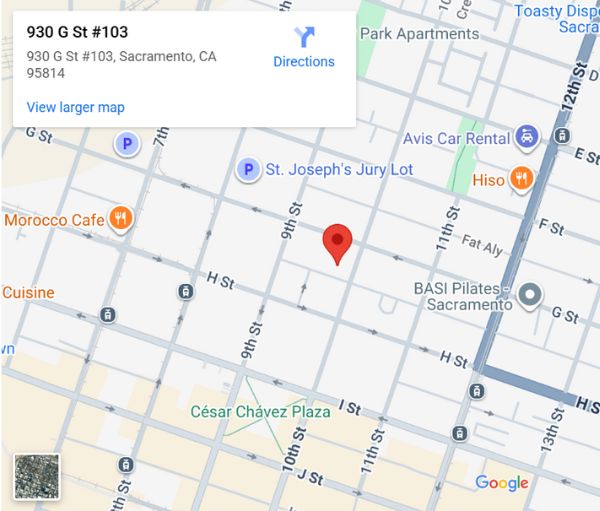
Russell & Lazarus’ Sacramento office serves injured boaters throughout Sacramento and Northern California.
Major regional recreational waterways include the Sacramento River, American River, Folsom Lake, and Sacramento-San Joaquin Delta.
Accidents may involve fishing boats, powerboats, personal watercraft, water skiing, wakeboarding, river traffic, submerged hazards, currents, speed, intoxicated operation, and equipment failures.
Learn more about our Sacramento personal injury office.
San Diego Bay and Mission Bay Boating Accidents
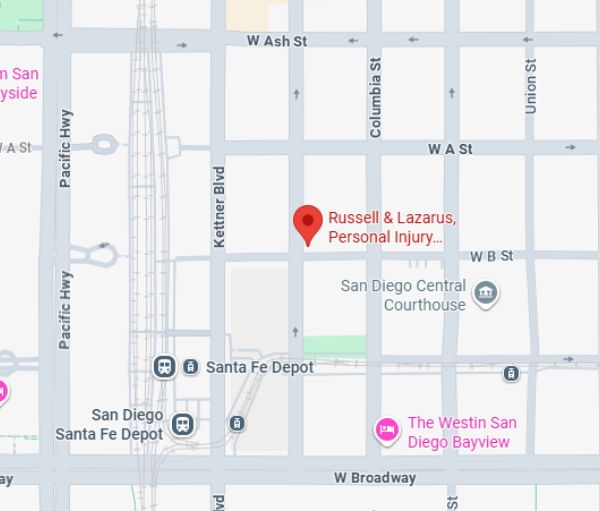
San Diego County has extensive recreational and commercial boating activity. Russell & Lazarus serves clients throughout San Diego, Carlsbad, Chula Vista, Coronado, Del Mar, Encinitas, Imperial Beach, National City, Oceanside, Solana Beach, and other San Diego County communities.
Major boating areas include San Diego Bay, Mission Bay, Oceanside Harbor, Shelter Island, Harbor Island, and Pacific coastal waters.
San Diego boating accidents may involve powerboats, sailboats, yachts, personal watercraft, charter vessels, fishing boats, commercial vessels, kayaks, paddleboards, and other marine traffic.
Learn more about our San Diego personal injury office.
Why Boating Accident Claims Require a Thorough Investigation
A boating accident may initially appear straightforward, but important legal and technical questions can emerge quickly.
A complete investigation may need to determine:
- Who owned the vessel?
- Who was operating it?
- Was the operator impaired?
- Was the operator traveling too fast?
- Was a proper lookout maintained?
- Did another vessel violate navigation rules?
- Was the boat properly maintained?
- Did steering, throttle, engine, or other equipment fail?
- Was the vessel rented or commercially operated?
- What insurance policies apply?
- Does California law or federal maritime law govern the claim?
Russell & Lazarus also handles related product liability, brain and spinal cord injury, catastrophic injury, and wrongful death matters that may arise from serious boating accidents.
Contact a California Boating Accident Attorney
A serious boating accident can involve complicated questions involving negligence, vessel ownership, alcohol use, rental companies, commercial operators, defective equipment, marine insurance, California boating laws, federal maritime law, drowning injuries, and wrongful death.
Russell & Lazarus APC serves boating accident victims throughout California through offices in Newport Beach, Mission Viejo, Long Beach, Riverside, Laguna Niguel, Fullerton, Sacramento, and San Diego.
If you were seriously injured or lost a family member in a boating accident, contact Russell & Lazarus for a complimentary case evaluation or call (877) 789-4878.
FAQs
1. What should I do after a boating accident in Newport Beach or elsewhere in California?
Get injured people to safety, request emergency assistance, obtain medical care, identify the boat operator and owner, collect vessel registration and insurance information, photograph the vessels and accident area when it is safe to do so, obtain witness information, preserve damaged equipment, and determine whether the accident must be reported to the California Division of Boating and Waterways.
2. When do I have to report a boating accident in California?
A boating accident generally must be reported when it results in death, disappearance, an injury requiring medical attention beyond first aid, property or vessel damage exceeding $500, or complete loss of a vessel. Certain serious accidents must be reported within 48 hours, while other qualifying accidents generally must be reported within 10 days.
3. Who is responsible for a boat collision in Newport Harbor?
Responsibility depends on how the collision occurred. A Newport Harbor boating accident may involve an operator who was speeding, failed to maintain a proper lookout, failed to yield, operated while impaired, or otherwise acted negligently. Vessel owners, commercial operators, rental companies, maintenance companies, or manufacturers may also potentially be responsible depending on the circumstances.
4. Can I make a claim after a Jet Ski accident in California?
Potentially. A Jet Ski or personal watercraft accident may involve negligent operation, another vessel, a rental company, mechanical failure, defective equipment, excessive speed, or boating under the influence. Claims may occur in Newport Harbor, Dana Point, Long Beach, San Diego, California lakes, or other waterways.
5. Can a rental boat company be responsible for my injuries?
Potentially. A rental business may need to be investigated when an accident involves poor maintenance, known mechanical problems, inadequate safety equipment, improper instructions, or another condition connected with the rented vessel. The rental agreement and waiver should be preserved for review.
6. Is boating under the influence illegal in California?
Yes. California prohibits operating a vessel while under the influence of alcohol or drugs. For recreational vessels, California law also prohibits operation with a blood-alcohol concentration of 0.08 percent or greater.
7. Does maritime law apply to Newport Beach, Long Beach, or San Diego boating accidents?
It may. Boating accidents occurring on qualifying navigable waters can involve federal admiralty or maritime law. Accidents in Newport Harbor, Long Beach Harbor, San Diego Bay, and Pacific coastal waters may therefore require analysis of both federal maritime principles and applicable California law. The specific location and type of vessel are important.
8. What compensation can I recover after a California boating accident?
Depending on the case, compensation may include medical expenses, future treatment, lost wages, reduced earning capacity, property damage, physical pain, emotional distress, scarring, disfigurement, permanent disability, and other legally recoverable losses. Fatal boating accidents may also result in wrongful death claims.
9. How long do I have to file a boating accident lawsuit in California?
California generally provides a two-year limitations period for many personal injury actions, but boating claims can involve different deadlines when federal maritime law, commercial vessels, public entities, minors, or other specialized circumstances are involved. A boating accident should therefore be evaluated promptly rather than relying automatically on the general two-year rule.
10. Where does Russell & Lazarus handle boating accident cases?
Russell & Lazarus serves boating accident clients throughout California through offices in Newport Beach, Mission Viejo, Long Beach, Riverside, Laguna Niguel, Fullerton, Sacramento, and San Diego. The firm’s geographic coverage includes boating areas such as Newport Harbor, Dana Point Harbor, Long Beach Harbor, Lake Perris, Lake Elsinore, the Sacramento River, Folsom Lake, San Diego Bay, Mission Bay, and other California waterways.



Locations
Phone: (949) 851-0222
Toll-Free: (877) 789-4878
South Tower, 3501 Jamboree Rd #600,
Newport Beach, CA 92660
Phone: (951) 485-4000
Toll-Free: (877) 789-4878
Grandville Executive Suites
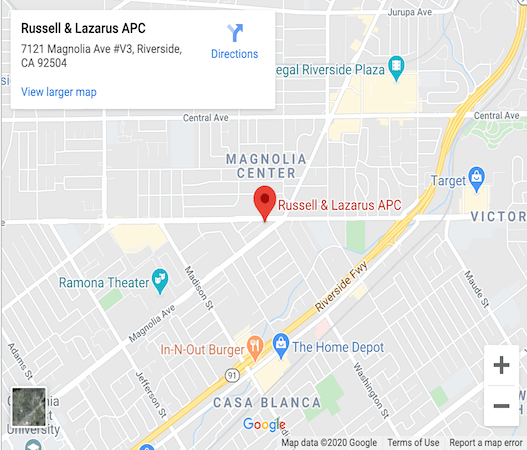
7121 Magnolia Ave., #V3
Riverside, CA 92504
Phone: (949) 426-7299
Toll-Free: (877) 789-4878
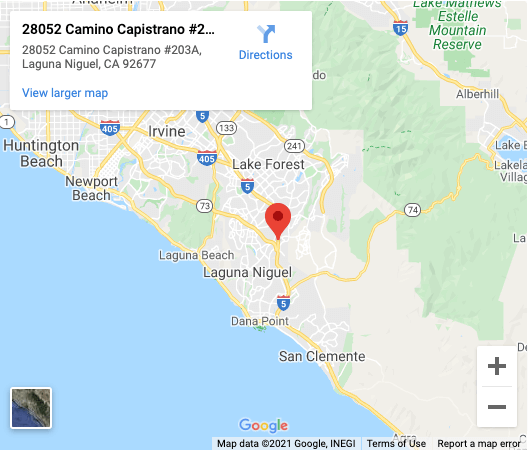
28052 Camino Capistrano, Suite 203A
Laguna Niguel, CA 92677
Phone: (949) 309-0990
Toll-Free: (877) 789-4878
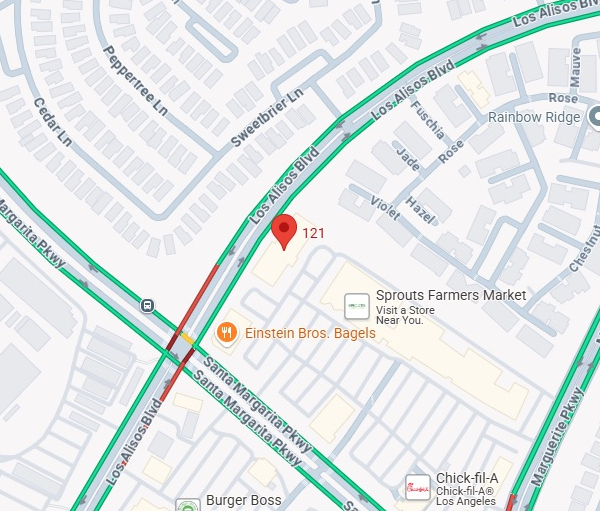
27725 Santa Margarita Parkway, Suite 121 Mission Viejo, CA 92691