
Juror Motivation in Personal Injury Trials
Juror motivation plays a major role in how personal injury trials turn out. Jurors are ordinary people who bring their own values, experiences, and sense of fairness into the courtroom. A Riverside personal injury lawyer who understands what jurors care about can present the evidence in a way that is clear, credible, and persuasive.
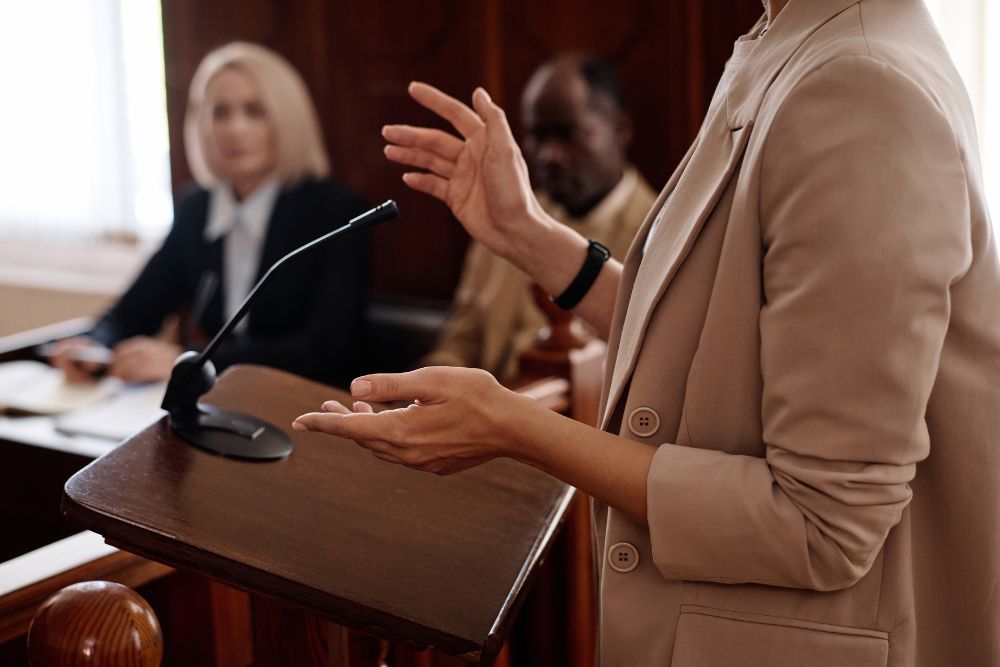
This guide explains what tends to motivate jurors in civil injury cases, the rules that shape what jurors hear, and how attorneys prepare cases with the jury in mind.
What standard do jurors apply in a personal injury case?
In most California civil cases, the injured person must prove their claims by a preponderance of the evidence, which means it is more likely true than not true. This is a lower standard than the beyond a reasonable doubt standard used in criminal cases. Jurors are instructed on the law by the judge using California’s civil jury instructions and must base their decision on the evidence presented in court.
What motivates jurors?
- A clear story. Jurors understand cases best when the facts are presented in a logical order that explains what happened and why.
- Credibility. Jurors closely watch how witnesses answer questions. Consistent, honest testimony matters more than polished speaking.
- Fairness and responsibility. Jurors generally want people and businesses to follow reasonable safety rules and take responsibility when they do not.
- Community safety. Evidence that a defendant broke a safety rule, such as running a red light or ignoring a known hazard, resonates with jurors who use the same roads and stores.
- Concrete proof of harm. Medical records, testimony from treating doctors, and accounts from family and coworkers help jurors understand how an injury changed someone’s life.
- Respect for their time. Jurors appreciate focused presentations that avoid unnecessary repetition.
What are jurors not allowed to consider?
| Topic | General rule |
|---|---|
| Liability insurance | Evidence that a person had liability insurance is generally not admissible to prove negligence under Evidence Code section 1155 |
| Attorney fees and costs | Jurors are instructed not to consider attorney fees or court costs when deciding damages |
| Sympathy and prejudice | Jurors must not decide the case based on sympathy, bias, or public opinion |
| Outside research | Jurors may not investigate the case, visit the scene, or research it online on their own |
| Settlement discussions | Offers to compromise are generally not admissible to prove liability |
How do attorneys prepare a case with jurors in mind?
Preparation starts long before trial. Attorneys organize evidence into a clear timeline, use visual aids such as photos, diagrams, and animations, prepare witnesses to testify truthfully and naturally, and retain experts who can explain technical issues in plain language. During jury selection, attorneys ask questions to identify potential jurors who may have biases that would keep them from being fair.
California courts may also allow jurors to submit written questions for witnesses, which gives attorneys insight into what jurors are thinking during trial.
Why does understanding jurors matter even if a case settles?
Insurance companies evaluate claims based on how they expect a jury to react. A well-prepared case that would resonate with jurors carries more settlement value. Read more about the trial process in our guide to what to expect in a car accident trial.
Talk With a Riverside Personal Injury Lawyer
Russell & Lazarus APC prepares injury cases with the jury in mind from day one. Our Riverside office serves clients throughout the Inland Empire, and we also have offices in Fullerton, Laguna Niguel, Long Beach, Mission Viejo, Newport Beach, Sacramento, and San Diego.
Call (877) 789-4878 or request a free case review.
FAQs
1. What burden of proof applies in a personal injury trial?
Usually a preponderance of the evidence, meaning the claim is more likely true than not.
2. Will the jury know the defendant has insurance?
Generally no. Evidence of liability insurance is usually not admissible to prove negligence.
3. Can jurors ask questions during a trial?
California courts may allow jurors to submit written questions, which the judge reviews before they are asked.
4. Do jurors consider attorney fees when awarding damages?
No. Jurors are instructed not to consider attorney fees or costs.
5. How many jurors must agree on a civil verdict in California?
At least three-fourths of the jurors, usually nine of twelve.
This article provides general information about California law as of November 1, 2026. Liability, insurance coverage, and deadlines depend on the facts of each case.