Train Accidents
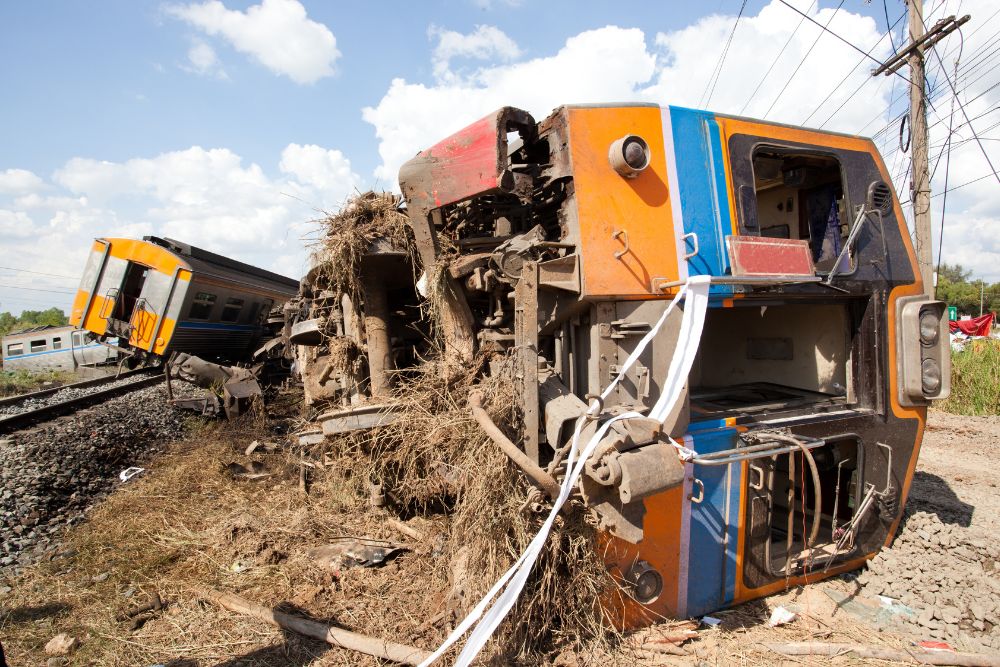
Train accidents can cause devastating injuries because passenger trains, commuter rail vehicles, light rail systems, and freight trains operate with enormous weight and momentum. A derailment, railroad crossing collision, pedestrian accident, equipment failure, or passenger injury can result in traumatic brain injuries, spinal cord damage, fractures, internal injuries, permanent disability, or wrongful death.
Russell & Lazarus APC represents individuals and families affected by serious train and railroad accidents throughout California. Our California train accident lawyers investigate incidents involving passenger trains, Metrolink, light rail, commuter rail, freight trains, railroad crossings, pedestrians, bicyclists, vehicles, defective equipment, dangerous station conditions, and other rail-related accidents.
With offices in Newport Beach, Mission Viejo, Long Beach, Riverside, Laguna Niguel, Fullerton, Sacramento, and San Diego, the firm serves people injured in rail accidents throughout Southern California, Northern California, Orange County, Los Angeles County, Riverside County, Sacramento County, San Diego County, and surrounding communities.
California Train Accident Attorneys for Serious Rail Injuries
Train accident cases can be substantially more complicated than ordinary vehicle accidents. A serious rail accident may involve a private railroad company, regional rail operator, public transportation agency, railroad employee, track owner, equipment manufacturer, signal contractor, maintenance company, city, county, or other government entity.
Federal railroad regulations may apply in addition to California personal injury law. Some public transportation cases are also subject to special California government claim requirements with deadlines that can arrive much sooner than the deadline for an ordinary personal injury lawsuit.
A California train accident attorney should therefore investigate not only how the accident occurred but also which organization controlled the train, tracks, station, crossing, warning system, maintenance work, and other conditions involved.
What Types of Train Accident Cases Can Occur in California?
California has one of the largest and most diverse transportation networks in the country. Passenger trains, commuter rail, light rail, freight trains, and intercity rail operate through densely populated cities, residential communities, industrial areas, ports, downtown districts, and major transportation corridors.
Serious rail injury claims may involve:
- Passenger train derailments
- Metrolink accidents
- Amtrak accidents
- Light rail accidents
- Commuter train accidents
- Freight train accidents
- Railroad crossing collisions
- Train and car accidents
- Train and commercial truck accidents
- Pedestrian train accidents
- Bicycle and train collisions
- Train station and platform accidents
- Sudden stop or acceleration injuries
- Train door injuries
- Mechanical and brake failures
- Defective train equipment
- Track and switching failures
- Signal and warning-system failures
- Train fires and electrical accidents
Each type of accident requires a different investigation. A railroad crossing case may focus heavily on warning gates, flashing lights, train speed, visibility, and roadway design, while a derailment may require detailed analysis of tracks, wheels, braking systems, switches, maintenance records, and electronic train data.
What Causes Train Accidents?
Train accidents can result from human error, equipment failure, track defects, inadequate maintenance, signal problems, excessive speed, or several contributing factors occurring at the same time.
Potential causes include:
- Train operator or engineer error
- Excessive train speed
- Operator fatigue
- Failure to obey signals
- Distracted operation
- Improper braking
- Mechanical failures
- Defective brakes
- Defective wheels or axles
- Broken or defective rails
- Improperly maintained tracks
- Switching errors
- Signal-system failures
- Communication problems
- Railroad crossing gate failures
- Improperly maintained warning lights
- Objects or vehicles on the tracks
- Defective train components
- Inadequate employee training
- Improper railroad maintenance procedures
Determining what actually caused a train accident may require reviewing locomotive event recorder information, onboard video, surveillance footage, dispatch communications, track inspection records, maintenance records, warning-device data, operating procedures, and government investigation materials.
Train Derailment Accidents
A train derailment occurs when one or more wheels leave the railroad tracks. Depending on the speed and circumstances, a derailment can involve a single railcar or multiple passenger or freight cars.
Possible causes include defective tracks, damaged rails, switch failures, excessive speed, wheel or axle defects, braking problems, obstructions on the tracks, equipment failure, and improper maintenance.
Passengers inside a derailing train may be thrown from seats, struck by luggage or other objects, trapped inside damaged railcars, or exposed to fires and structural damage.
A derailment investigation may require railroad engineers, mechanical specialists, accident reconstruction experts, and other professionals who can analyze the train, tracks, event data, and sequence of events leading to the crash.
Railroad Crossing Accident Lawyers
Railroad crossings are locations where trains directly interact with cars, commercial trucks, buses, motorcycles, bicycles, and pedestrians. Because trains cannot maneuver around vehicles and require substantial distance to stop, a collision at a railroad crossing can be catastrophic.
Railroad crossing crashes may occur because of:
- Malfunctioning crossing gates
- Defective flashing warning lights
- Inadequate audible warnings
- Poor visibility
- Vegetation obstructing the view of approaching trains
- Unsafe crossing design
- Excessive train speed
- Driver error
- Vehicles becoming trapped on railroad tracks
- Traffic congestion preventing vehicles from clearing tracks
- Signal timing problems
The California Public Utilities Commission’s Rail Crossings and Engineering Branch oversees the safety of highway-rail and pathway-rail crossings throughout California, including crossing design and modifications.
Additional information about California crossing safety is available through the California Public Utilities Commission Rail Crossings and Engineering Branch.
What Does California Law Require at Railroad Crossings?
California Vehicle Code Section 22451 requires motorists and pedestrians to stop under specified conditions when approaching railroad or rail-transit grade crossings, including when active warning devices indicate an approaching train or when a train is plainly visible or audible and constitutes an immediate hazard.
California law also prohibits traveling around, through, or under a closed crossing gate.
A motorist’s conduct is an important part of a crossing investigation, but it is not necessarily the only issue. A California railroad crossing accident lawyer may also investigate the condition of warning devices, sight distance, railroad operations, train speed, crossing maintenance, traffic configuration, and whether another person or organization contributed to the collision.
Metrolink Train Accidents in Southern California
Metrolink provides regional rail service throughout Southern California, including Orange County, Riverside County, Los Angeles County, San Bernardino County, Ventura County, and portions of San Diego County.
Current Metrolink routes serving communities where Russell & Lazarus has offices include the Orange County Line, Inland Empire-Orange County Line, Riverside Line, and 91/Perris Valley Line.
A Metrolink accident may involve passengers, pedestrians, bicyclists, automobile drivers, commercial truck drivers, railroad employees, stations, platforms, grade crossings, or train equipment.
Because Metrolink and related transportation infrastructure can involve public entities, government claim procedures may apply. Identifying the responsible entity early is especially important because California Government Code deadlines can be much shorter than the ordinary personal injury lawsuit deadline.
Passenger Train Injury Claims
Passengers may suffer injuries during derailments, collisions, sudden stops, equipment failures, fires, door malfunctions, platform incidents, or other events occurring while using rail transportation.
California Civil Code Section 2100 states that a carrier of persons for reward must use the utmost care and diligence for safe carriage, provide what is necessary for that purpose, and exercise a reasonable degree of skill.
You can review California Civil Code Section 2100.
Whether this common-carrier standard applies depends on the type of transportation provider and circumstances of the injury. Passenger train claims may also involve federal railroad requirements, public-entity laws, or other specialized rules.
Light Rail and Public Transit Train Accidents
Light rail systems operate through some of California’s busiest urban environments. Unlike many traditional railroad corridors, light rail may travel through street intersections and areas with substantial pedestrian, bicycle, automobile, and transit activity.
Potential light rail accidents include:
- Vehicle collisions
- Pedestrian accidents
- Bicycle accidents
- Passenger falls
- Sudden braking injuries
- Platform accidents
- Door injuries
- Signal failures
- Train-to-train collisions
Public transportation accidents can involve special legal procedures. A city, county, transit district, or other public entity may have to be formally notified of a claim within a relatively short period.
Pedestrian Train Accidents
Pedestrians are among the most vulnerable people involved in railroad accidents. A pedestrian can be seriously injured at a railroad crossing, light rail intersection, train station, platform, or another location where pedestrian routes intersect with rail operations.
A pedestrian train accident investigation may examine:
- Crossing gates and warning lights
- Pedestrian signals
- Fencing
- Visibility
- Train speed
- Audible warnings
- Station or crossing design
- Lighting
- Operator actions
- Whether an authorized crossing was available
When a pedestrian accident involves a motor vehicle rather than a train, additional information is available through the Russell & Lazarus Pedestrian Accident FAQs.
Train and Commercial Truck Accidents
Commercial trucks can create especially dangerous railroad crossing situations because tractor-trailers are substantially longer than passenger vehicles and may require additional time to clear railroad tracks.
A trailer may become stuck on a crossing, a driver may misjudge clearance, or traffic congestion may leave a truck partially positioned on the tracks.
A collision between a freight or passenger train and a commercial truck can injure the truck driver, train passengers, railroad employees, nearby motorists, and pedestrians.
Evidence may include electronic logging devices, GPS records, trucking company communications, locomotive data, crossing surveillance footage, warning-system records, and vehicle information.
Learn more about commercial vehicle claims through the Russell & Lazarus Truck Accident Lawyer resource.
Defective Train Equipment and Product Liability
Train accidents can sometimes result from defective equipment rather than operational error alone.
Potential defects may involve:
- Braking systems
- Wheels
- Axles
- Couplers
- Doors
- Seats
- Electrical systems
- Signal components
- Switching equipment
- Locomotive components
- Railcar structures
A defective-product investigation may focus on whether the equipment contained a manufacturing defect, design defect, inadequate warning, or another legally recognized problem.
Learn more through the Russell & Lazarus Product Liability Attorney page.
Who May Be Responsible for a California Train Accident?
One of the most important parts of a train accident case is identifying every person, company, or public agency that may share responsibility.
Potential parties include:
- The railroad company
- A commuter rail operator
- A public transit agency
- The train engineer or operator
- A railroad track owner
- A track maintenance company
- A signal or crossing contractor
- A train manufacturer
- A component manufacturer
- A vehicle driver
- A trucking company
- A city, county, or other government entity
- Another contractor responsible for rail operations or maintenance
Several parties can potentially contribute to a single accident. For example, a railroad crossing collision could involve driver negligence combined with a malfunctioning warning system or dangerous crossing condition.
How Does Russell & Lazarus Investigate a Train Accident?
Train accident cases are evidence-intensive. Important information may be controlled by the railroad, transit agency, government entity, maintenance contractor, or another organization involved in the accident.
Depending on the circumstances, an investigation may seek:
- Locomotive event recorder data
- Onboard train video
- Station surveillance footage
- Railroad crossing video
- Crossing gate and signal records
- Train speed information
- Dispatch communications
- Track inspection records
- Maintenance and repair documents
- Brake inspection records
- Employee training information
- Operator work and scheduling records
- Witness statements
- Passenger photographs and videos
- Police and emergency-response reports
- Federal Railroad Administration records
- Medical documentation
The Federal Railroad Administration requires railroads to report specified railroad accidents, casualties, injuries, and highway-rail grade crossing incidents. Current federal accident information is available through the Federal Railroad Administration.
Russell & Lazarus approaches serious injury cases with litigation preparation in mind. Learn more about the firm’s approach through How We Prepare Your Case.
Why Is Early Evidence Preservation Important?
Railroad accident evidence can change or disappear quickly. Damaged tracks may be repaired, vehicles may be removed, crossing equipment may be restored, trains may return to service, and surveillance recordings may eventually be overwritten.
Electronic data controlled by the railroad or transportation agency may be particularly important. Preserving this information promptly can help establish train speed, braking, signals, operator actions, and the sequence leading to the accident.
Passengers and witnesses should also preserve their own photographs, videos, tickets, transit records, receipts, damaged property, and communications concerning the accident.
What Injuries Can Train Accidents Cause?
The forces generated by a train accident can cause life-changing injuries.
Common serious injuries may include:
- Traumatic brain injuries
- Concussions
- Skull and facial fractures
- Spinal cord injuries
- Spinal fractures
- Neck injuries
- Back injuries
- Herniated discs
- Broken arms and legs
- Pelvic fractures
- Internal organ injuries
- Crush injuries
- Burn injuries
- Nerve damage
- Amputations
- Paralysis
- Permanent disability
- Wrongful death
People suffering serious neurological injuries can review the Russell & Lazarus Traumatic Brain Injury resource.
When an injury permanently changes a person’s mobility, independence, ability to work, or quality of life, learn more through the firm’s Catastrophic Injury Attorneys page.
What Compensation May Be Available After a Train Accident?
The compensation available after a California train accident depends on the injuries, applicable laws, responsible parties, insurance coverage, and evidence.
A qualifying personal injury claim may seek compensation for:
- Emergency medical care
- Hospitalization
- Surgery
- Diagnostic testing
- Physical therapy
- Rehabilitation
- Medication
- Future medical treatment
- Lost wages
- Reduced future earning capacity
- Property damage
- Physical pain
- Emotional distress
- Loss of normal activities
- Scarring and disfigurement
- Permanent disability
There is no standard settlement value for a train accident. A case involving permanent brain damage, spinal cord injury, amputation, or lifelong medical treatment may require medical specialists, vocational professionals, economists, and other experts to evaluate future losses.
Wrongful Death After a California Train Accident
Train derailments, crossing collisions, pedestrian accidents, and other railroad incidents can result in fatal injuries.
When another party’s negligence or wrongful conduct causes a death, qualifying family members may have rights under California wrongful death law.
Potential damages can include funeral and burial expenses, loss of financial support, loss of household services, and legally recognized losses involving companionship, care, assistance, protection, affection, and guidance.
Families can learn more through the Russell & Lazarus Wrongful Death Attorneys page.
How Long Do You Have to File a California Train Accident Claim?
The deadline depends on who operated the train and which parties may be responsible.
California Code of Civil Procedure Section 335.1 generally provides two years for many personal injury and wrongful death actions caused by the wrongful act or neglect of another.
Review California Code of Civil Procedure Section 335.1.
However, train accidents frequently involve public transportation agencies or other public entities. California Government Code Section 911.2 generally requires claims involving personal injury or death against a California public entity to be presented within six months after accrual.
Review California Government Code Section 911.2.
Other state or federal deadlines can apply depending on the railroad, employee status, defendant, and circumstances. Because these deadlines can differ significantly, a person injured in a rail accident should not assume that every train accident case has a two-year deadline.
California Train Accident Lawyers Serving Local Rail Communities
Russell & Lazarus APC represents train accident victims throughout California. Our eight California offices allow the firm to serve clients near some of the state’s busiest commuter, passenger, light rail, freight, and railroad-crossing corridors.
Newport Beach Train Accident Lawyers
Russell & Lazarus represents Newport Beach residents who are injured in train and railroad accidents throughout Orange County and Southern California.
Although Newport Beach does not have a Metrolink station within the city, residents regularly access regional rail through nearby Orange County stations in Irvine, Tustin, Santa Ana, Orange, and other communities. Orange County passengers may travel on Metrolink’s Orange County Line and Inland Empire-Orange County Line as well as connecting intercity rail services.
Claims involving Newport Beach residents may arise from passenger train injuries, derailments, railroad crossing collisions, pedestrian accidents, station incidents, or accidents occurring while traveling elsewhere in California.
For local representation, contact the Russell & Lazarus Newport Beach office.
Mission Viejo Train Accident Lawyers
Russell & Lazarus serves injured people throughout Mission Viejo, Lake Forest, Rancho Santa Margarita, Ladera Ranch, Aliso Viejo, and surrounding South Orange County communities.
The Laguna Niguel/Mission Viejo Metrolink Station provides regional rail access for the area and is served by the Orange County Line and Inland Empire-Orange County Line.
A Mission Viejo-area rail claim may involve a passenger injury, station or platform accident, railroad crossing collision, pedestrian incident, defective train equipment, or an accident occurring elsewhere along the Southern California rail corridor.
Learn more through the Russell & Lazarus Mission Viejo office.
Long Beach Train and Light Rail Accident Lawyers
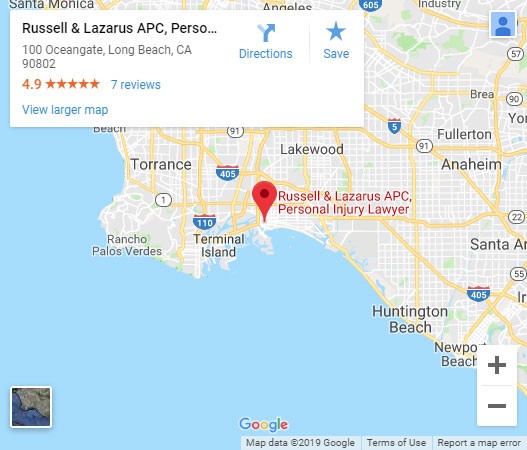
Long Beach has substantial passenger and freight rail activity. The Metro A Line provides light rail service between Long Beach and communities throughout Los Angeles County, while the Port of Long Beach and surrounding industrial corridors generate extensive freight rail activity.
Train and light rail accidents in Long Beach may involve passengers, pedestrians, bicyclists, automobiles, station platforms, freight trains, crossing areas, or public transportation vehicles.
Downtown Long Beach, transit stations, the waterfront, Port-related industrial areas, Long Beach Boulevard, Pacific Avenue, and other rail-adjacent locations can involve significant interaction between trains, vehicles, pedestrians, and bicyclists.
Public transit claims can involve special California government claim requirements, making early investigation particularly important.
Contact the Russell & Lazarus Long Beach office for information about a serious rail-related injury.
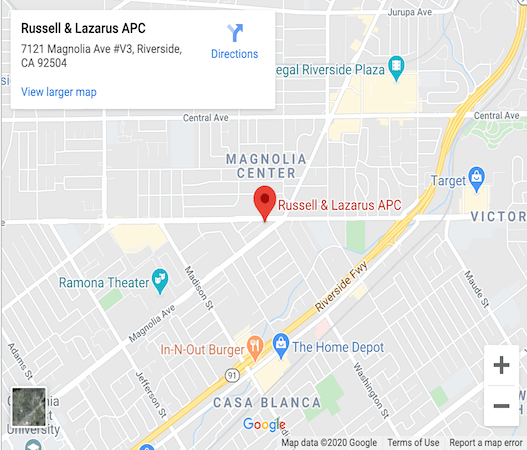
Riverside Train Accident Lawyers
Riverside has significant commuter and freight rail activity throughout the Inland Empire. The Riverside-Downtown Metrolink Station is served by the Riverside Line, Inland Empire-Orange County Line, and 91/Perris Valley Line.
Additional rail activity extends through Riverside County communities including Corona, Moreno Valley, Perris, Jurupa Valley, and surrounding areas.
Riverside train accident claims may involve commuter rail passengers, freight trains, railroad crossings, station accidents, pedestrians, commercial vehicles, track conditions, or defective equipment.
The Inland Empire’s extensive warehouse and logistics industry also creates substantial interaction among freight trains, commercial trucks, and transportation infrastructure.
Learn more through the Russell & Lazarus Riverside office.
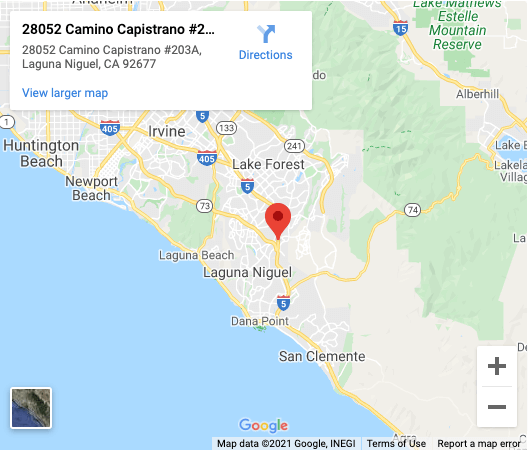
Laguna Niguel Train Accident Lawyers
Russell & Lazarus serves people injured in Laguna Niguel, Dana Point, Laguna Beach, Laguna Hills, Aliso Viejo, San Juan Capistrano, and surrounding South Orange County communities.
The Laguna Niguel/Mission Viejo Metrolink Station at Forbes Road serves the Orange County and Inland Empire-Orange County lines. The regional rail corridor continues through South Orange County toward San Juan Capistrano, San Clemente, and Oceanside.
Train accidents may involve passengers, pedestrians, bicyclists, vehicles at railroad crossings, station conditions, equipment failures, or incidents occurring elsewhere along the rail corridor.
Contact the Russell & Lazarus Laguna Niguel office.
Fullerton Train Accident Lawyers
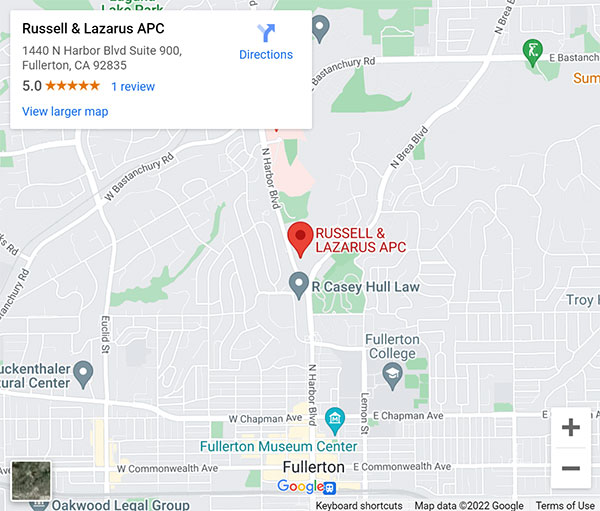
Fullerton is one of Orange County’s major rail transportation locations. The Fullerton Metrolink Station is currently served by the Orange County Line and 91/Perris Valley Line and also provides Amtrak connections.
The Fullerton rail corridor experiences passenger, commuter, and freight activity near Downtown Fullerton and throughout North Orange County.
Train accident claims may involve passengers, pedestrians, bicyclists, vehicles at railroad crossings, station platforms, defective equipment, freight operations, or collisions occurring in Fullerton, Anaheim, Brea, Buena Park, La Habra, Placentia, or nearby communities.
Learn more through the Russell & Lazarus Fullerton office.
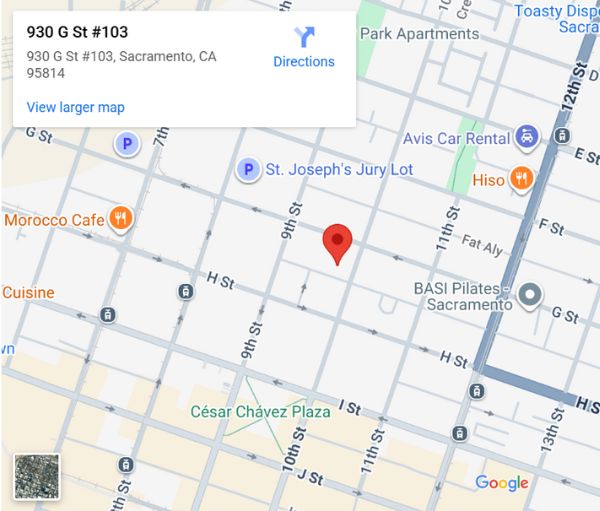
Sacramento Train and Light Rail Accident Lawyers
Sacramento has significant passenger, intercity, light rail, and freight train activity. Sacramento Regional Transit operates light rail throughout the metropolitan area, while intercity passenger and freight trains also operate through Sacramento and surrounding Northern California communities.
Rail accidents may occur at light rail intersections, stations, platforms, pedestrian crossings, railroad grade crossings, passenger trains, or freight corridors.
Because Sacramento light rail is operated by a public transportation district, an injury claim may involve California’s government claim procedures. Determining whether a public agency, private railroad, contractor, vehicle driver, or equipment manufacturer is responsible should be addressed promptly.
For Northern California representation, contact the Russell & Lazarus Sacramento office.
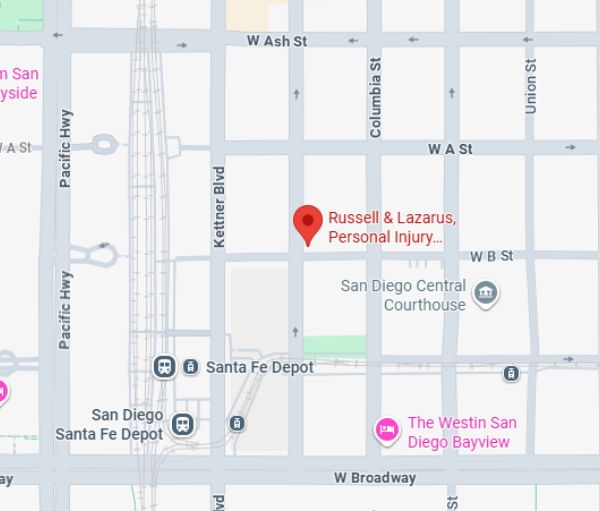
San Diego Train and Trolley Accident Lawyers
San Diego County has an extensive rail network serving residents, commuters, tourists, students, and businesses throughout the region.
North County Transit District’s COASTER currently operates between Oceanside and San Diego, while the SPRINTER connects Oceanside and Escondido. The San Diego Metropolitan Transit System also operates Trolley light rail service connecting Downtown San Diego with communities throughout East County, South Bay, UC San Diego, and the international border area.
Rail corridors and stations serve or pass through communities including San Diego, Oceanside, Carlsbad, Encinitas, Solana Beach, Escondido, La Mesa, El Cajon, Chula Vista, National City, and other San Diego County locations.
A San Diego rail accident may involve the COASTER, SPRINTER, MTS Trolley, Amtrak, freight operations, pedestrians, bicyclists, vehicles, station platforms, crossings, or other rail infrastructure.
Russell & Lazarus serves clients throughout San Diego County, including Carlsbad, Chula Vista, Coronado, Del Mar, El Cajon, Encinitas, Escondido, Imperial Beach, La Mesa, Lemon Grove, National City, Oceanside, Poway, San Diego, San Marcos, Santee, Solana Beach, and Vista.
Learn more through the San Diego Personal Injury Attorneys page or contact the Russell & Lazarus San Diego office.
Why Choose Russell & Lazarus for a Train Accident Claim?
Train accident litigation can require a deeper investigation than many ordinary accident cases. Railroads, public transit agencies, manufacturers, contractors, and insurance companies may each control different pieces of evidence.
Russell & Lazarus prepares personal injury cases by identifying responsible parties, preserving evidence, reviewing insurance coverage, documenting medical and financial losses, consulting qualified professionals when appropriate, and preparing cases with litigation in mind.
A serious train accident case may require extensive investigation into electronic train data, track conditions, crossing signals, employee conduct, equipment maintenance, federal safety requirements, public-entity procedures, and long-term medical damages.
Explore the firm’s Personal Injury Case Results and learn more about How Russell & Lazarus Prepares a Personal Injury Case.
Contact a California Train Accident Lawyer
If you or a family member suffered a serious injury in a train derailment, Metrolink accident, light rail collision, railroad crossing accident, passenger train incident, pedestrian train accident, or another rail-related event, important evidence and legal deadlines may require prompt attention.
Russell & Lazarus APC represents injured clients throughout California from offices in Newport Beach, Mission Viejo, Long Beach, Riverside, Laguna Niguel, Fullerton, Sacramento, and San Diego.
Contact Russell & Lazarus APC or call (877) 789-4878 to request a complimentary consultation about a potential California train accident claim.
FAQs
1. What should I do after a train accident in California?
Seek medical care, report the accident to the appropriate railroad or transportation authority, preserve your ticket or transit record, photograph injuries and the accident area when safely possible, identify witnesses, save relevant communications, and preserve damaged property. Because electronic train data and surveillance recordings may be important, serious accidents should be investigated promptly.
2. Who can be held responsible for a California train accident?
Potentially responsible parties may include a private railroad company, Metrolink or another regional rail operator, a public transit agency, train operator, track owner, maintenance company, crossing-signal contractor, equipment manufacturer, vehicle driver, trucking company, city, county, or another government entity. Responsibility depends on what caused the accident and who controlled the relevant equipment or property.
3. Can I file a claim after a Metrolink accident in Orange County or Riverside County?
Potentially. Metrolink serves numerous communities throughout Orange County and Riverside County, including stations in Fullerton, Anaheim, Orange, Santa Ana, Irvine, Laguna Niguel/Mission Viejo, Riverside, Corona, and other communities. A claim may involve passenger injuries, crossing collisions, pedestrians, station conditions, or another rail-related accident. Because public entities may be involved, special government claim deadlines should be evaluated immediately.
4. Can I sue after being injured on a passenger train?
Potentially. Passenger train claims may involve negligent operation, excessive speed, derailment, unsafe braking, defective equipment, inadequate maintenance, dangerous station conditions, or another safety problem. California Civil Code Section 2100 imposes an utmost-care-and-diligence standard on qualifying carriers of persons for reward, although the specific legal standard depends on the operator and circumstances.
5. Who may be responsible for a railroad crossing accident?
A railroad crossing collision can involve responsibility by a negligent vehicle driver, railroad operator, crossing owner, public agency, warning-system contractor, or another entity. Important issues may include crossing gates, flashing lights, train speed, visibility, traffic conditions, warning devices, roadway design, and whether a vehicle became trapped on the tracks.
6. Does Russell & Lazarus handle train accident claims in Fullerton and North Orange County?
Russell & Lazarus has an office in Fullerton serving Fullerton, Anaheim, Brea, Buena Park, La Habra, Placentia, and surrounding North Orange County communities. Fullerton is an important regional rail location served by Metrolink’s Orange County and 91/Perris Valley lines with Amtrak connections. The firm can evaluate serious passenger, crossing, pedestrian, and other rail-related injury claims arising in North Orange County.
7. Does Russell & Lazarus handle light rail accidents in Long Beach and Sacramento?
Russell & Lazarus serves clients from offices in both Long Beach and Sacramento. Long Beach is served by the Metro A Line, while Sacramento has an extensive Sacramento Regional Transit light rail network. Claims involving public transportation systems can have special government claim procedures and deadlines, so determining the correct transit agency and responsible parties promptly is important.
8. Does Russell & Lazarus handle train and Trolley accidents in San Diego County?
Russell & Lazarus has a San Diego office and represents clients throughout San Diego County. The region includes COASTER commuter rail between Oceanside and San Diego, SPRINTER service between Oceanside and Escondido, MTS Trolley light rail, Amtrak passenger service, and freight rail operations. Potential cases may involve passengers, pedestrians, bicyclists, vehicles, railroad crossings, stations, or defective rail equipment.
9. How long do I have to file a train accident claim in California?
California generally provides a two-year limitations period for many personal injury claims under Code of Civil Procedure Section 335.1. However, when a public transit agency or other California public entity is involved, Government Code Section 911.2 generally requires a qualifying personal injury or death claim to be presented within six months after accrual. Other federal or state deadlines may also apply, so the correct deadline should be determined based on the specific railroad and defendants.
10. Where does Russell & Lazarus represent California train accident victims?
Russell & Lazarus serves injured individuals and families throughout California through offices in Newport Beach, Mission Viejo, Long Beach, Riverside, Laguna Niguel, Fullerton, Sacramento, and San Diego. The firm can evaluate serious train, railroad crossing, commuter rail, light rail, passenger rail, and related accident claims throughout California.



Locations
Phone: (949) 851-0222
Toll-Free: (877) 789-4878
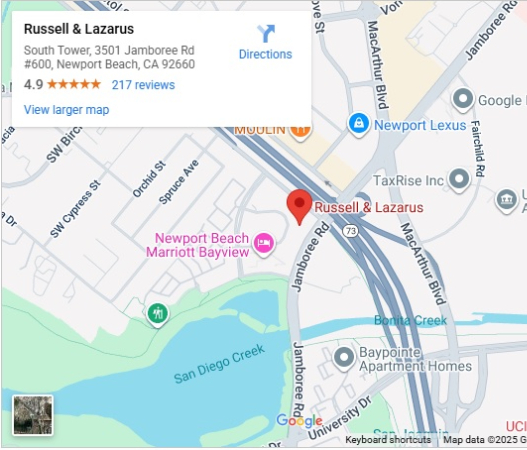
South Tower, 3501 Jamboree Rd #600,
Newport Beach, CA 92660
Phone: (951) 485-4000
Toll-Free: (877) 789-4878
Grandville Executive Suites
7121 Magnolia Ave., #V3
Riverside, CA 92504
Phone: (949) 426-7299
Toll-Free: (877) 789-4878
28052 Camino Capistrano, Suite 203A
Laguna Niguel, CA 92677
Phone: (949) 309-0990
Toll-Free: (877) 789-4878
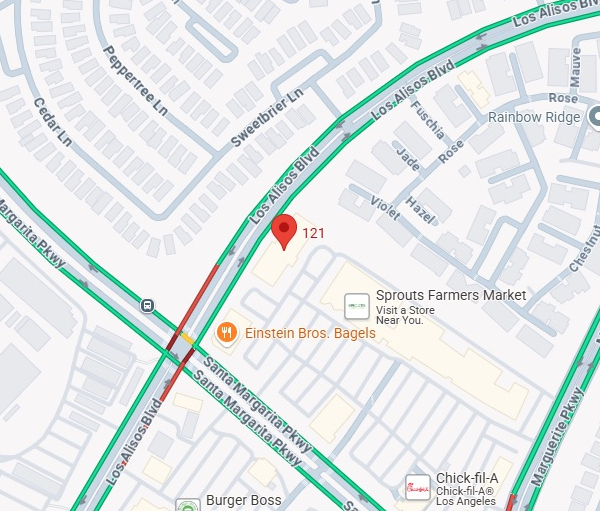
27725 Santa Margarita Parkway, Suite 121 Mission Viejo, CA 92691