Brain Injury Lawsuit FAQs

A brain injury can affect nearly every aspect of a person’s life, including memory, concentration, movement, communication, emotions, ability to work, and independence. Some brain injuries produce temporary symptoms, while more severe injuries can result in permanent physical, cognitive, behavioral, or psychological limitations. Because symptoms are not always immediately obvious, anyone who has suffered a significant blow to the head or other trauma should seek appropriate medical evaluation.

If your brain injury was caused by another person’s negligence, a defective product, an unsafe property condition, a motor vehicle collision, or another preventable incident, you may have the right to pursue compensation. The Newport Beach brain injury attorneys at Russell & Lazarus APC help injured people and their families understand their legal options and pursue claims involving serious and catastrophic injuries.
Our Newport Beach personal injury attorneys represent brain injury victims throughout Newport Beach and Orange County. Serious accidents may occur on local streets and major transportation corridors such as Pacific Coast Highway, Newport Boulevard, MacArthur Boulevard, Jamboree Road, State Route 73, and nearby portions of I-405 and State Route 55. Below are answers to common questions about traumatic brain injuries and brain injury lawsuits in California.
What Is a Brain Injury?
A brain injury occurs when an injury or medical event damages the brain or interferes with normal brain function. Depending on the circumstances, the effects may be temporary or permanent and can involve physical abilities, memory, concentration, speech, behavior, emotions, and other neurological functions.
A traumatic brain injury, commonly called a TBI, results from an external force such as a blow, bump, jolt, rapid acceleration and deceleration, or penetrating injury. A person does not necessarily need to lose consciousness to experience a traumatic brain injury.
Brain injuries can also result from non-traumatic causes, such as oxygen deprivation. Determining the cause of the injury is particularly important in a legal claim because liability depends on how the injury occurred and whether another person or entity was legally responsible.
What Are the Different Types of Brain Injuries?
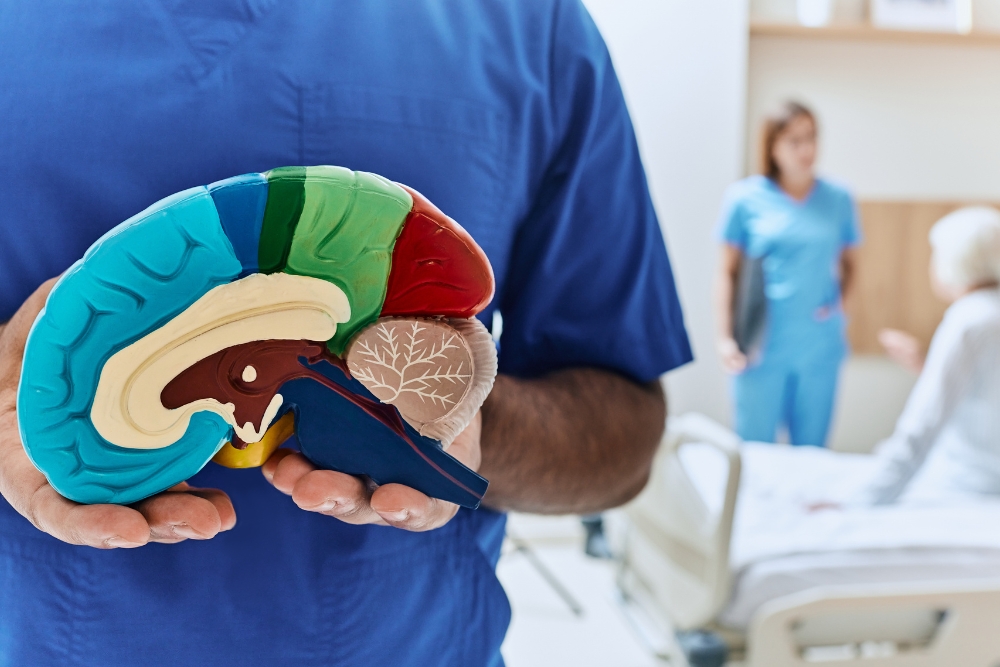
Brain injuries can generally be described as traumatic or non-traumatic acquired brain injuries.
Traumatic Brain Injuries
Traumatic brain injuries are caused by an external force affecting the head or brain. Examples may include:
- Concussion: A mild traumatic brain injury that can affect thinking, memory, balance, mood, sleep, and other neurological functions.
- Brain Contusion: Bruising of brain tissue caused by trauma.
- Intracranial Hematoma: Bleeding or a collection of blood inside the skull that may place pressure on the brain.
- Diffuse Axonal Injury: Damage involving nerve fibers that can occur when the brain rapidly shifts, rotates, or moves inside the skull.
- Coup-Contrecoup Injury: Brain injuries that can occur at the location of an impact and on the opposite side of the brain when the brain moves within the skull.
- Penetrating Brain Injury: An injury in which an object penetrates the skull and damages brain tissue.
Non-Traumatic Acquired Brain Injuries
A non-traumatic acquired brain injury does not result from an external physical impact. One example is a hypoxic or anoxic brain injury caused by inadequate oxygen reaching the brain. Whether a non-traumatic brain injury supports a legal claim depends on why the condition occurred and whether negligence or other wrongful conduct contributed to it.
What Are the Symptoms of a Traumatic Brain Injury?
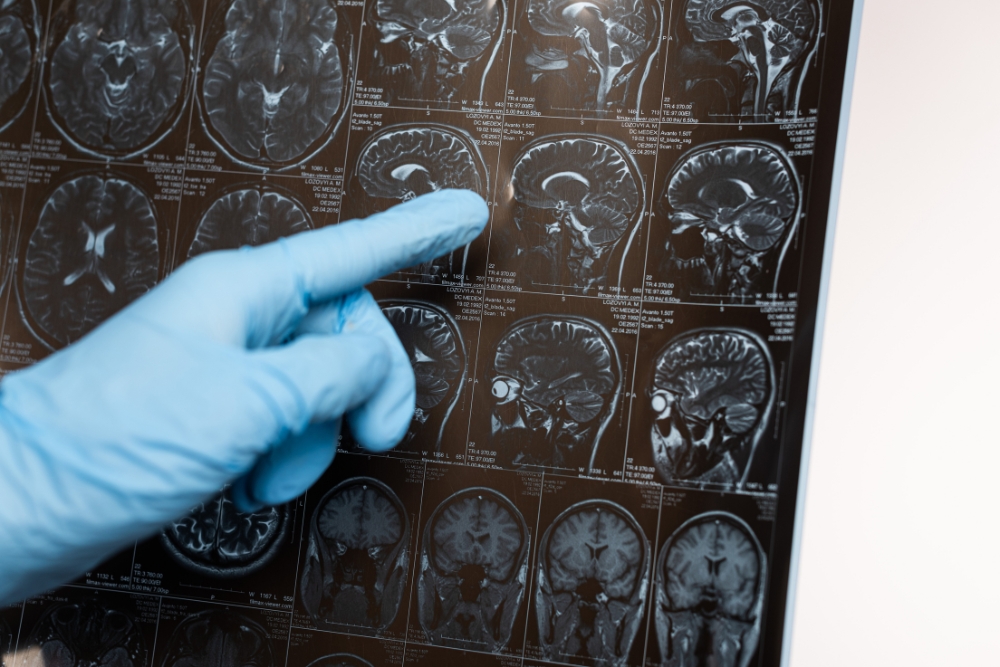
Brain injury symptoms vary significantly depending on the type and severity of the injury. Some symptoms develop immediately, while others may become noticeable hours or days later.
Possible physical symptoms include:
- Headaches;
- Dizziness or balance problems;
- Nausea or vomiting;
- Fatigue or unusual drowsiness;
- Blurred or double vision;
- Sensitivity to light or noise;
- Loss or change in consciousness;
- Weakness or numbness;
- Loss of coordination;
- Seizures; and
- Difficulty waking from sleep.
Cognitive, emotional, and behavioral symptoms may include:
- Confusion or disorientation;
- Difficulty concentrating;
- Memory problems;
- Slowed thinking;
- Difficulty making decisions;
- Irritability;
- Mood or personality changes;
- Anxiety;
- Depression;
- Changes in sleep patterns; and
- Difficulty communicating.
Symptoms involving worsening headaches, repeated vomiting, seizures, increasing confusion, weakness, slurred speech, unequal pupils, significant loss of consciousness, or difficulty waking can indicate a serious medical problem and should receive immediate medical attention.
What Accidents Can Cause a Traumatic Brain Injury?
A traumatic brain injury can result from many types of accidents. In a personal injury case, the legal investigation focuses on both the medical consequences of the brain injury and the conduct that caused the underlying accident.
Common causes of traumatic brain injuries may include:
- Car accidents;
- Motorcycle accidents;
- Truck accidents;
- Pedestrian accidents;
- Bicycle accidents;
- Rideshare accidents;
- Slip and fall accidents;
- Falls from elevated surfaces;
- Construction accidents;
- Boating accidents;
- Aviation accidents;
- Train accidents;
- Defective products; and
- Other incidents involving significant impact or trauma.
In Newport Beach, serious brain injuries may result from collisions and other accidents occurring on Pacific Coast Highway, Newport Boulevard, MacArthur Boulevard, Jamboree Road, State Route 73, local residential streets, commercial areas, and other heavily traveled roads throughout coastal Orange County.
Can I Bring a Brain Injury Claim in Newport Beach?
You may be able to pursue a personal injury claim if another person, company, property owner, manufacturer, or other responsible party caused your brain injury through negligence or other legally actionable conduct.
Potential brain injury claims may arise from:
- Motor Vehicle Accidents: Collisions caused by negligent drivers, commercial vehicle operators, rideshare drivers, or other motorists.
- Premises Liability: Falls or other injuries resulting from dangerous property conditions.
- Product Liability: Brain injuries associated with defective or unreasonably dangerous products.
- Construction Accidents: Falls, falling objects, equipment incidents, or other worksite-related accidents involving third-party negligence.
- Medical Negligence: Certain brain injuries resulting from medical care that allegedly falls below the applicable standard of care.
- Other Negligence Claims: Accidents in which another party’s conduct caused or contributed to the injury.
Each case requires an individual investigation. An experienced Newport Beach brain injury lawyer can determine what type of claim may apply and identify the people, businesses, insurance companies, or other entities that may potentially bear responsibility.
What Compensation May Be Available in a Brain Injury Lawsuit?
A brain injury can create financial losses that continue long after the initial accident. Some victims require hospitalization, neurological treatment, rehabilitation, physical therapy, occupational therapy, speech therapy, psychological care, medication, assistive equipment, or continuing medical supervision.
Depending on the facts of the case, recoverable damages may include:
- Emergency medical expenses;
- Hospitalization and surgery;
- Neurological and specialist treatment;
- Physical, occupational, and speech therapy;
- Rehabilitation expenses;
- Medication and medical equipment;
- Past and future medical expenses;
- Past lost wages;
- Loss of future earning capacity;
- Pain and suffering;
- Emotional distress;
- Loss of enjoyment of life;
- Permanent disability; and
- Other legally recoverable damages.
The compensation available in a brain injury case depends on the severity of the injury, future medical needs, ability to work, degree of permanent impairment, evidence establishing liability, insurance coverage, and other circumstances specific to the case.
Why Are Brain Injury Cases Complex?
Brain injury cases can be challenging because the full effects of the injury may not be immediately apparent. Some people appear physically healthy while experiencing significant problems with memory, concentration, personality, emotional regulation, fatigue, communication, or executive functioning.
Building a brain injury claim may require extensive medical documentation and, depending on the case, input from neurologists, neuropsychologists, rehabilitation professionals, vocational experts, economists, accident reconstruction specialists, or other qualified professionals.
An attorney may also need to gather police reports, photographs, surveillance footage, electronic vehicle information, witness statements, employment records, medical records, and other evidence to establish both liability and the extent of the victim’s damages.
How Long Do I Have to File a Brain Injury Lawsuit in California?
For many California personal injury claims based on negligence, a lawsuit generally must be filed within two years from the date of the injury. However, the applicable deadline can change depending on the type of claim and the parties involved.
For example, a claim involving a California governmental entity can have a much shorter administrative claim deadline, often requiring a claim to be presented within six months. Medical malpractice claims, claims involving minors, delayed discovery of an injury, and other circumstances may also involve different rules.
Because missing an applicable deadline can prevent a person from pursuing compensation, a brain injury victim should have the circumstances reviewed as soon as reasonably possible rather than relying on a general statute of limitations.
Why Hire a Newport Beach Brain Injury Attorney?
A serious brain injury claim requires more than proving that an accident happened. The legal case must connect the negligent conduct to the injury and accurately document how the brain injury has affected the victim’s health, employment, relationships, independence, and future.
A Newport Beach brain injury attorney can investigate the accident, preserve evidence, identify responsible parties, obtain relevant records, communicate with insurance companies, document damages, consult appropriate experts when necessary, negotiate a settlement, and pursue litigation when appropriate.
Russell & Lazarus APC represents people suffering from traumatic brain injuries and other serious injuries in Newport Beach and throughout Orange County, including Costa Mesa, Irvine, Huntington Beach, Laguna Beach, Laguna Hills, Laguna Niguel, Mission Viejo, Santa Ana, Tustin, and surrounding Southern California communities.
FAQs
1. What is considered a traumatic brain injury?
A traumatic brain injury occurs when an external force causes an alteration in brain function or other evidence of brain injury. TBIs can result from car crashes, motorcycle accidents, falls, pedestrian collisions, bicycle accidents, truck accidents, construction incidents, and other trauma. The severity can range from a mild concussion to a permanent and disabling brain injury.
2. Can I have a brain injury without losing consciousness?
Yes. Loss of consciousness is not required for a traumatic brain injury. A person may remain conscious after an accident but later experience headaches, dizziness, memory problems, difficulty concentrating, changes in mood, fatigue, sleep disturbances, or other symptoms. Medical evaluation is important following significant head trauma.
3. What are common signs of a brain injury after a Newport Beach car accident?
Symptoms may include headaches, dizziness, nausea, confusion, memory problems, difficulty concentrating, blurred vision, sensitivity to light or sound, changes in sleep, irritability, fatigue, balance problems, or loss of consciousness. More serious neurological symptoms may require immediate medical attention.
4. Can a concussion support a personal injury claim?
Yes. A concussion is a form of traumatic brain injury. If another person’s negligence caused the accident and concussion, the injured person may be able to pursue compensation for medical expenses, lost income, pain and suffering, and other legally recoverable damages. The value of the claim depends on the symptoms, duration of recovery, medical evidence, and other circumstances.
5. What if my brain injury symptoms appeared days after the accident?
Some brain injury symptoms may not become obvious immediately. If symptoms develop after an accident, seek medical evaluation and explain when and how the injury occurred. Medical records documenting the development and progression of symptoms may become important when establishing the connection between the accident and the injury.
6. How much is a Newport Beach brain injury case worth?
There is no standard settlement amount for a brain injury case. The potential value depends on factors including the severity and permanence of the injury, medical expenses, future treatment, lost income, loss of earning capacity, pain and suffering, effect on daily life, available insurance coverage, and strength of the evidence establishing liability.
7. What evidence is important in a traumatic brain injury lawsuit?
Evidence may include medical records, diagnostic testing, accident reports, photographs, video footage, witness statements, employment records, expert evaluations, documentation of cognitive or behavioral changes, and evidence showing how the injury has affected the person’s daily activities and ability to work.
8. Can family members help document the effects of a brain injury?
Yes. Family members, friends, coworkers, and others who knew the injured person before and after the accident may be able to describe changes in memory, behavior, personality, concentration, communication, independence, work performance, or daily functioning. This information may help demonstrate how the injury has affected the person’s life.
9. How long do I have to file a brain injury claim in Newport Beach?
Many California personal injury lawsuits based on negligence generally have a two-year statute of limitations, but important exceptions apply. Claims involving public entities may require an administrative claim within approximately six months, and other types of cases can have different deadlines. An attorney should evaluate the specific deadline that applies to your circumstances.
10. Where can I find a brain injury lawyer in Newport Beach, California?
Russell & Lazarus APC represents traumatic brain injury victims from its Newport Beach office and serves clients throughout Orange County. If you or a family member suffered a serious brain injury because of another person’s negligence, contact the Newport Beach office to discuss your circumstances and legal options with an experienced personal injury attorney.
Speak With a Newport Beach Brain Injury Lawyer
Brain injuries can affect a person’s health, career, relationships, independence, and quality of life for years after an accident. When another party may be responsible, beginning an investigation early can help preserve evidence and establish how the accident and injury occurred.
If you or a loved one suffered a traumatic brain injury because of an accident or another party’s negligence, contact Russell & Lazarus APC’s Newport Beach office to discuss your circumstances and available legal options with an experienced Newport Beach brain injury attorney.
This information is provided for general informational purposes only and does not constitute legal or medical advice; filing deadlines, liability, damages, and available legal options depend on the specific facts and circumstances of each case.



Locations
Phone: (949) 851-0222
Toll-Free: (877) 789-4878
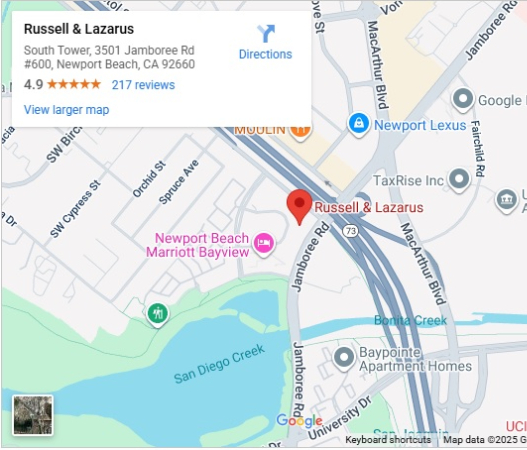
South Tower, 3501 Jamboree Rd #600,
Newport Beach, CA 92660
Phone: (951) 485-4000
Toll-Free: (877) 789-4878
Grandville Executive Suites
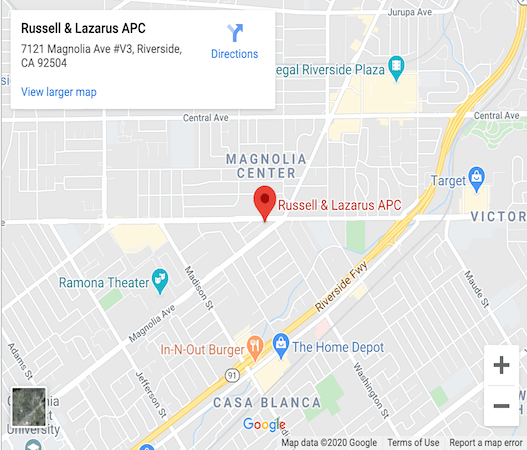
7121 Magnolia Ave., #V3
Riverside, CA 92504
Phone: (949) 426-7299
Toll-Free: (877) 789-4878
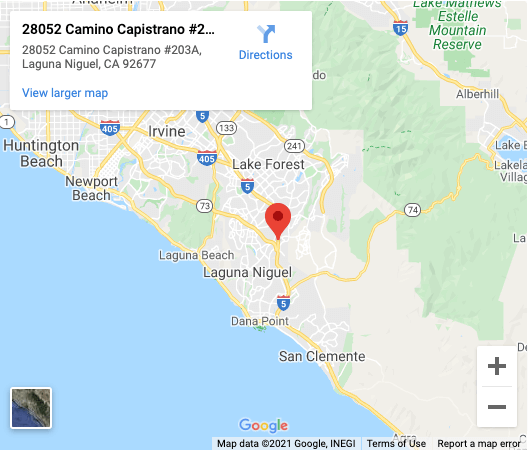
28052 Camino Capistrano, Suite 203A
Laguna Niguel, CA 92677
Phone: (949) 309-0990
Toll-Free: (877) 789-4878
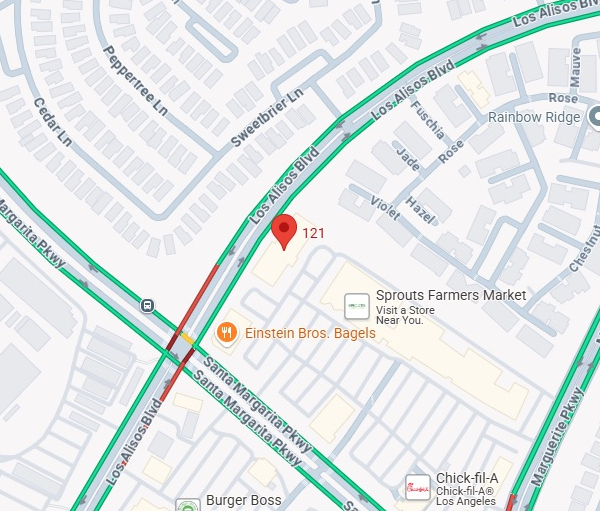
27725 Santa Margarita Parkway, Suite 121 Mission Viejo, CA 92691