
10 Jury Issues in California Car Accident Cases
When a California car accident case goes to a jury trial, jurors may need to decide who caused the collision, whether the collision caused the injuries, and how much compensation the evidence supports. Questions about personal responsibility, medical treatment, witness credibility, and injury severity can also influence how jurors evaluate the case.
During jury selection, attorneys and the judge examine prospective jurors to identify potential bias and determine whether they can decide the case fairly. The following ten issues help explain what matters in a California auto accident trial, whether the collision happened in Orange County, Los Angeles County, Riverside County, San Diego County, or Sacramento.
How does jury selection work in a California car accident trial?
The process is called voir dire. Under California Code of Civil Procedure section 222.5, the judge conducts an initial examination, and counsel may question prospective jurors within reasonable limits. Attorneys may ask about experiences and attitudes relevant to impartiality. The court regulates the questioning and challenges to prospective jurors. California’s 2026 Standard of Judicial Administration 3.25 provides guidance for civil jury selection, including oral questions and written questionnaires.
California’s Judicial Council publishes civil jury instructions known as CACI. The judge selects the instructions appropriate to the claims and evidence in the particular trial. See the 2026 civil jury instructions and July 2026 supplement.
1. Who caused the car accident?
Jurors may examine whether a driver used reasonable care under the circumstances. Evidence of speed, visibility, following distance, distracted driving, and traffic signals can help them understand the sequence of events. In a negligence claim, the injured party generally must establish negligent conduct, harm, and a causal connection between the two.
Inspection photographs, witness accounts, video, and testimony from qualified experts can help clarify disputed facts.
2. Was the injured person partially at fault?
California generally follows pure comparative fault. A person may recover damages even if their own negligence contributed to their injuries, with compensation reduced according to their share of responsibility. For example, an award of $100,000 reduced for 20% comparative fault would be $80,000 before other applicable adjustments. CACI No. 405 addresses this issue.
3. Did the collision cause the reported injuries?
Jurors consider medical evidence, the timing of symptoms, the mechanics of the collision, and other potential causes. A defendant’s negligence must be a substantial factor in producing the harm. The conduct can be one of multiple contributing causes. Medical professionals and accident reconstruction experts may provide admissible testimony to clarify disputed causation questions.
4. How should preexisting medical conditions be considered?
A person with an earlier injury or medical condition may recover for a worsening of that condition attributable to the accident. CACI No. 3927 addresses aggravation of preexisting conditions. Medical history, changes in symptoms, and the injured person’s abilities before and after the crash can help distinguish the accident-related harm.
5. Does the extent of vehicle damage establish the severity of an injury?
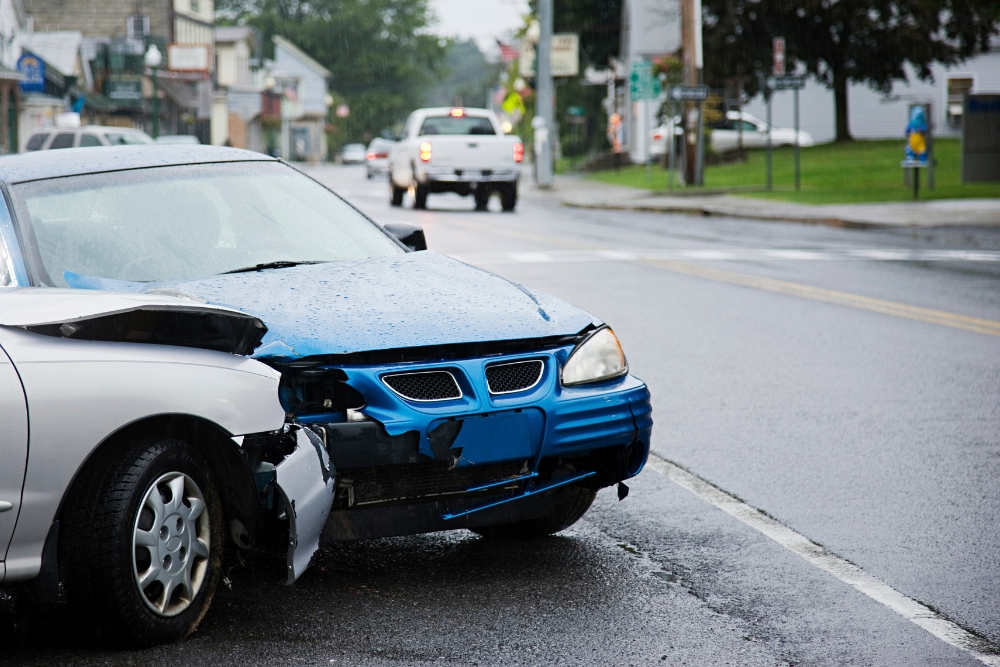
Property damage is one piece of evidence that may help explain a collision. Jurors also consider other admitted evidence, including medical findings and appropriate expert testimony. The cost of repairs alone cannot reliably establish the extent of an individual’s injuries.
6. Are medical treatment and future care expenses supported?
California permits recovery of reasonable costs for necessary medical care attributable to an injury, including future care reasonably certain to be needed. CACI No. 3903A addresses these expenses. Medical records, testimony, and evidence supporting the reasonable value of care can help the jury evaluate the claim. The amount billed alone may not establish the recoverable amount.
7. How do jurors evaluate lost income and earning capacity?
Past income loss concerns earnings missed because of the injury. Reduced earning capacity concerns the injury’s effect on a person’s ability to earn in the future. Employment records, tax documents, medical restrictions, and expert analysis can help explain these losses when relevant.
8. How are pain and suffering valued?
California jurors may award noneconomic damages for physical pain, mental suffering, disfigurement, and other proven personal consequences of an injury. CACI No. 3905A recognizes that there is no fixed formula for calculating these damages. Evidence about sleep, mobility, family responsibilities, and activities the person can no longer perform may help explain the impact.
9. Did the injured person take reasonable steps to limit further harm?
California law generally expects injured people to take reasonable steps to avoid additional losses. If the defense establishes that reasonable actions could have prevented particular damages, those losses may be excluded. Under CACI No. 3930, the defendant bears the burden of establishing a failure to mitigate and the amount that could reasonably have been avoided—the circumstances of the injured person’s recovery matter.
10. How credible are the witnesses and other evidence?
Jurors evaluate whether testimony is consistent, whether witnesses had an opportunity to observe what happened, and whether other admitted evidence supports their accounts. Jurors assess whether the evidence supports the witnesses’ accounts. Medical opinions may also differ, and jurors assess their reasoning, qualifications, and factual support. Jurors should decide the case according to the evidence and the judge’s instructions, without prejudice or speculation.
Preparing for a California car accident trial
Keep original photographs, dashcam footage, medical records, employment documents, and insurance correspondence. Inform your attorney about earlier injuries and facts that may affect the case. Review our guides on steps to take after a car accident and how to help your personal injury attorney.
Speak with a California car accident attorney.
Russell & Lazarus APC helps injured people evaluate accident claims, investigate liability, document damages, and prepare for litigation when necessary. Our eight California offices are in Fullerton, Laguna Niguel, Long Beach, Mission Viejo, Newport Beach, Riverside, Sacramento, and San Diego. Call (877) 789-4878 or request a free case review to discuss your circumstances.
FAQs
1. Does every California auto accident claim go to a jury trial?
No. Parties may resolve a dispute through settlement or another agreed process. Cases that proceed to a jury trial are decided under the court’s instructions.
2. What standard of proof applies in a typical civil car accident case?
The party bearing the burden generally must show that the required fact is more likely true than untrue. This is commonly called the preponderance of the evidence standard.
3. Can a lawyer ask potential jurors about prior car accidents?
Relevant experiences may be discussed during voir dire, subject to the judge’s supervision, to determine whether a person can evaluate the case objectively.
4. Does a police report automatically determine fault?
No. Fault is determined using the applicable law and evidence admitted at trial. Whether particular portions of a police report are admissible depends on court rulings and evidentiary rules.
5. Can jurors consider the defendant’s auto insurance?
Generally, liability insurance is excluded as proof of negligence or wrongdoing. Limited exceptions may apply for other purposes, subject to the judge’s ruling. See California Evidence Code section 1155 and CACI No. 105.
6. Can not wearing a seat belt affect compensation?
It may affect recoverable damages if the defense establishes the required facts, including a causal connection between the failure to wear an available seat belt and the injuries or their severity. CACI No. 712 addresses this defense.
7. What happens if the two sides’ medical experts disagree?
Jurors assess the admitted expert opinions and the facts supporting them. The judge provides instructions explaining how to evaluate expert testimony.
8. Can social media posts be used in a car accident trial?
Relevant posts may be admitted if they meet the evidentiary requirements. Preserve potentially relevant material and consult your attorney about how it relates to the case.
9. How long do I have to file a California car accident lawsuit?
Most personal injury lawsuits have a two-year filing period from the injury. Government injury claims generally must be filed within six months, and exceptions apply. See our California statute of limitations guide.
10. Can I speak to an attorney before receiving a settlement offer?
Yes. An attorney can review deadlines, available evidence, potential responsibility, insurance coverage, and the information needed to evaluate damages while your claim is pending.
This article provides general information about California law as of November 10, 2026. Legal outcomes depend on the facts and evidence of each case.