
11 Steps to Take After a Car Accident in Riverside, California
After a car accident in Riverside, California, your priorities are safety, medical attention, and completing the required reporting and information exchange. Once you leave the scene, the next several days are important for preserving crash evidence, obtaining medical care, and understanding your insurance coverage.
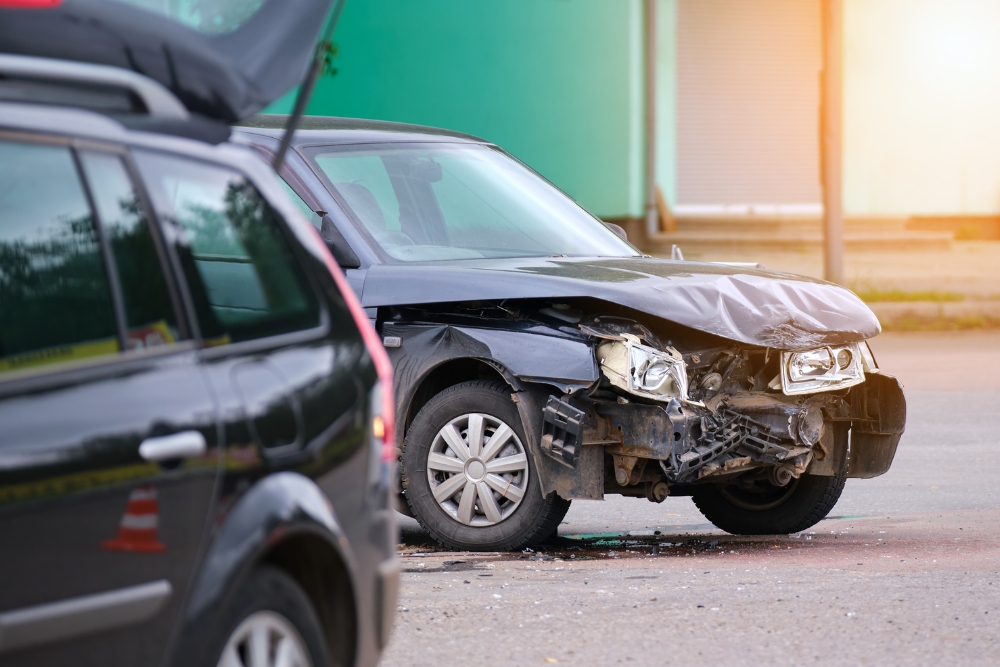
Whether the collision occurred on State Route 91, Interstate 215, Magnolia Avenue, or a residential street, knowing what to do after a Riverside car accident can help you avoid missed deadlines and build a clear record of your injuries. The following 11 steps move from the immediate aftermath of a collision to the early stages of an injury claim.
1. Make safety your priority at the crash scene
Stop safely, check for injuries, and call 911 when someone is hurt or there is an immediate danger. Follow emergency personnel’s instructions and provide reasonable assistance as required by California law. If nobody is injured and your vehicle can be moved safely, move it out of the traffic lane while remaining nearby to fulfill your reporting and information-exchange responsibilities.
Exchange required identification, vehicle registration, ownership, and insurance information. Give truthful factual information to investigating officers without guessing about events you did not observe. For a more detailed explanation of collision-scene duties, read our California car accident scene checklist.
2. Create a record of the location and collision
Before leaving, if it is safe, record the street name, nearest intersection or freeway exit, direction of travel, vehicle positions, traffic signals, road conditions, and visible damage. A precise location helps identify the investigating agency and potential sources of video evidence.
Write down what you personally remember about the collision. If it was a multi-vehicle crash, distinguish what you saw from what another driver or witness told you. Keep the original photos, videos, and notes.
3. Identify the agency that investigated your Riverside accident
The appropriate agency depends on where the collision took place and who responded. If the Riverside Police Department investigated the crash, eligible parties can request a copy using its traffic collision report request page.
For a crash investigated by the California Highway Patrol, use the CHP crash report request service. Keep the incident number, date, location, and name of the investigating agency together.
A collision report is useful evidence, but it does not necessarily resolve every dispute about responsibility. Review the report for factual errors and share any concerns with your attorney.
4. Arrange appropriate medical care and follow-up
Some injuries become apparent after the immediate stress of an accident has passed. Seek medical evaluation if you are injured or experience new symptoms, and tell your healthcare provider about the collision.
Head injuries deserve particular attention. The Centers for Disease Control and Prevention explains that concussion symptoms can emerge later and that danger signs require immediate emergency medical care. Seek emergency help for symptoms such as a worsening persistent headache, repeated vomiting, seizures, or loss of consciousness.
Keep discharge instructions, referral information, scheduled appointments, work restrictions, and medical bills in one place. Follow your provider’s recommendations and report changes in your symptoms.
5. Preserve time-sensitive evidence
Dashcam footage may be overwritten as a vehicle continues recording. Save the original recording and a backup as soon as you can. Identify nearby businesses, residences, or other vehicles that may have captured the collision and share those leads with your attorney promptly.
Keep damaged personal belongings that may be relevant to the injury claim. Before disposing of a damaged vehicle or authorizing major repairs, coordinate any necessary inspections and evidence preservation with your insurer and attorney. This is especially important when the cause of the collision is disputed, or a mechanical defect is suspected.
6. Complete California’s separate accident reporting requirements
Under California Vehicle Code section 20008, drivers of vehicles other than common carriers involved in crashes causing injury or death generally must make or arrange for a written report to CHP or, for a crash within a city, CHP or the city’s police department within 24 hours.
Separately, California requires a DMV Form SR-1 within 10 days when anyone is injured or killed, or damage to the property of any one person exceeds $1,000. The requirement applies regardless of fault. Confirm that your insurance representative or another authorized person is submitting it if you are relying on them.
| Report | General timing |
|---|---|
| Law enforcement report for an injury or fatal crash | Within 24 hours, subject to applicable exceptions. |
| DMV SR-1 for a qualifying crash | Within 10 days. |
| Insurance notification | Promptly, according to applicable policy requirements. |
File through the California DMV accident reporting page. A police report does not replace Form SR-1.
7. Open an insurance claim and organize your communications
Notify your own insurer promptly, provide accurate information, and ask what your policy requires. Save your claim number, adjuster’s contact details, date of notification, and any requests for documents. Record which insurer is handling vehicle damage and which is evaluating injury claims.
When the other driver’s adjuster contacts you, distinguish between providing basic factual information and agreeing to an extensive recorded interview, broad medical release, or settlement. Consider discussing these requests with an attorney before signing anything. Continue complying with applicable duties to your own insurer.
8. Manage towing, storage, repairs, and transportation
Find out where your vehicle was taken and whether storage fees are accumulating. Ask the insurer how to arrange inspection and whether your policy includes collision coverage, towing assistance, or rental reimbursement. Coverage varies with the policy and circumstances.
Save written repair estimates, invoices, photographs, and receipts for alternate transportation. California’s Department of Insurance consumer accident guide explains the claims process and policyholder rights.
9. Separate vehicle damage from the injury claim
A vehicle repair estimate does not measure the severity of someone’s injuries. Maintain distinct records for property damage and bodily injury. Medical expenses, missed earnings, future treatment, and other injury-related losses may need separate evaluation.
Before accepting a payment or signing a release, confirm in writing whether it resolves only your vehicle damage or also settles injury claims. An early release may prevent you from seeking further compensation for covered losses even if additional treatment becomes necessary.
10. Review available insurance coverage and legal deadlines
Ask about liability coverage, uninsured and underinsured motorist coverage, and medical payments coverage, where applicable. The California Department of Insurance auto insurance guide explains the differences between these coverages. Policy terms, exclusions, endorsements, and applicable law determine what is available.
California generally allows two years from the injury to file an ordinary car accident injury lawsuit. If a state or local public entity may be responsible, an administrative injury claim is generally due within six months of accrual. Exceptions and separate insurance requirements can apply. See the California Courts guides to lawsuit filing deadlines and government claims.
11. Review your case before agreeing to a final settlement
As treatment progresses, organize information about missed work, medical recommendations, out-of-pocket costs, and changes in your daily activities. Ask an attorney how disputed fault, available coverage, future care, case costs, and any applicable reimbursement obligations could affect a proposed settlement.
You do not need to wait until treatment ends to request legal advice. Early review may identify evidence that needs preservation or deadlines that could expire while you are recovering.
Speak With a Riverside Car Accident Lawyer
Russell & Lazarus APC can help you assess liability, investigate the circumstances of your collision, and understand your options after an injury accident. Our Riverside office serves injured people in Riverside and surrounding communities.
Our seven additional California offices are in Fullerton, Laguna Niguel, Long Beach, Mission Viejo, Newport Beach, Sacramento, and San Diego.
Call (877) 789-4878 or request a free case review to discuss your next steps.
FAQs
1. How can I obtain a Riverside Police Department crash report?
Eligible parties can request a report through the department’s official crash report service. Have your incident number, collision date, location, and identifying information available.
2. What if my crash happened on the 91 Freeway?
Identify the responding agency, which may be CHP, and request its report. The location on a freeway does not change the general California DMV reporting requirements.
3. Should I file the DMV SR-1 before receiving my police report?
Do not delay a required DMV filing solely because the police report is unavailable. A qualifying collision generally must be reported tothe DMV within 10 days. Ask DMV or an authorized representative how to complete the filing with the information available.
4. Can I pursue an injury claim if I did not go to the emergency room?
Potentially. The medical evidence, timing of symptoms, and connection between the collision and injury matter. Seek appropriate care if symptoms develop and explain the circumstances accurately.
5. Does the other driver’s insurance have to pay for my rental car immediately?
Not necessarily. Responsibility and coverage may need to be evaluated first. Your own rental reimbursement coverage may assist if the policy applies.
6. What if my car has been declared a total loss?
Ask for the insurer’s valuation and explanation of the settlement calculation. Review the paperwork carefully to determine whether accepting the payment affects any injury claims.
7. What if an insurance adjuster requests my entire medical history?
Ask which records the adjuster is seeking and why. An attorney can help assess the scope of a proposed authorization and identify relevant records without unnecessarily releasing unrelated information.
8. Can photographs help if the other driver disputes the facts?
Yes. Original photographs can help explain vehicle damage, lane markings, traffic controls, and road conditions. Witnesses and recordings may provide additional context.
9. Does opening an insurance claim pause the California lawsuit deadline?
Generally, no. Insurance negotiations and filing a lawsuit are separate processes. A lawyer can confirm the applicable deadline and any exceptions.
10. Can I contact a Riverside accident attorney if I live elsewhere in California?
Yes. You can discuss the collision with an attorney even if you live in another city. The accident location, parties, and applicable laws help determine the appropriate procedure and venue.
This article provides general information about California law as of November 10, 2026. Individual legal deadlines, reporting obligations, and insurance coverage depend on the facts and applicable policy terms.