
Does Your Mind Wander While You Drive? Distracted Driving in California
Distracted driving in California is usually associated with texting or talking on a phone, but one of the most common distractions happens entirely inside the driver’s head. When a driver’s mind wanders, their eyes may be on the road and their hands on the wheel, yet their attention is somewhere else. That lapse can be long enough to miss a braking car, a red light, or a pedestrian in a crosswalk.
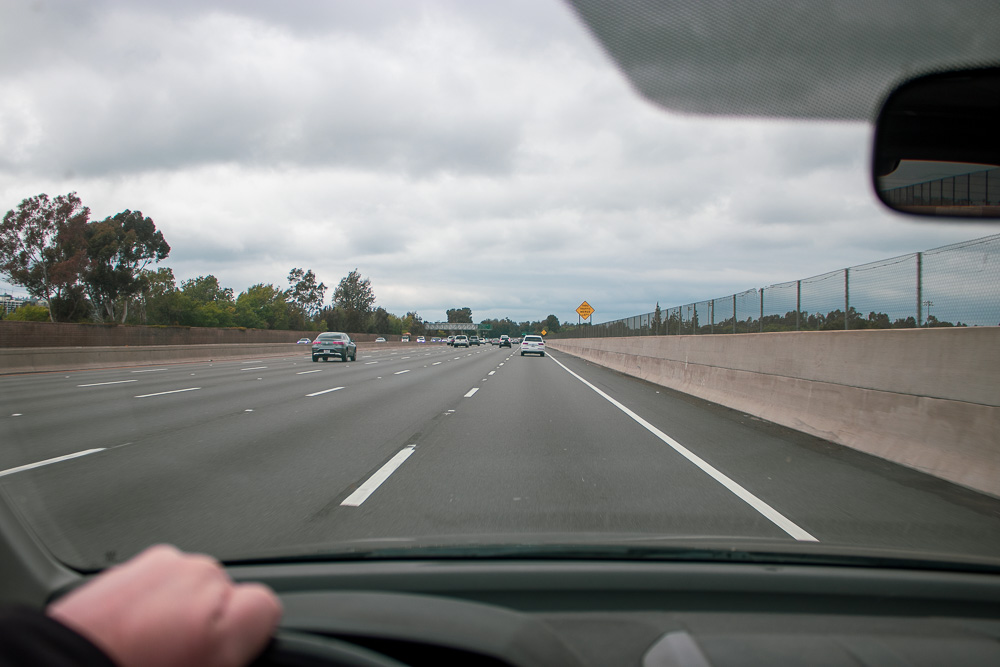
What the daydreaming and driving study found
A new study, published in the journal BMJ and conducted by French researchers, has found that mind-wandering and daydreaming can affect up to half of all traffic accidents—and that the more your mind wanders away from the task of driving, the more likely you are to be injured in a car accident.
The study interviewed 1,000 adult drivers who were injured in accidents and were taken to the hospital for treatment between 2010 and 2011. Researchers found through interviews that about 47 percent of the drivers were responsible for the accident, and that 52 percent of the drivers admitted their mind had drifted from the road before the crash. Seventeen percent of drivers who were at fault reported being very distracted by thoughts while driving, while only nine percent of those who were not at fault for their accidents said they were very distracted.
Traffic safety advocates in the United States said that the study is interesting, but it is no surprise. Distracted driving takes on number of forms, from texting behind the wheel, to changing the radio station, to grooming while driving. The special danger of distracted driving related to wandering minds and day dreaming is that there is no way to cite drivers who aren’t focused on the road—and there’s no good way to determine when someone is distracted by his or her thoughts.
This guide explains the different kinds of driver distraction, what California law says about phone use behind the wheel, and how distraction is proven when it causes a crash in Newport Beach, Orange County, or anywhere in California.
What are the three types of distracted driving?
Safety researchers and the National Highway Traffic Safety Administration generally describe three categories of distraction.
| Type | What it means | Examples |
|---|---|---|
| Visual | Taking your eyes off the road | Looking at a phone, a navigation screen, or something outside the vehicle |
| Manual | Taking your hands off the wheel | Eating, adjusting controls, or reaching for an object |
| Cognitive | Taking your mind off driving | Daydreaming, worrying, intense conversations, or driving while fatigued |
Texting is especially dangerous because it combines all three. Daydreaming is purely cognitive, which makes it hard for drivers to recognize in themselves.
Can daydreaming really cause car accidents?
Yes. A study published in the BMJ in 2012 by French researchers interviewed drivers injured in crashes and found that intense mind wandering was associated with a higher likelihood of being responsible for the crash. Many drivers have had the experience of arriving at a destination with little memory of the drive. That kind of autopilot driving slows reaction time and makes it easier to miss hazards.
Common triggers include stress, fatigue, long familiar commutes, and monotonous freeway driving on routes like the I-405 or SR-73.
What does California law say about phones and driving?
California prohibits drivers from holding and operating a handheld phone or electronic device while driving under Vehicle Code section 23123.5. Drivers may use a device only in a hands-free, voice-operated mode, or mounted in an approved location and activated with a single swipe or tap. In People v. Porter (2025), a California appellate court held that holding a phone while driving and looking at a map application on its screen violates the statute. Drivers under 18 may not use a phone at all while driving, even hands free.
A second violation within 36 months can also add a point to a driver’s record. In a civil injury case, evidence that a driver was using a phone at the time of a crash can be strong proof of negligence.
How is distracted driving proven after a crash?
Phone use can sometimes be shown through phone records, app data, or witness observations. Cognitive distraction is harder to prove directly, but the evidence often tells the story.
- No braking or skid marks before a rear-end collision
- A driver drifting across lanes or missing a red light
- Statements at the scene such as “I didn’t see them” or “I don’t know what happened”
- Dashcam, traffic camera, or business surveillance video
- Vehicle event data showing speed and braking before impact
Under California law, a driver who fails to keep a proper lookout is negligent regardless of whether the cause was a phone, a passenger, or simply not paying attention.
What can injured people recover after a distracted driving crash?
Injured drivers, passengers, cyclists, and pedestrians may seek compensation for medical care, lost income, vehicle damage, and pain and suffering. California’s pure comparative fault rules apply if more than one person contributed to the crash. Most car accident lawsuits must be filed within two years, and our California car accident guide explains the steps to take after a collision.
How can you avoid distracted driving?
- Put your phone on do not disturb while driving or keep it out of reach.
- Set navigation and music before you start moving.
- Take breaks on long drives and do not drive drowsy.
- Pull over safely if you need to make a call, eat, or deal with a stressful situation.
- Actively scan mirrors and intersections to keep your attention on the road.
Talk With a Newport Beach Car Accident Attorney
Russell & Lazarus APC represents people injured by distracted drivers throughout Orange County and California. We work to obtain phone records, video, and vehicle data that show what really happened.
Our California offices serve clients in Fullerton, Laguna Niguel, Long Beach, Mission Viejo, Newport Beach, Riverside, Sacramento, and San Diego.
Call (877) 789-4878 or request a free case review.
FAQs
1. Is daydreaming considered distracted driving?
Yes. Daydreaming is a form of cognitive distraction because the driver’s attention is not on the road, even if their eyes and hands are where they should be.
2. Is it legal to hold my phone while using GPS in California?
No. California law prohibits holding and operating a phone while driving. A phone used for navigation should be mounted and operated with a single tap or swipe or by voice.
3. How can I prove the other driver was on their phone?
Phone records, app data, witness statements, and video can help. An attorney can request this evidence through the legal process.
4. Can I still recover if the other driver was not on a phone but simply not paying attention?
Yes. Every driver has a duty to keep a proper lookout. Failing to notice traffic or hazards is negligence regardless of the reason.
5. Can teen drivers use hands-free phones in California?
No. Drivers under 18 are prohibited from using a wireless phone while driving, even in hands-free mode.
6. How long do I have to file a claim after a distracted driving crash?
Most personal injury lawsuits in California must be filed within two years of the crash.
This article provides general information about California law as of November 2, 2026. Liability, insurance coverage, and deadlines depend on the facts of each case.